Flatfoot Treatment in Turkey in 2026 - Kanalar Health Tourism
Flatfoot treatment helps reduce pain, improve balance, and correct the structure of the foot using modern approaches.
Basic information about flatfoot treatment:
Procedure Time: 1–3 hours
Time to Return to Normal Life: 4–12 weeks
Hospital Stay Duration: Outpatient
Full Recovery Time: 3-6 Months
Mobility Time: 7-14 Days
Expected Results: Restored Arch
What is flatfoot?
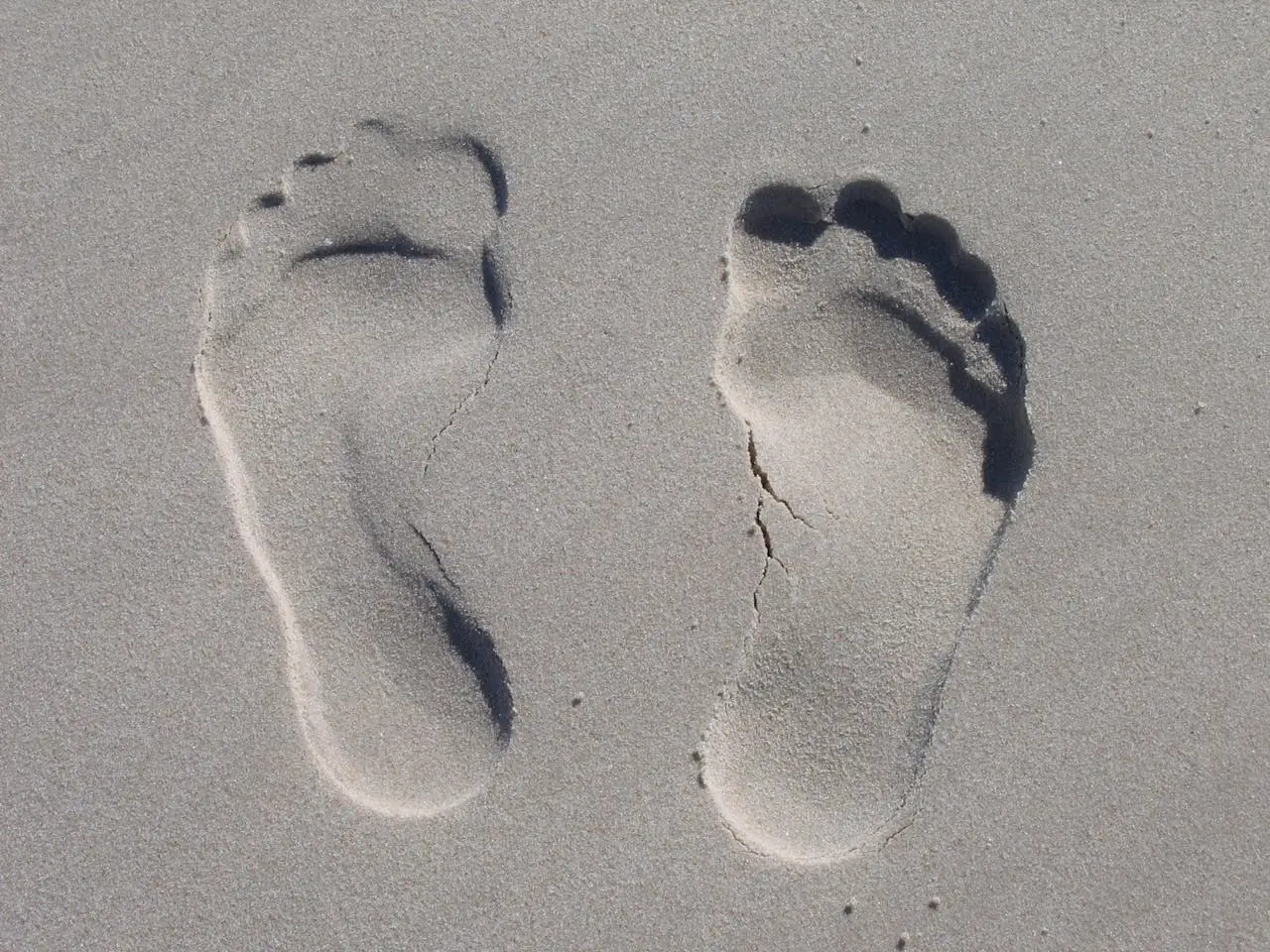
Flat feet is a condition in which the natural arch of the foot is lowered or completely absent. In a healthy foot, this arch helps distribute weight evenly while walking and running, while also acting as a shock absorber. In cases of flat feet, this natural mechanism is weakened, and the sole of the foot comes into contact with the ground over a wider surface area. This condition may be asymptomatic in some people, while in others, it can lead to pain, fatigue, and postural issues over time. Flat feet can be congenital or acquired. In children, it is often considered normal until the foot has fully developed. In adults, however, a newly developed or progressive flat foot may indicate an underlying problem. Since the foot supports the entire body’s weight, any alteration in its structure can affect not only the foot but also the knees, hips, and spine.
What causes flat feet?
Flat feet can have various causes and do not develop in the same way in all individuals. Congenital factors, ligament laxity, and genetic predisposition are among the most common causes. In some people, the muscles and ligaments of the foot do not develop sufficiently, leading to a collapse of the arch. In children, this condition may be temporary, but it can become permanent in some individuals. With age, other factors may come into play, such as weakened tendons, being overweight, occupations requiring prolonged standing, wearing ill-fitting shoes, or a history of ankle trauma. Posterior tibial tendon dysfunction is one of the major causes of acquired flatfoot in adults. Thus, flatfoot should not be viewed solely as a cosmetic issue, but as a functional condition requiring evaluation.
Price of Flat Foot Treatment
The price of flat foot treatment in Turkey with Kanalar Health Tourism depends on the therapeutic approach adopted, whether conservative or surgical, as well as the complexity of the correction required. Prices generally range from 9.000 EURO to 13.000 EURO, including examinations, treatment, accommodation, transfers, and medical follow-up. The Kanalar Health Tourism team remains available to provide you with a precise estimate.
Reach Out to Us
GET ADVICE NOW
Treatment methods for flatfoot
There is no single treatment for flat feet, and management depends on the patient’s age, symptoms, and the degree of deformity. Not all cases require treatment, but if pain or functional problems are present, intervention is necessary. The main treatment options are: Orthotic insoles: support the arch of the foot and improve weight distribution. Physical therapy and exercises: strengthen the foot muscles and improve stability. Choosing appropriate footwear: shoes with good support are essential. Weight management: reduces pressure on the foot. Pain management: medication if necessary. Advanced options: considered when conservative treatments are insufficient. The goal is to relieve symptoms, support the foot’s structure, and prevent the condition from progressing.
Flat feet in children and adults
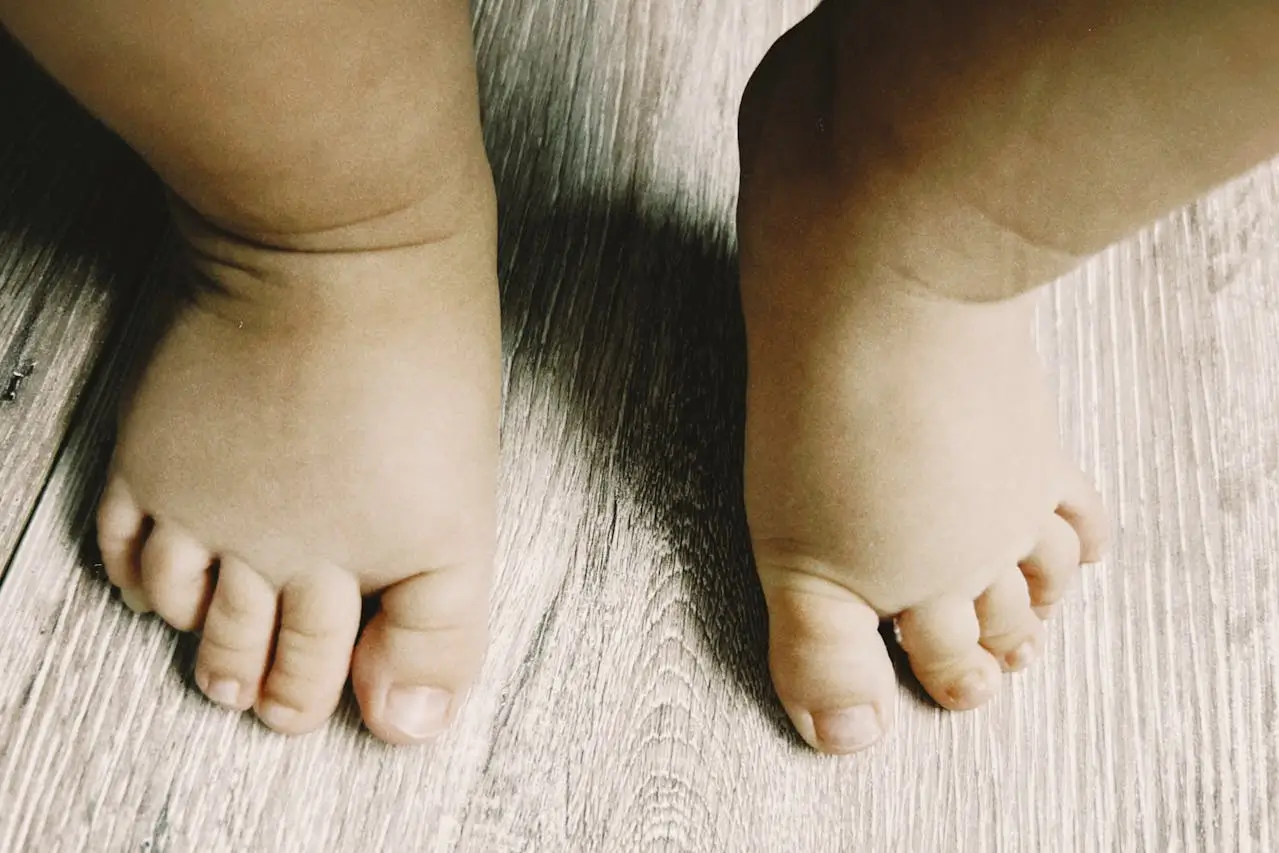
Flat feet are common in children and are generally considered physiological. Between the ages of 3 and 5, it is normal for the arch of the foot not to be fully formed yet. The presence of fatty tissue under the foot can obscure the arch. As the child grows, the muscles and ligaments strengthen, and the arch becomes more visible. However, in some cases, flat feet may persist and require monitoring. If the child experiences pain, excessive fatigue, poor balance, or difficulty walking, an evaluation is recommended. Orthotic insoles, specific exercises, or specialized follow-up may be recommended to prevent long-term complications. In adults, flat feet are generally acquired and often symptomatic. Pain on the inner side of the foot, heel tenderness, and discomfort during prolonged standing are common. Weakening of the posterior tibial tendon, being overweight, and repetitive stress are major contributing factors. In advanced cases, foot deformity and ankle collapse may occur. Flat feet in adults can also affect the entire lower limb. This can result in pain in the knees, hips, and back. Early diagnosis and appropriate treatment are essential to prevent the condition from worsening.
What are the symptoms of flat feet?
Flat feet do not always cause symptoms, but when they do appear, they generally manifest as pain under the sole of the foot, a feeling of fatigue during prolonged standing, and discomfort when walking. The pain may be more pronounced at the end of the day and may be localized on the inner side of the foot or the heel. Faster wear on the inner part of shoes is also a common sign. In more advanced cases, inward rolling of the ankle, instability, and gait disturbances may occur. In the long term, this can lead to pain in the knees, hips, and back. In active individuals, a decrease in performance and increased fatigue may also be observed. Even if symptoms are mild, they should not be ignored due to their potential consequences.
How is flatfoot diagnosed?
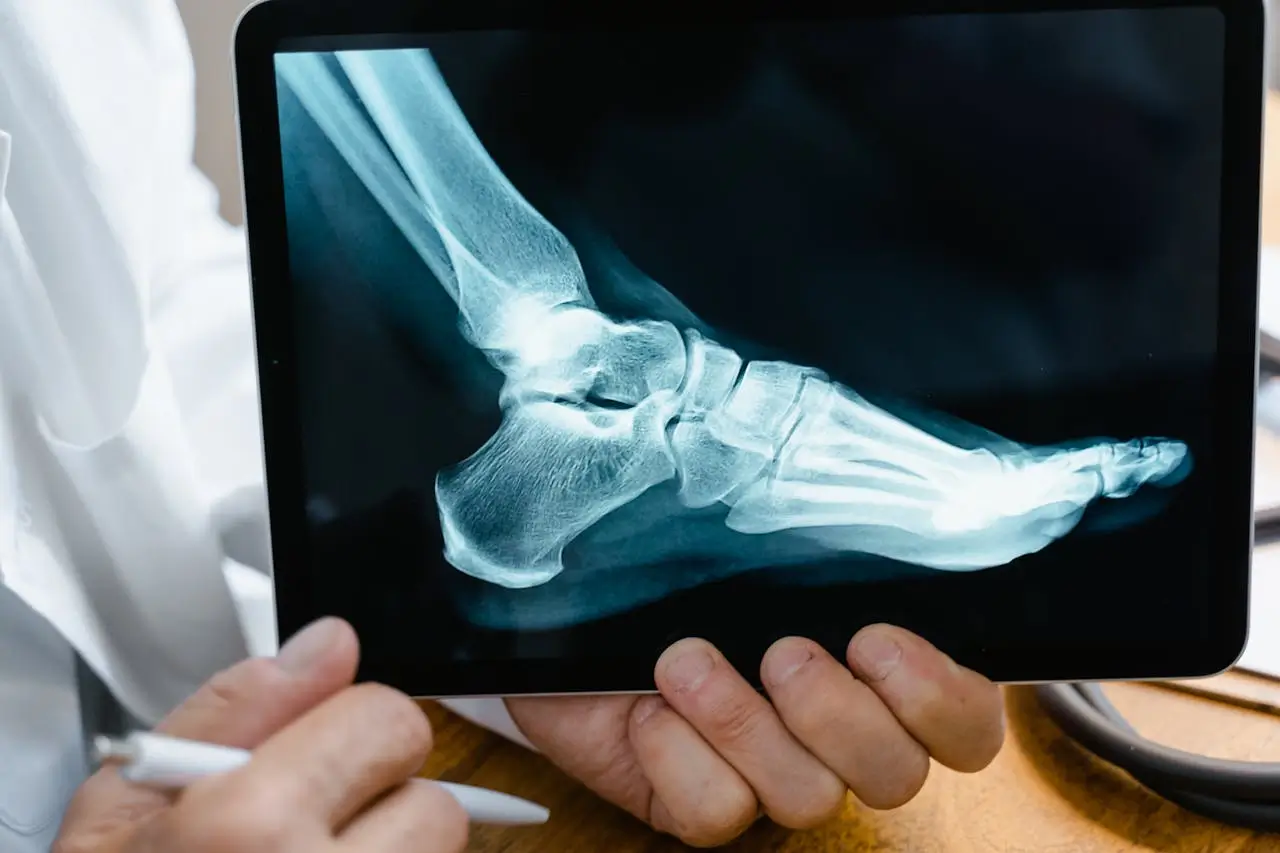
The diagnosis of flat feet is based on a thorough clinical examination. The doctor evaluates the structure of the foot while standing and walking. The condition of the arch, the alignment of the ankle, and the way the foot makes contact with the ground are analyzed. Simple tests can distinguish between flexible flat feet and rigid flat feet. In flexible flatfoot, the arch reappears when the foot is not bearing weight, unlike in rigid flatfoot. If necessary, additional tests such as gait analysis, X-rays, or other imaging techniques may be performed. These tests help assess bone structures, joint alignment, and the condition of the tendons. In adults, it is particularly important to identify the underlying cause in order to tailor treatment.
When is flatfoot surgery necessary?
Surgery is considered when conservative treatments are insufficient and quality of life is significantly affected. Persistent pain, significant deformity, and difficulty walking may warrant surgery. Tendinous insufficiencies and advanced deformities are also indications. Surgical techniques vary depending on the case and aim to restore the arch of the foot, correct imbalances, and improve foot function. The decision to proceed with surgery is made after a thorough evaluation and as a last resort.
Treatment Planning
Treatment Stages
01
Application
It begins with you communicating your complaints and medical reports through the contact channels on our website (contact form, email, WhatsApp, call center, etc.).
02
Medical Evaluation and Planning
Your files reviewed by expert doctors are presented to you with the most appropriate treatment and pricing plan.
03
Arrival in Turkey
After you approve your treatment, you will be welcomed at the airport and all necessary information will be provided to you. Your treatment and transfers are planned by us from start to finish.
04
Departure from Turkey
When you are discharged, your medical reports will also be delivered to you in your native language. After you return to your country, your health monitoring will continue, and online consultations with your doctor will be organized if needed.
Flatfoot Treatment in Turkey
Turkey is a country renowned for its advanced medical infrastructure, modern diagnostic methods, and expertise in orthopedics. Flatfoot treatment is performed there according to international standards, with personalized approaches tailored to each patient. In this context, Kanalar Health Tourism organizes the entire medical journey for international patients, from the initial evaluation through to follow-up, coordinating consultations, healthcare facilities, accommodation, and transfers to ensure a safe, structured, and comfortable treatment experience.
Get answers
Frequently asked questions about flat feet
In some cases, no, but the symptoms can be largely managed.
No, with proper support, playing sports is still possible.