Shoulder Replacement in Turkey in 2026 - Kanalar Health Tourism
Shoulder replacement is an effective solution for reducing pain and restoring mobility in cases of advanced joint damage.
Basic information about shoulder replacement:
Procedure Time: 1-2 Hours
Time to Return to Normal Life: 6–12 Weeks
Hospital Stay Duration: 2–3 Nights
Full Recovery Time: 3–6 Months
Mobility Time: 10–14 Days
Expected Results: 6–12 Months
What is a shoulder replacement?
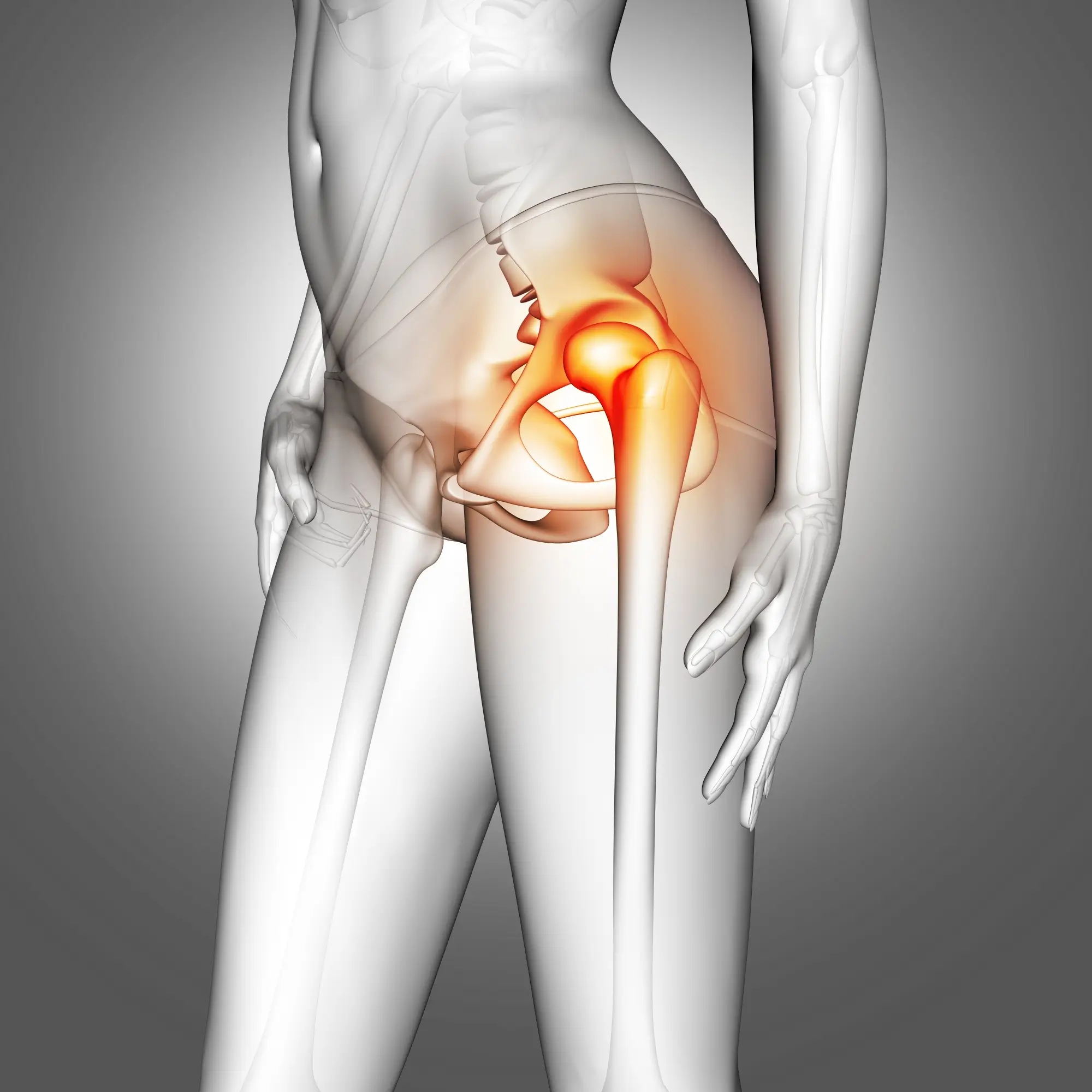
A shoulder replacement is a surgical procedure used when the shoulder joint has advanced damage, cartilage loss, severe pain, and significant limited movement. The goal of this procedure is to replace the damaged joint surfaces with prosthetic components in order to restore mobility and reduce pain. It is particularly recommended for patients whose daily activities are severely limited, especially when it becomes difficult to raise the arm, get dressed, comb their hair, or even sleep comfortably. This procedure aims not only to relieve pain but also to improve quality of life and enable the patient to regain a degree of independence. Although less widely publicized than hip or knee replacements, shoulder replacement is an essential procedure in orthopedics. Since the shoulder is one of the body’s most mobile joints, any impairment can significantly impact daily life. In cases of advanced osteoarthritis, sequelae of fractures, rheumatic diseases, or severe rotator cuff injuries—when conservative treatments prove insufficient—shoulder replacement offers an effective solution. Careful planning, the selection of the right implant, precise surgical technique, and appropriate rehabilitation lead to significant results in terms of pain reduction and functional improvement.
Who is a candidate for shoulder replacement?
Shoulder replacement is generally indicated for patients with irreversible structural damage to the joint, accompanied by persistent pain that is resistant to non-surgical treatments such as medication, injections, or physical therapy. The primary candidates are patients with advanced shoulder osteoarthritis, rheumatoid arthritis, complex fractures, or significant rotator cuff tears leading to impaired joint function. Individuals suffering from nighttime pain, an inability to raise their arm, or difficulty performing simple activities of daily living are particularly affected. However, the decision to implant a prosthesis is not based solely on imaging studies. The patient’s age, bone quality, the condition of the muscles and tendons, activity level, and ability to undergo rehabilitation are also taken into account. In some patients, despite significant damage, the pain remains manageable, while in others, even moderate damage can significantly impact quality of life. The decision is therefore always personalized and aims to meet the patient’s actual needs.
Price of a Shoulder Prosthesis
The price of a shoulder prosthesis in Turkey with Kanalar Health Tourism depends on the type of implant chosen, the preferred surgical technique, and the planned postoperative rehabilitation program. Amounts generally range between 11.000 EURO and 25.000 EURO, covering the entire medical journey: consultations, surgery, hospital stay, transfers, and follow-up after the procedure. Contact the Kanalar Health Tourism team to receive a personalized quote.
Reach Out to Us
GET ADVICE NOW
What is the lifespan of a shoulder prosthesis?
The lifespan of a prosthesis depends on several factors, including the quality of the implant, the surgical technique, the condition of the bone, and the patient’s lifestyle. A properly implanted prosthesis can function for many years. However, wear and tear or complications may occur over time. Regular medical follow-up allows for the early detection of potential problems. Proper use of the shoulder helps extend the lifespan of the prosthesis.
Types of Shoulder Implants
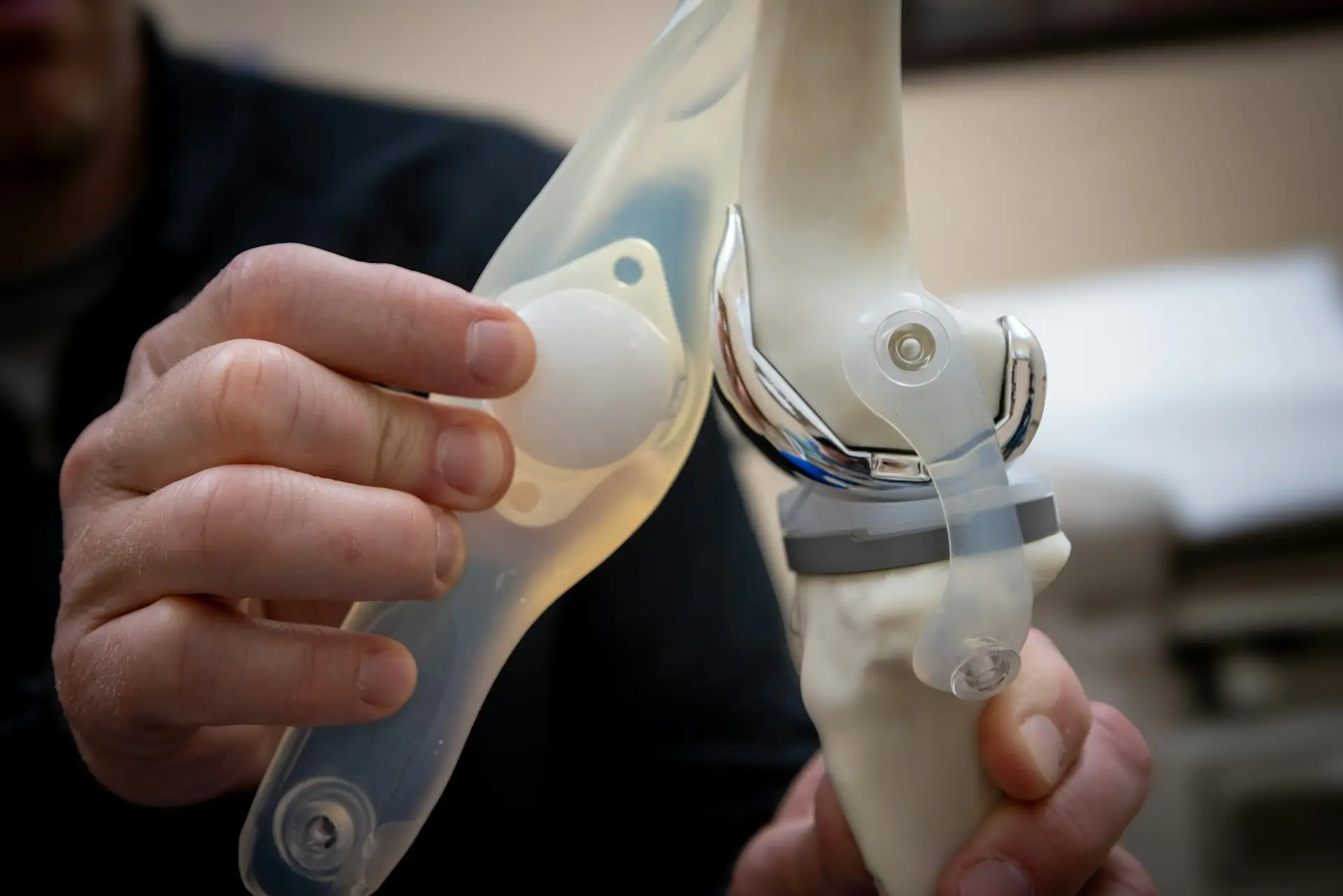
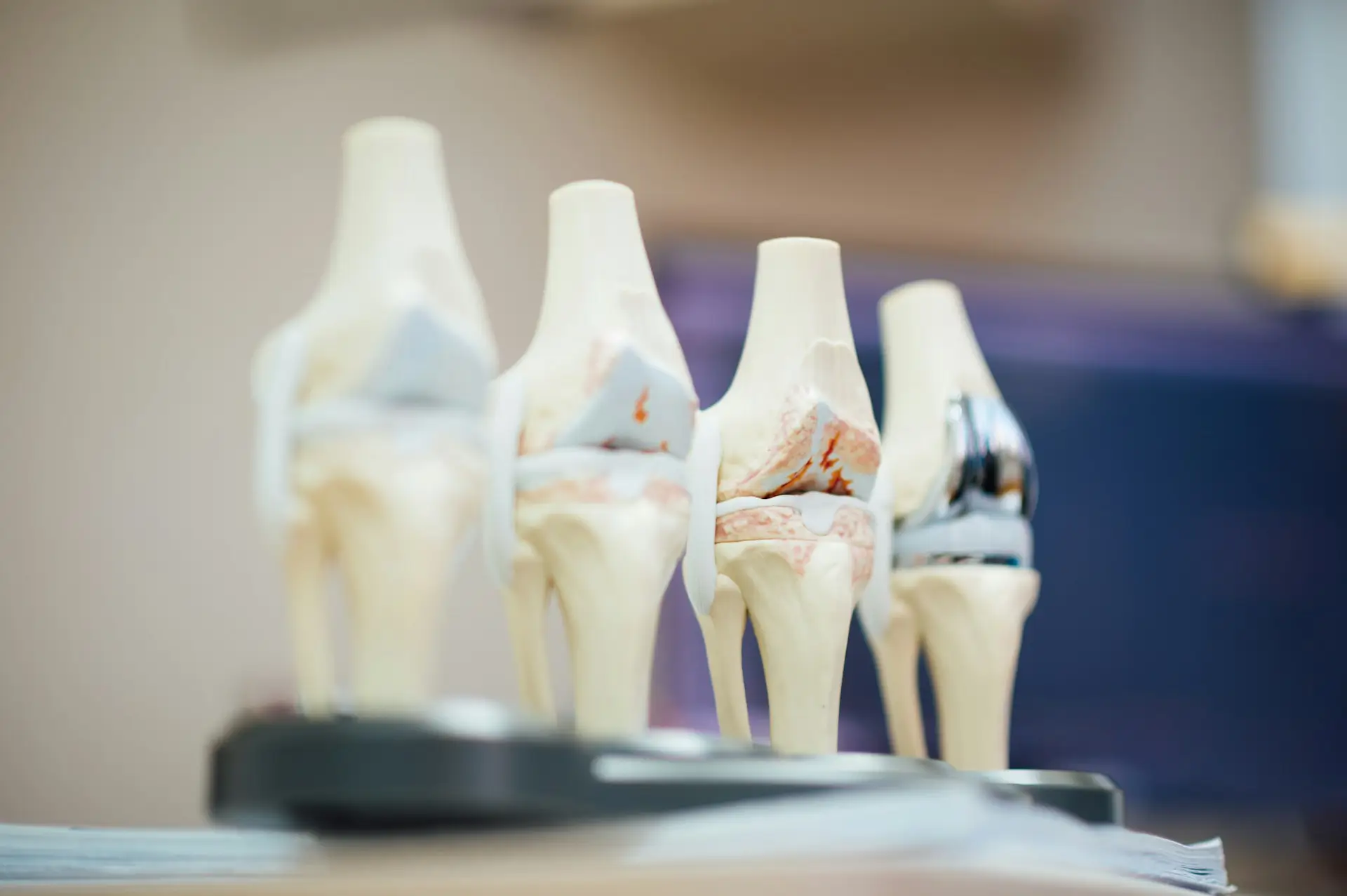
Shoulder replacement is not a standardized procedure; it comes in several types depending on the nature of the condition, the condition of the tissues, and the patient’s functional needs. The choice of prosthesis type is critical to the success of the procedure. Total shoulder replacement: replacement of both joint surfaces (humeral head and glenoid). It is indicated in cases of osteoarthritis with a functional rotator cuff. Hemiprosthesis: only the humeral head is replaced; the glenoid is preserved. Used in certain cases of fractures or specific injuries. Reverse shoulder prosthesis: recommended when the rotator cuff is severely damaged. It alters the biomechanics to allow the deltoid muscle to compensate. Revision prosthesis: used to replace or correct a previously implanted prosthesis in cases of complications or wear. Each type has specific indications and must be chosen based on the overall condition of the shoulder.
Preoperative evaluation
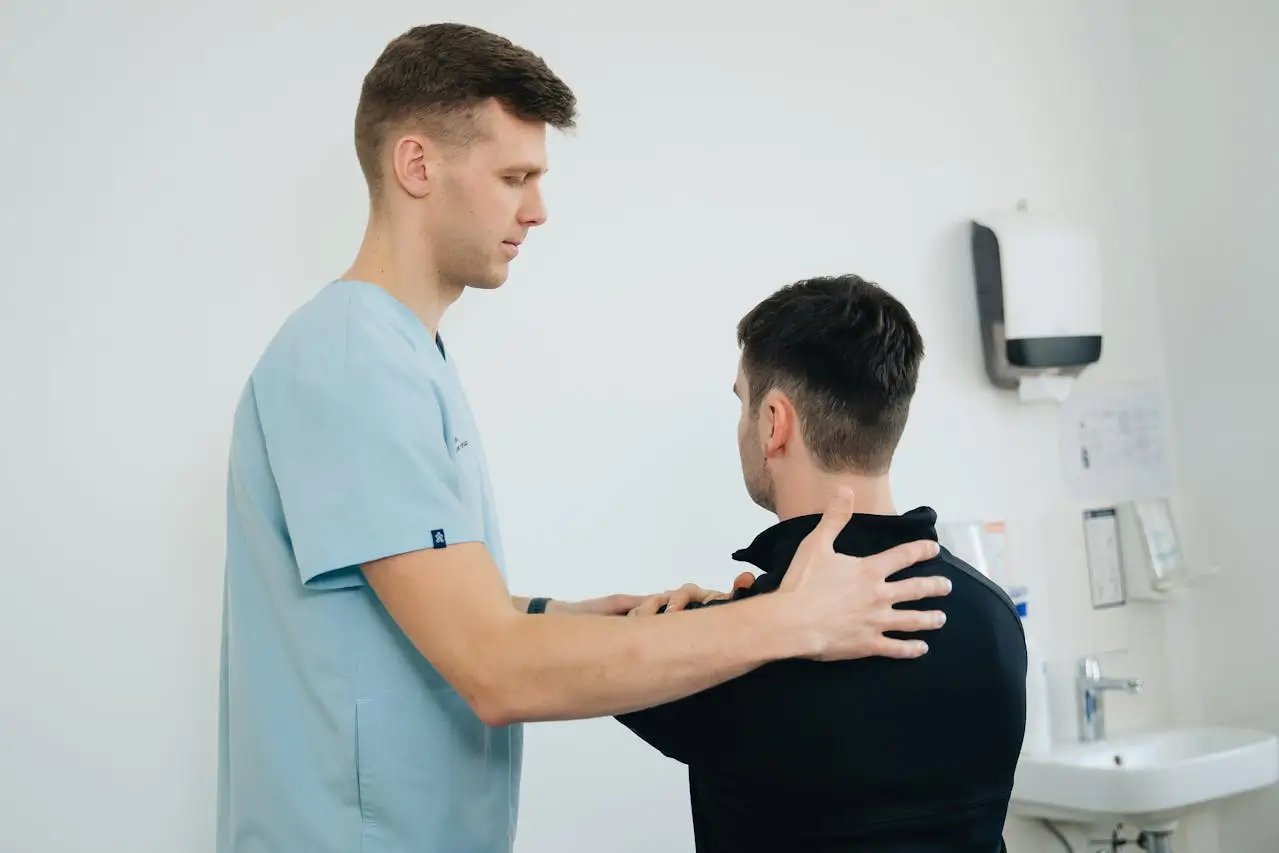
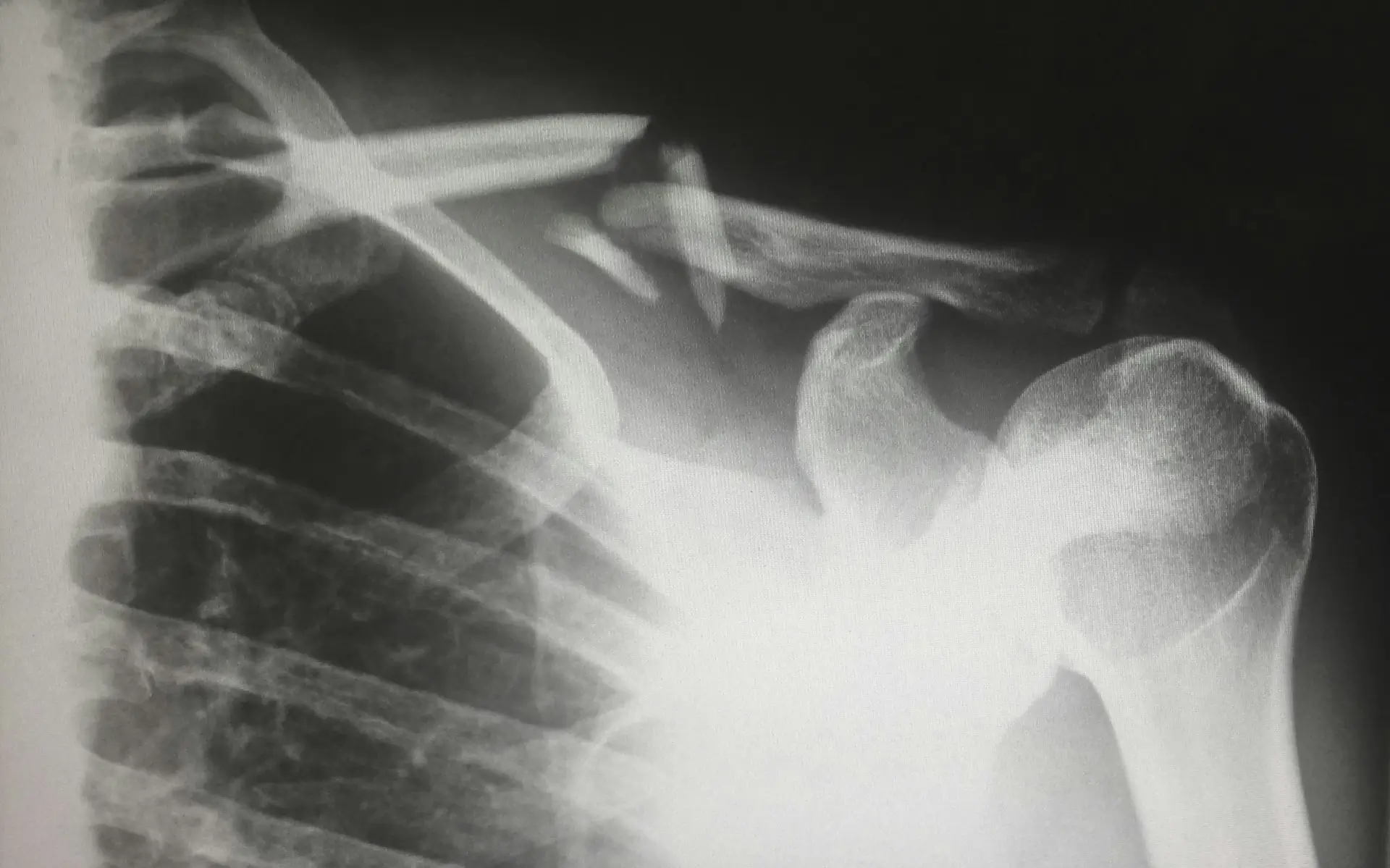
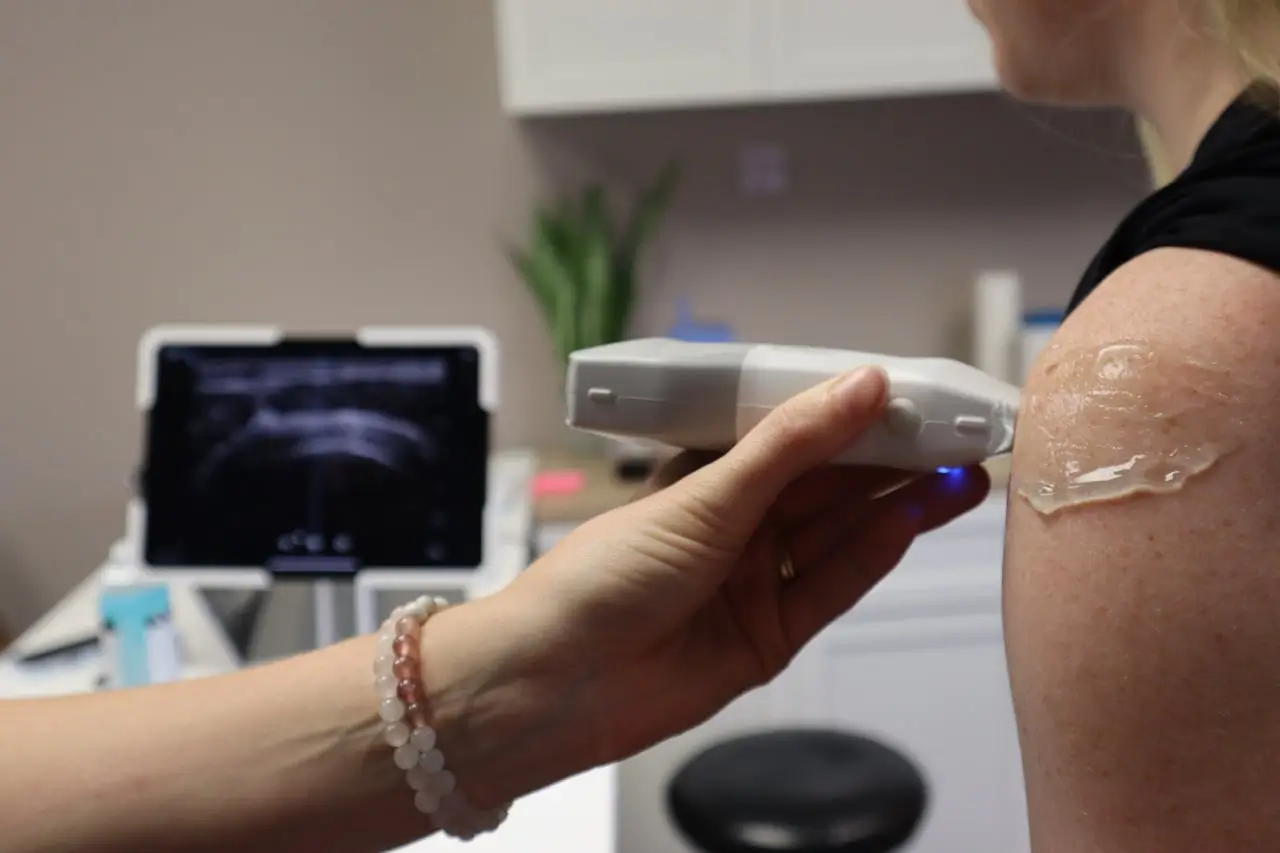
Before the procedure, a comprehensive evaluation is performed. It includes an assessment of pain, shoulder mobility, and previous treatments. Imaging tests such as X-rays, MRI, or CT scans allow for a precise evaluation of bone structures and soft tissues. The patient’s general health is also assessed to evaluate risks associated with anesthesia and surgery. It is essential to clearly inform the patient about the goals of the procedure. The shoulder replacement is not intended to restore a completely normal shoulder, but to significantly improve pain and function.
How is the procedure performed?
The procedure is performed under general or regional anesthesia. The surgeon accesses the joint through an incision at the front of the shoulder, removes the damaged surfaces, and implants prosthetic components tailored to the patient’s anatomy. Tissue balance and joint stability are carefully checked. The duration of the operation varies depending on the complexity of the case. After the procedure, the shoulder is immobilized with a sling and the patient is placed under observation. Success depends as much on the quality of the surgical procedure as on postoperative care.
Recovery and Rehabilitation After Surgery
Recovery occurs gradually in several phases. The first few days are devoted to pain management and protecting the joint. The patient must adhere to movement restrictions to allow for proper healing. Over the course of several weeks, mobility gradually improves. Full recovery may take several months. Patience and adherence to medical instructions are essential for achieving optimal results. Rehabilitation is a key stage of treatment. It helps restore mobility, strengthen muscles, and adapt the shoulder to its new mechanics. Exercises progress gradually, moving from passive movements to active exercises. Regular patient participation is essential. Home exercises complement physical therapy sessions. Properly conducted rehabilitation significantly improves long-term outcomes.
Treatment Planning
Treatment Stages
01
Application
It begins with you communicating your complaints and medical reports through the contact channels on our website (contact form, email, WhatsApp, call center, etc.).
02
Medical Evaluation and Planning
Your files reviewed by expert doctors are presented to you with the most appropriate treatment and pricing plan.
03
Arrival in Turkey
After you approve your treatment, you will be welcomed at the airport and all necessary information will be provided to you. Your treatment and transfers are planned by us from start to finish.
04
Departure from Turkey
When you are discharged, your medical reports will also be delivered to you in your native language. After you return to your country, your health monitoring will continue, and online consultations with your doctor will be organized if needed.
Shoulder Replacement Surgery in Turkey
Turkey is one of the most advanced countries in orthopedic surgery, with modern infrastructure, experienced specialists, and cutting-edge technology. Shoulder replacement procedures are performed there according to high international standards. In this context, Kanalar Health Tourism manages the entire care journey for international patients, from the initial assessment through treatment planning to postoperative follow-up, ensuring medical coordination, accommodation, and transfers to provide a safe, transparent, and seamlessly organized treatment experience.
Get answers
Frequently asked questions about shoulder replacement
This depends on functional recovery and must be approved by the doctor.
The prosthesis may be detected, but this does not interfere with daily life.
Sudden movements and excessive strain should be avoided.
Yes, especially at first to protect the operated shoulder.
Yes, in some cases revision surgery may be necessary.