Ligament Treatments in Turkey in 2026 - Kanalar Health Tourism
Ligament treatments help restore knee stability, reduce pain, and regain optimal mobility using modern techniques.
Basic information about ligament treatments:
Procedure Time: 1–2 hours
Time to Return to Normal Life: 4–8 weeks
Hospital Stay Duration: 0–1 night
Full Recovery Time: 6–9 months
Mobility Time: 7–14 Days
Expected Results: Restored knee stability
What are ligament treatments?
Ligament treatments encompass all surgical and non-surgical approaches used in cases of injury to the ligamentous structures that ensure knee stability. The knee ligaments are essential components that allow the joint to function within the correct axis and withstand sudden stresses. When damaged, they cause not only pain but also a feeling of instability, buckling, loss of control, and reduced performance. For active individuals and athletes, ligament injuries are among the major orthopedic issues that directly impact quality of life. Ligament injuries can range from simple strains to complete tears. Each case therefore requires a specific evaluation and a personalized treatment plan. In some patients, rest, rehabilitation, and muscle strengthening allow for satisfactory recovery, while in other cases, surgery is necessary. The main goal is to restore knee stability, reduce the risk of recurrence, and enable a safe return to daily life or sports activities.
Cruciate ligament injuries (ACL and PCL)
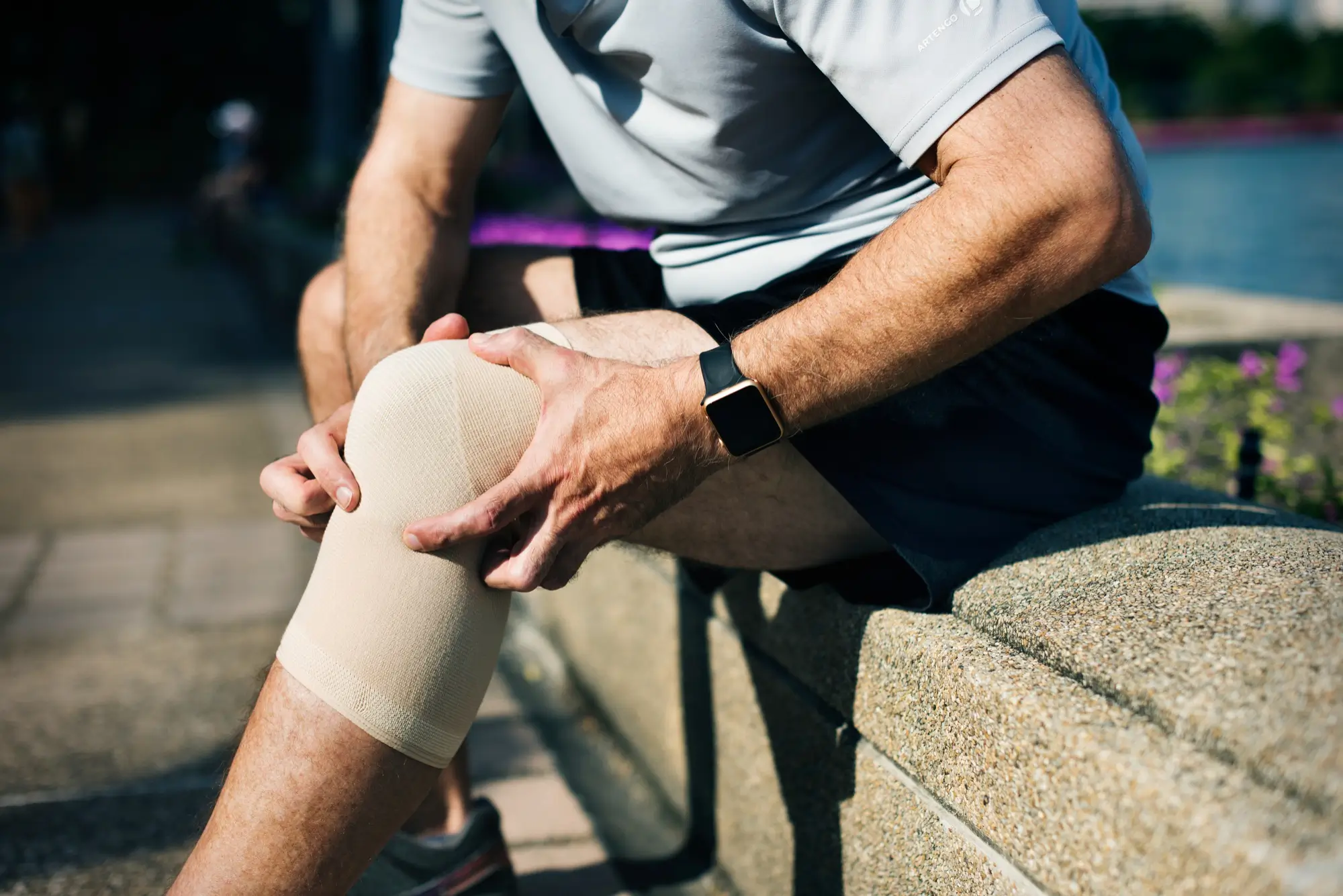
Anterior cruciate ligament (ACL) injury is one of the most common ligament injuries and typically occurs during sudden movements, changes in direction, or poor landings after a jump. It is particularly common in sports such as soccer, basketball, or skiing. The patient may hear a popping sound or feel a tearing sensation at the moment of injury, followed by rapid swelling and an inability to bear weight on the leg. Anterior cruciate ligament tears can be partial or complete. In the case of a complete tear, knee stability is severely compromised, leading to a feeling of the knee giving way during movement. The choice of treatment depends on the patient’s age, activity level, and expectations. For active individuals, surgery is often the preferred option, while non-surgical options may be considered for less active patients. Posterior cruciate ligament (PCL) injuries typically result from a direct impact to the front of the knee, such as during an accident or a significant collision. Although less common than an anterior cruciate ligament (ACL) injury, it can also affect knee stability. In some cases, symptoms may be more subtle, which can delay diagnosis. Patients may experience pain, swelling, and difficulty when going up or down stairs. Not all PCL injuries require surgery. Mild to moderate cases can be effectively treated with physical therapy and muscle strengthening. However, severe injuries or those associated with other ligament injuries may require surgery.
Price of Ligament Treatments
The price of ligament treatments in Turkey with Kanalar Health Tourism depends on the ligament involved, the severity of the injury, and the surgical method chosen (reconstruction or repair). Prices generally range between 5.500 EURO and 8.500 EURO, including diagnostic examinations, the procedure, the hospital stay, transfers, and postoperative rehabilitation. To find out the price suited to your case, get in touch with the Kanalar Health Tourism team.
Reach Out to Us
GET ADVICE NOW
Non-surgical (conservative) treatment methods
Not all ligament injuries require surgery. Conservative treatments are often sufficient for partial tears or in patients with low activity levels. The goal is to strengthen the muscles around the knee to compensate for the ligament deficiency. These treatments include rest, ice application, pain management, and tailored rehabilitation programs. Muscle strengthening improves knee stability. However, this approach is not suitable for all patients, particularly those with significant instability.
What are the ligaments of the knee and their functions?
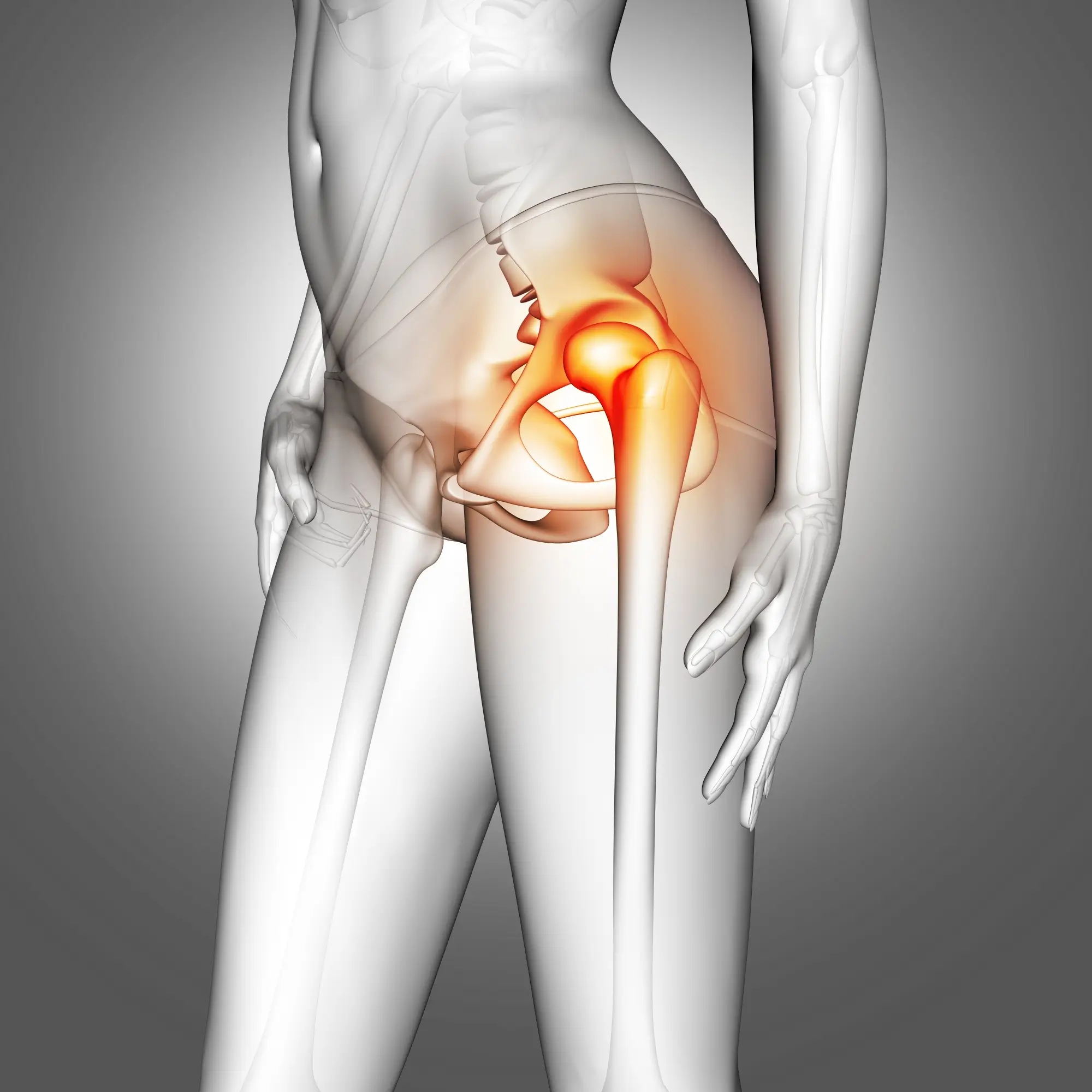
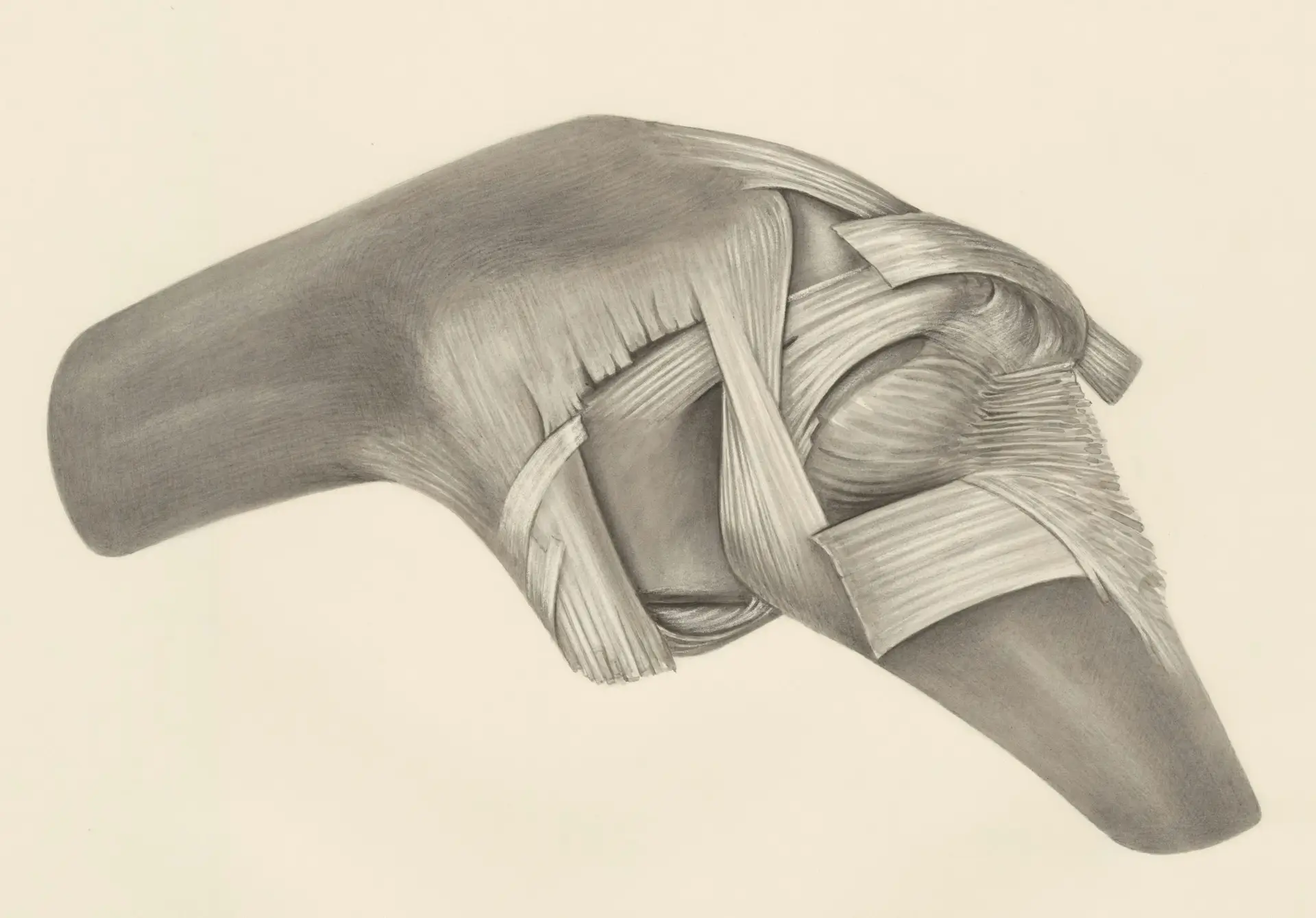
The knee joint has a complex structure held stable by several ligaments. The four main ones are the anterior cruciate ligament (ACL), the posterior cruciate ligament (PCL), the medial collateral ligament (MCL), and the lateral collateral ligament (LCL). These ligaments work together to prevent excessive movement forward, backward, and sideways, while ensuring stability during rotational movements. The anterior cruciate ligament prevents the tibia from sliding forward and stabilizes changes in direction. The posterior cruciate ligament limits backward movement. The collateral ligaments, meanwhile, control lateral movements of the knee. An injury to any of these ligaments disrupts the entire biomechanics of the knee and must be considered a comprehensive issue affecting joint function.
Symptoms and Diagnosis of Ligament Injuries
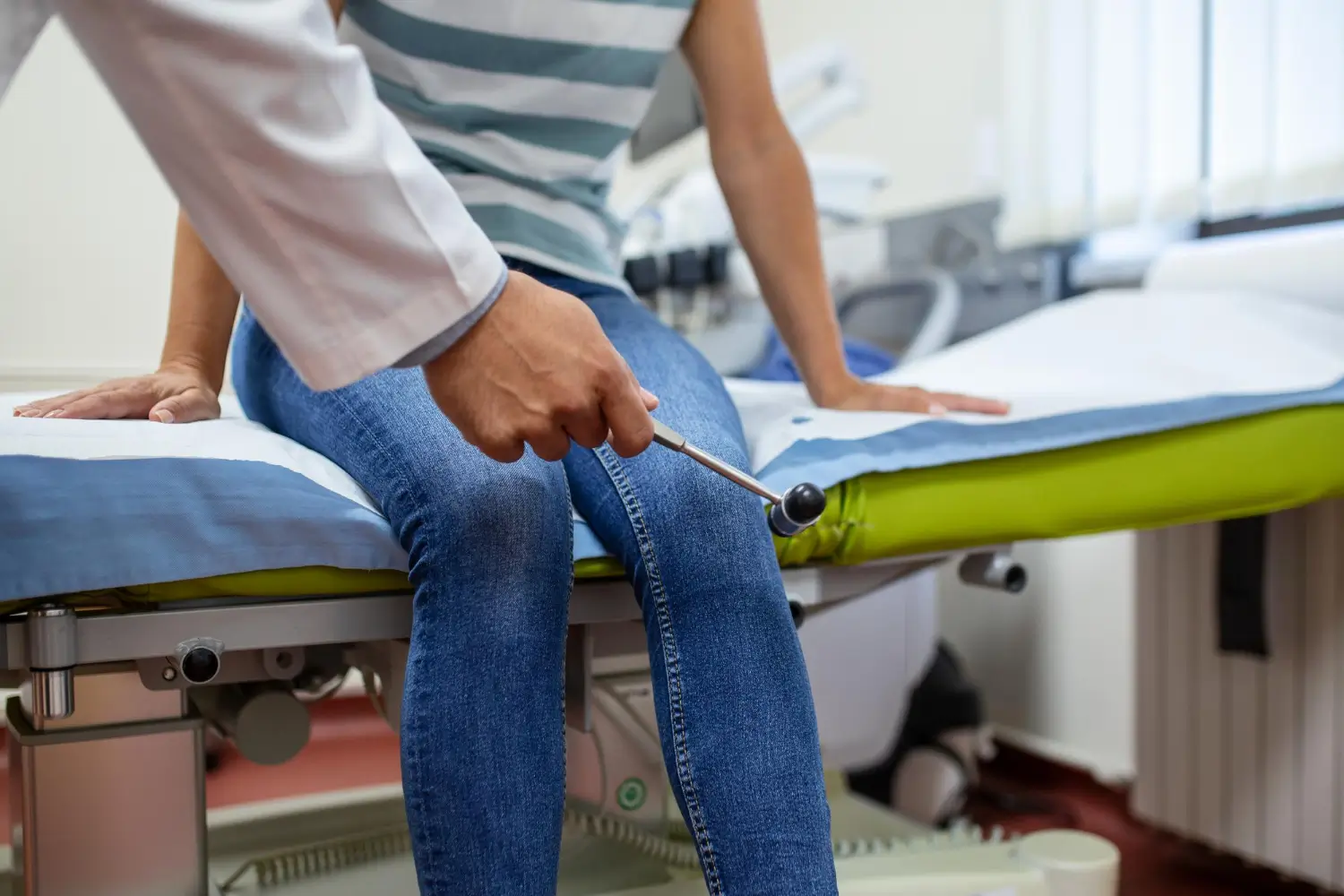
The most common symptoms of ligament injuries include sudden knee pain, swelling, limited range of motion, and a feeling of instability. A sensation of tearing or a popping sound at the time of injury may also be present. In the first few hours, swelling may develop due to intra-articular bleeding, making it difficult to bear weight. In more advanced cases, the patient may experience knee buckling, loss of control during movement, and recurrent instability. In athletes, this can lead to a decline in performance. The disappearance of pain does not necessarily mean a complete recovery, as instability may persist. Diagnosis is based on a detailed medical history and a clinical examination. The doctor analyzes the circumstances of the injury, the symptoms, and functional limitations. Specific tests are performed to assess ligament stability and identify the affected structure. Medical imaging, particularly MRI, plays a key role in confirming the diagnosis and assessing the severity of the injury. In some cases, X-rays may be taken to examine the bony structures. The diagnosis must always be based on a comprehensive evaluation combining clinical and radiological data.
Surgical Treatment: How Is Ligament Reconstruction Performed?
Ligament reconstruction involves replacing the damaged ligament with a graft, typically harvested from the patient or derived from specific materials. This procedure is most often performed arthroscopically. The new ligament is secured in bony tunnels to restore knee stability. During the procedure, any associated injuries, such as those to the meniscus or cartilage, may also be treated. The success of the surgery depends as much on the technique as on postoperative rehabilitation, which is essential for regaining optimal function.
Rehabilitation and Return to Sports
Rehabilitation is an essential step following ligament surgery. It aims to restore mobility, strengthen muscles, and reestablish knee stability. The initial phases focus on pain reduction and restoring joint range of motion. Over time, exercises become more intensive to improve strength, balance, and coordination. Adherence to the rehabilitation program is essential to prevent complications and optimize results. Returning to sports depends not only on the time elapsed but, above all, on the level of functional recovery. Muscle strength, stability, and coordination must be restored before resuming any athletic activity. Returning too soon increases the risk of re-injury. The process must be gradual and supervised by healthcare professionals. Functional tests help determine the appropriate time to resume sports activities.
Treatment Planning
Treatment Stages
01
Application
It begins with you communicating your complaints and medical reports through the contact channels on our website (contact form, email, WhatsApp, call center, etc.).
02
Medical Evaluation and Planning
Your files reviewed by expert doctors are presented to you with the most appropriate treatment and pricing plan.
03
Arrival in Turkey
After you approve your treatment, you will be welcomed at the airport and all necessary information will be provided to you. Your treatment and transfers are planned by us from start to finish.
04
Departure from Turkey
When you are discharged, your medical reports will also be delivered to you in your native language. After you return to your country, your health monitoring will continue, and online consultations with your doctor will be organized if needed.
Ligament Treatment in Turkey
Turkey is one of the most advanced countries in the treatment of ligament injuries thanks to its modern infrastructure, experienced surgeons, and cutting-edge surgical techniques. Treatments are performed according to high international standards, with a personalized and multidisciplinary approach. In this context, Kanalar Health Tourism professionally manages the entire medical journey for international patients, from the initial evaluation through treatment planning to postoperative follow-up, ensuring medical coordination, accommodation, and transfers to provide a safe, transparent, and seamlessly organized treatment experience.
Get Answers
Frequently Asked Questions About Ligament Treatments
With appropriate treatment and proper rehabilitation, the majority of patients regain satisfactory function.
No, it depends on the severity of the injury and the patient’s activity level.
In some cases, it can be helpful, but it does not replace treatment.
Yes, especially if rehabilitation is not followed properly.
With appropriate rehabilitation, function can be largely restored.