Rotator Cuff Treatment in Turkey in 2026 - Kanalar Health Tourism
Rotator cuff treatment helps relieve pain, restore shoulder mobility, and improve function using modern techniques.
Basic information about rotator cuff treatment:
Procedure Time: 1-2 Hours
Time to Return to Normal Life: 6–12 Weeks
Hospital Stay Duration: 0–1 Night
Full Recovery Time: 4–6 Months
Mobility Time: 7–14 Days
Expected Results: Shoulder function restored
What is the rotator cuff?
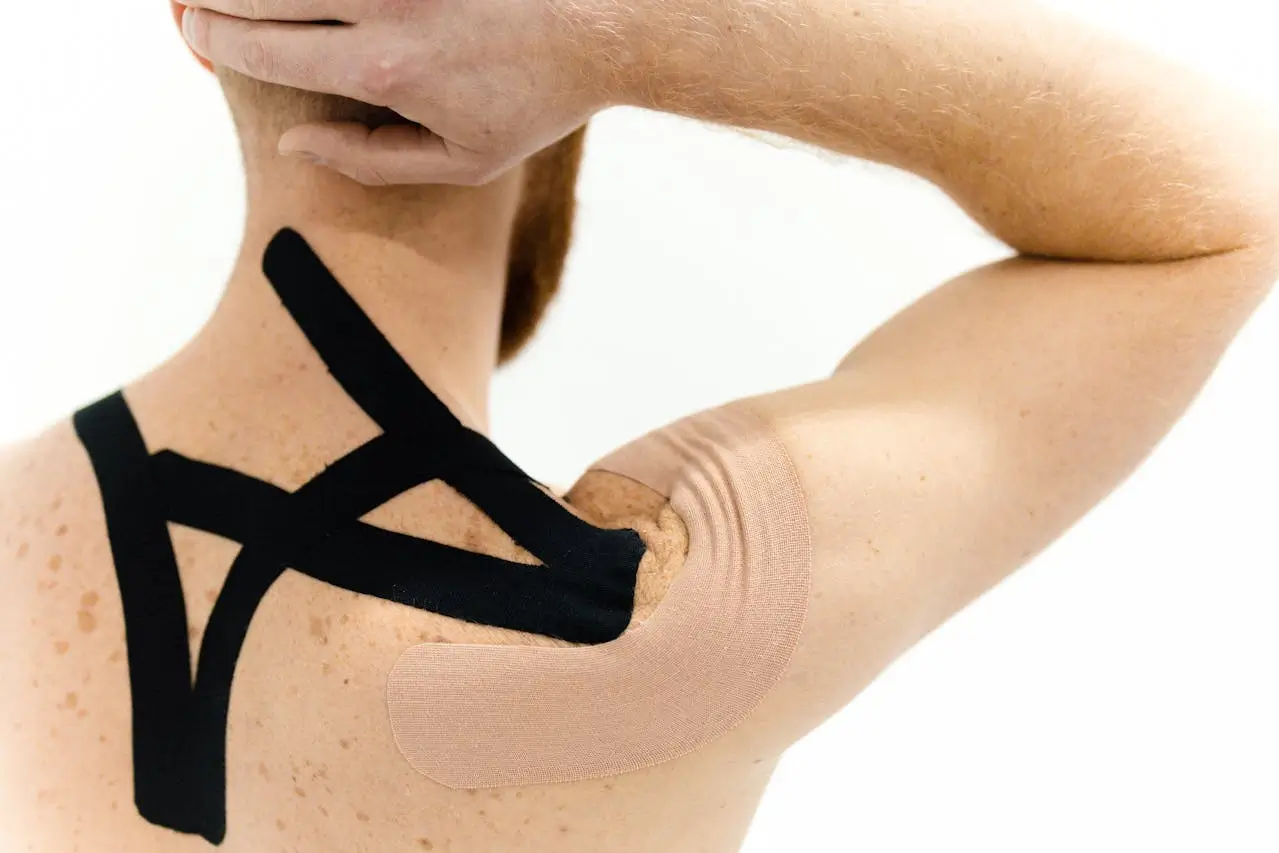
The rotator cuff is a structure composed of four main muscles and their tendons that surround the shoulder joint and control arm movements. These muscles—the supraspinatus, infraspinatus, subscapularis, and teres minor—work together to stabilize the shoulder joint and enable elevation, rotation, and multidirectional movements of the arm. Since the shoulder is the body’s most mobile joint, the proper functioning of these movements depends directly on the integrity of the rotator cuff. This structure not only ensures movement but also keeps the head of the humerus properly positioned within the joint. The rotator cuff is engaged in nearly all arm movements, even the simplest daily activities, such as reaching for an object, raising the arm above the head, or combing one’s hair. This is why injuries to the rotator cuff do not affect only athletes but can affect people of all ages. Repeated stress on the shoulder, age-related degenerative processes, and muscle or tendon weakness can, over time, lead to tears.
What causes a rotator cuff tear?
Rotator cuff tears primarily occur through two mechanisms: traumatic and degenerative. Traumatic tears usually occur after a fall, strenuous activity, or excessive strain on the arm. Falling onto an outstretched arm can place significant stress on the tendons and cause a tear. These injuries are common among athletes, particularly in sports such as swimming, tennis, volleyball, or weightlifting. Degenerative tears, on the other hand, develop gradually over time and are more common in older adults. Tendon wear and tear, reduced blood supply to the tendons, and repeated microtrauma weaken the structures. In these cases, a simple movement can be enough to cause a tear. In addition, factors such as impingement syndrome, bone spurs, or compression of the tendons in a confined space increase the risk. Thus, tears can result from sudden trauma or progressive wear and tear.
Price of Rotator Cuff Treatment
The price of rotator cuff treatment in Turkey with Kanalar Health Tourism is determined by the extent of the tendon tear, the surgical technique used, and the required rehabilitation protocol. Prices generally range between 6.500 EURO and 10.000 EURO, covering the initial assessment, surgery, hospitalization, transfers, and postoperative support. Contact the Kanalar Health Tourism team to obtain a tailored proposal.
Reach Out to Us
GET ADVICE NOW
Conservative treatment methods
Not all tears require surgery. Conservative treatments are often effective for partial or small tears. The goal is to reduce pain, preserve function, and improve quality of life. Options include rest, avoiding painful movements, physical therapy, and muscle-strengthening exercises. Medication and certain injections may also be used to relieve pain. These approaches are particularly suitable for patients who do not wish to or cannot undergo surgery.
Degrees of rotator cuff tears
Tears are classified based on their size and severity. This classification helps determine the treatment strategy. Mild injuries often involve superficial damage to the tendon, while severe cases involve a complete rupture. Tears are generally classified as partial tears, small complete tears, and massive tears. In partial tears, the tendon is not completely severed. In complete tears, the tendon is completely severed. Massive tears may involve multiple tendons and result in significant loss of function. Treatment depends on the severity of the injury and the symptoms.
Symptoms and diagnosis of a rotator cuff tear
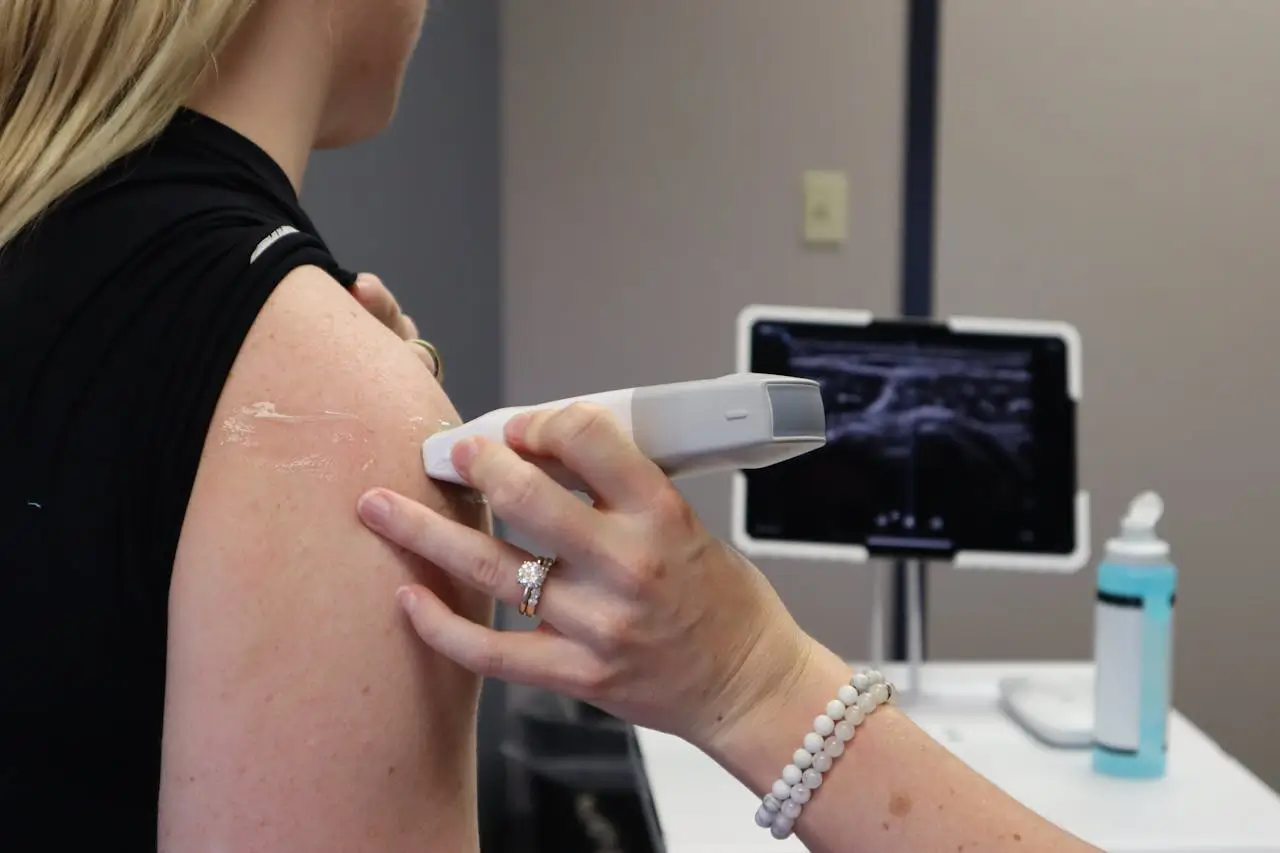
The main symptom is shoulder pain, which is usually worse when raising the arm, moving it sideways, or reaching overhead. Nighttime pain is particularly characteristic and can prevent the patient from sleeping on the affected shoulder. It may start out mild and then gradually intensify, affecting daily activities. In some patients, the pain may radiate down the arm and become more pronounced during movement. In advanced cases, loss of strength and limited range of motion occur. The patient may have difficulty raising the arm or performing certain movements. A sensation of catching, joint noises, and instability may also be felt. These symptoms vary depending on the size of the tear and the number of tendons affected. Diagnosis begins with a detailed clinical evaluation. The doctor assesses the symptoms, their progression, and their impact on daily life. The physical examination evaluates shoulder mobility and muscle strength and includes specific tests to identify the affected tendon. Imaging tests play a key role in confirming the diagnosis. MRI is the most commonly used method to visualize the tendons and determine the extent of the tear. Ultrasound may also be useful in some cases. X-rays help assess bone structures but do not directly show tendon injuries. The final diagnosis is based on a combination of clinical and radiological data.
How is rotator cuff surgery performed?
Surgery is generally indicated for large tears or when conservative treatments fail. It is most often performed arthroscopically, a minimally invasive technique using small incisions. The surgeon repairs the tendon using sutures and anchor devices attached to the bone. If necessary, associated abnormalities such as bone impingement are corrected during the same procedure. The duration of the operation depends on the size of the tear. The success of the surgery also depends on the quality of postoperative rehabilitation.
Rehabilitation after surgery
Rehabilitation is an essential part of treatment. The shoulder is initially immobilized to allow for healing, then progressive exercises are introduced. The initial phases aim to preserve mobility, followed by muscle strengthening. The rehabilitation process can last several months and requires discipline and consistency. Movements that are too early or inappropriate can compromise tendon repair. Controlled progression is therefore essential.
Treatment Planning
Treatment Stages
01
Application
It begins with you communicating your complaints and medical reports through the contact channels on our website (contact form, email, WhatsApp, call center, etc.).
02
Medical Evaluation and Planning
Your files reviewed by expert doctors are presented to you with the most appropriate treatment and pricing plan.
03
Arrival in Turkey
After you approve your treatment, you will be welcomed at the airport and all necessary information will be provided to you. Your treatment and transfers are planned by us from start to finish.
04
Departure from Turkey
When you are discharged, your medical reports will also be delivered to you in your native language. After you return to your country, your health monitoring will continue, and online consultations with your doctor will be organized if needed.
Rotator Cuff Treatment in Turkey
Turkey is one of the most advanced countries in the field of shoulder surgery and orthopedic treatments, thanks to its modern infrastructure, experienced specialists, and cutting-edge surgical techniques. The diagnosis and treatment of rotator cuff tears are performed there according to high international standards. In this context, Kanalar Health Tourism professionally manages the entire medical journey for international patients, from the initial evaluation through treatment planning to postoperative follow-up, ensuring medical coordination, accommodation, and transfers to provide a safe, transparent, and seamlessly organized treatment experience.
Get answers
Frequently asked questions about the rotator cuff
With appropriate treatment, the majority of patients regain satisfactory function.
Yes, in mild cases, conservative treatments may be sufficient.
Yes, especially in cases of excessive strain or insufficient rehabilitation.
Recovery is generally significant, but depends on the patient.