Arthroscopic Surgery in Turkey in 2026 - Kanalar Health Tourism
Arthroscopy is a modern surgical technique used to diagnose and treat joint problems using small incisions and offering a quick recovery.
Basic information about arthroscopy:
Procedure Time: 30 mins – 2 hours
Time to Return to Normal Life: 1–4 weeks
Hospital Stay Duration: 0–1 Night
Full Recovery Time: 3–6 Months
Mobility Time: 3–7 Days
Expected Results: Long-term restored mobility
What is arthroscopy?
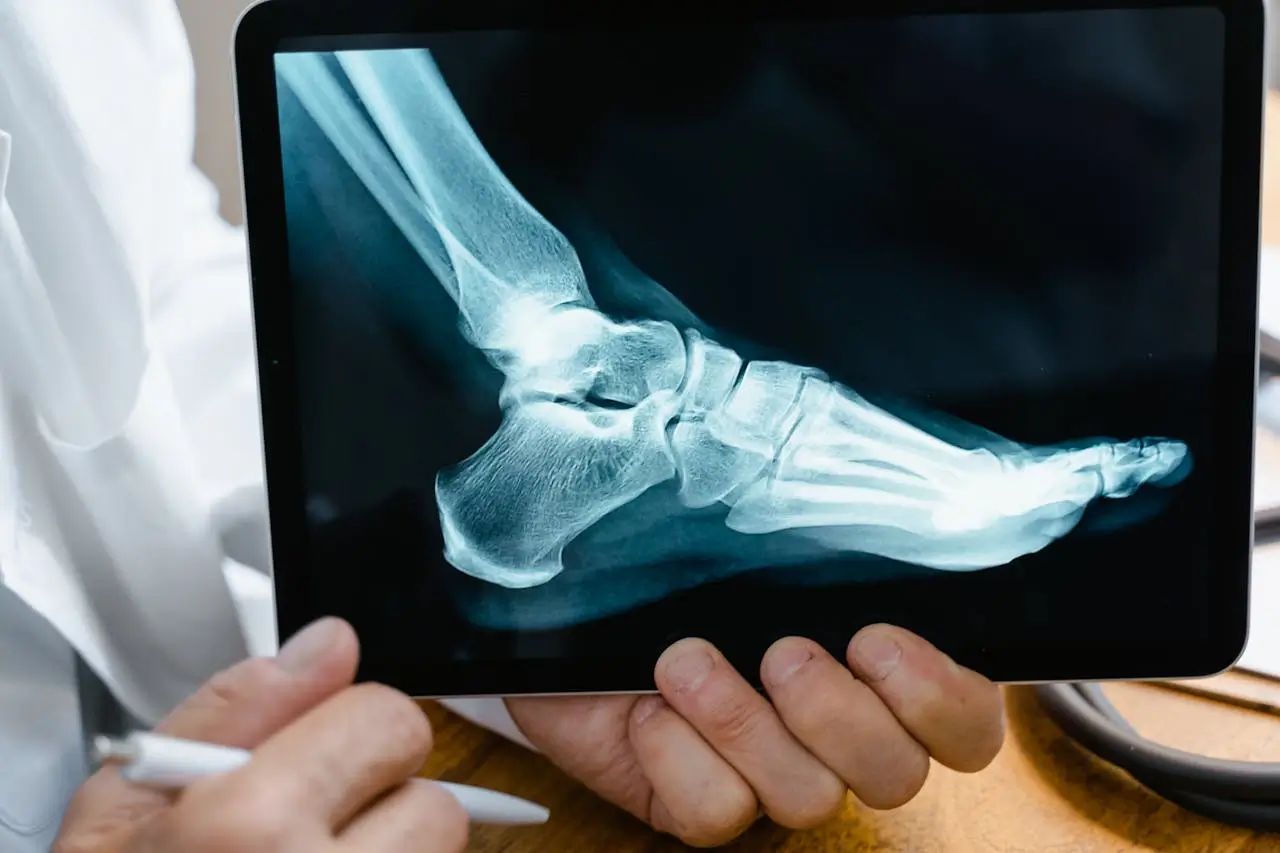
Arthroscopy is a modern surgical technique that allows the internal structures of a joint to be viewed through small incisions, whilst simultaneously performing treatment. Less invasive than traditional open surgery, it offers both a diagnostic and therapeutic approach. A thin, lighted instrument called an arthroscope is inserted into the joint, allowing the surgeon to examine the ligaments, cartilage, menisci and other joint structures in detail via a screen. One of the main advantages of this method is that it minimises damage to surrounding tissue. Thanks to very small incisions, post-operative pain is generally reduced and recovery is significantly faster. Today, arthroscopy is widely used in orthopaedics and sports medicine, particularly to enable active patients to resume their activities quickly. It also has an aesthetic advantage, as it leaves no significant scars.
Who is arthroscopy suitable for?
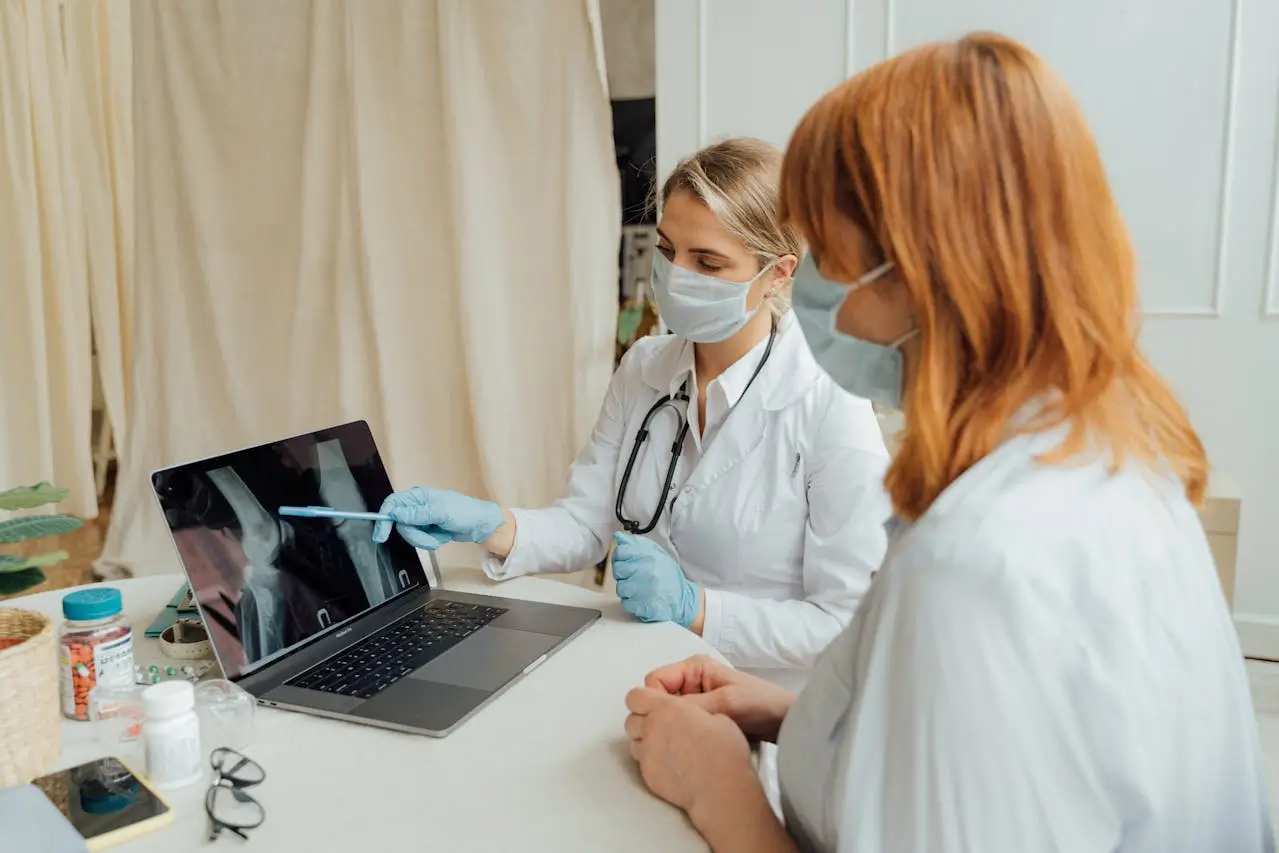
Arthroscopy is generally recommended for patients for whom conservative treatments, such as medication, physiotherapy or rest, have not yielded satisfactory results. It is an effective solution for people suffering from persistent joint pain, restricted movement or a feeling of stiffness in the joint. It is also frequently used in patients with ligament injuries, meniscal tears or cartilage damage, particularly following sports injuries. However, not all patients are suitable candidates for arthroscopy. For example, in cases of advanced osteoarthritis, the benefits may be limited. Furthermore, the patient’s general state of health must be suitable for surgery. The decision to proceed with arthroscopy is therefore based on a thorough medical assessment, including a clinical examination and imaging tests. Appropriate patient selection is essential to ensure the success of the treatment.
Price of Arthroscopic Surgery
The price of arthroscopy in Turkey with Kanalar Health Tourism is mainly linked to the joint involved, the complexity of the condition being treated, and the type of procedure performed. Prices generally range between 4.500 EURO and 7.000 EURO, covering the initial medical assessment, the surgical procedure, the hospital stay, transfers, and the postoperative rehabilitation program. To find out the amount corresponding to your case, contact the Kanalar Health Tourism team directly.
Reach Out to Us
GET ADVICE NOW
The benefits of arthroscopy
One of the main benefits of arthroscopy is that it is minimally invasive. The small incisions limit tissue trauma, resulting in a faster recovery. Post-operative pain is generally less severe and patients can resume their daily activities more quickly. The risk of infection is also lower compared to open surgery. From an aesthetic point of view, arthroscopy is also advantageous as it leaves only very small scars. The length of hospital stay is often short, which helps to reduce costs and improve patient comfort. All these factors make arthroscopy an essential technique in modern orthopaedic surgery.
On which joints can arthroscopy be performed?
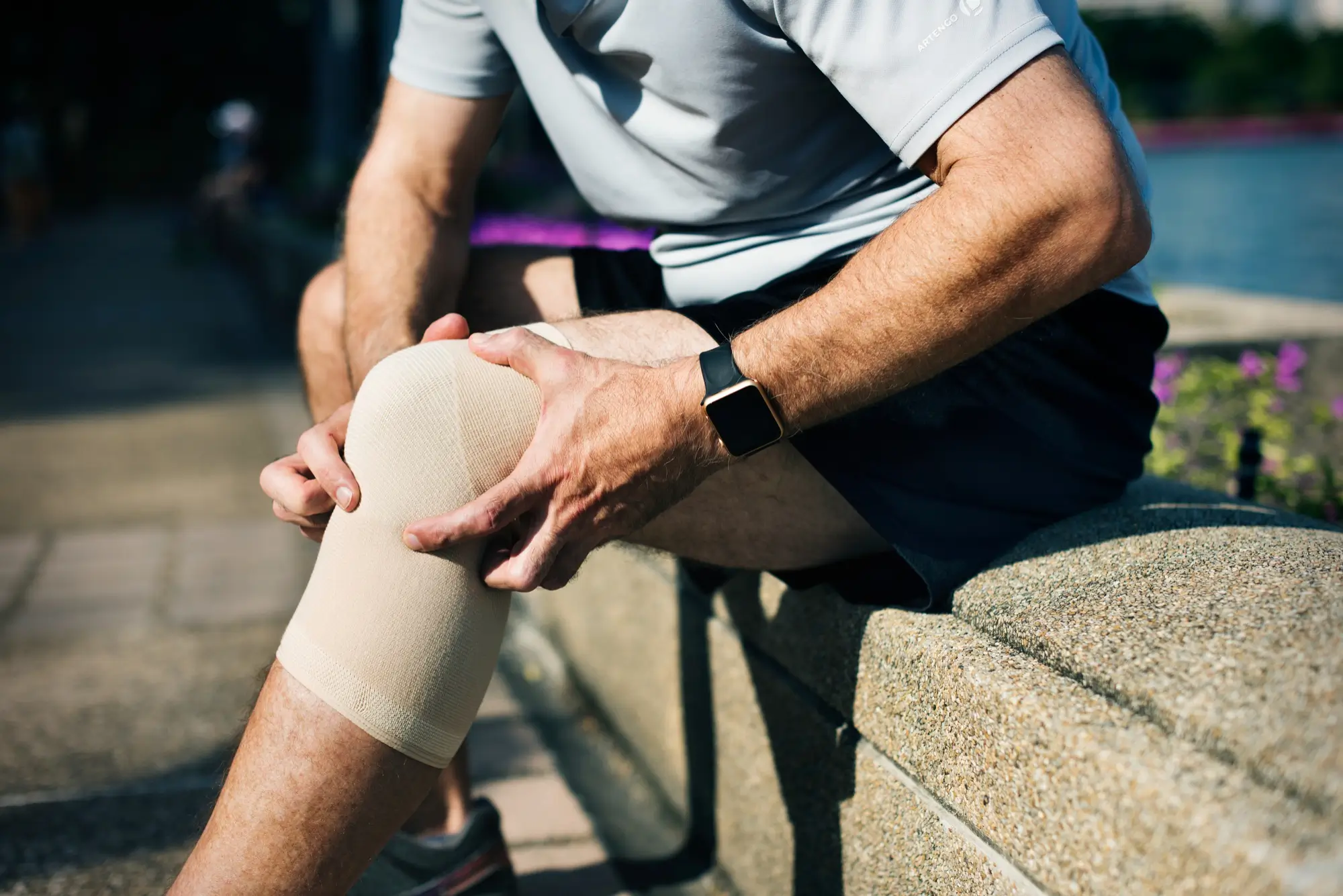
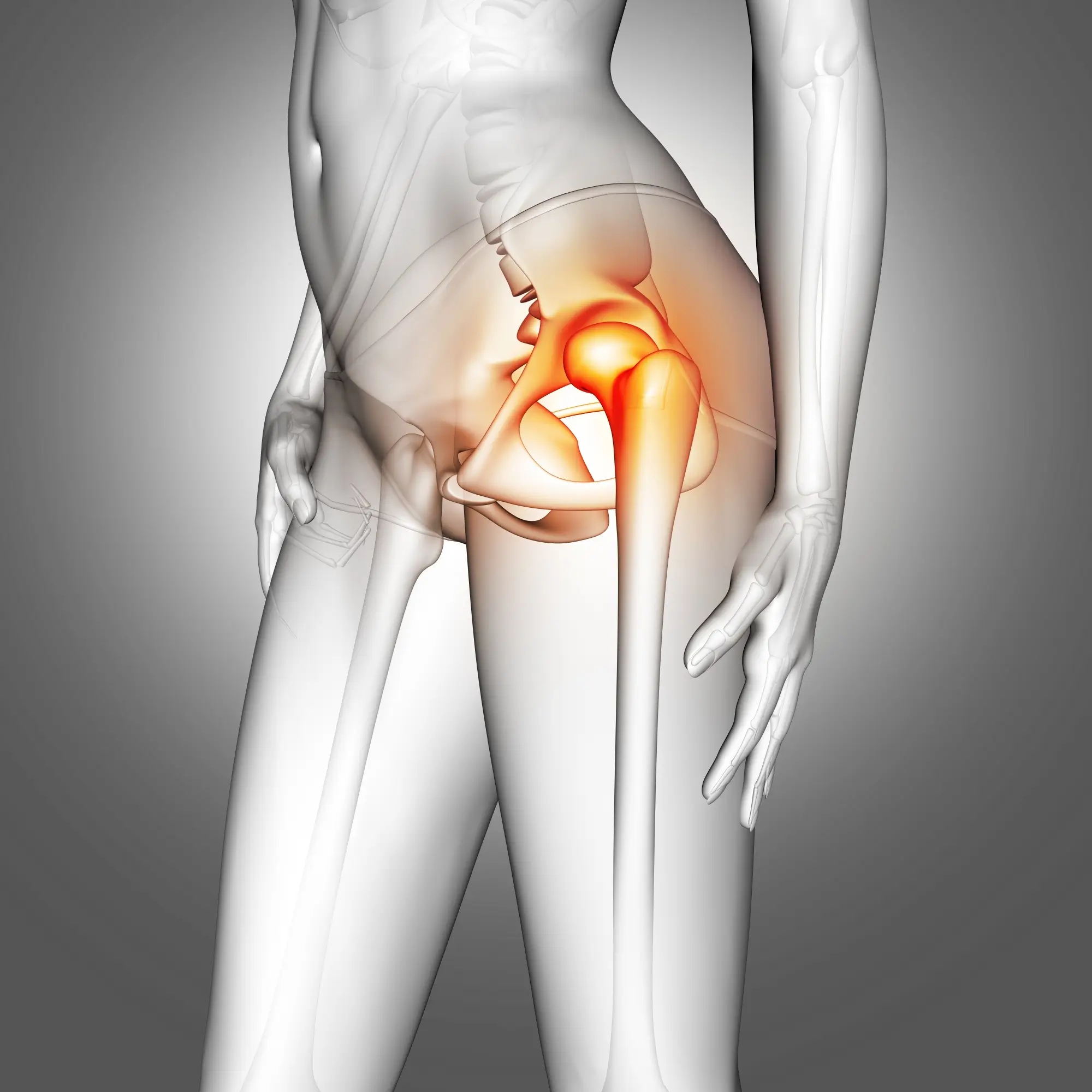
Arthroscopy can be performed on many joints in the body. Although it is most commonly performed on the knee, technological advances have enabled its use on the shoulder, hip, ankle, elbow and wrist. In the knee, it is frequently used to treat meniscal and ligament injuries, whilst for the shoulder, it is indicated for rotator cuff tears and subacromial impingement syndromes. As each joint has a specific anatomy, the techniques and entry points are adapted accordingly. In athletes, arthroscopy is particularly advantageous for treating joint injuries, as it allows for both an accurate diagnosis and immediate intervention. It is also effective for hard-to-reach joints such as the hip or ankle, which considerably broadens its scope of application. Today, it has become one of the standard surgical methods in orthopaedics.
Conditions treated by arthroscopy
Arthroscopy enables the effective diagnosis and treatment of numerous joint conditions. Thanks to direct visualisation of the inside of the joint, it is often possible to correct several problems during a single procedure. Meniscus tears: common in the knee, these are treated by repairing or removing the damaged section. Ligament injuries (anterior cruciate ligament, etc.): damaged ligaments can be repaired or reconstructed. Cartilage damage: cartilage lesions are treated to slow their progression and improve joint function. Shoulder impingement syndrome: painful compression is corrected to restore mobility. Rotator cuff tears: these tendon injuries are repaired using minimally invasive techniques. Intra-articular foreign bodies: loose bone or cartilage fragments are removed. Synovitis: inflammation of the synovial membrane can be treated by joint lavage. Treatment of these conditions using arthroscopy allows for a faster recovery and a reduced risk of complications compared to open surgery.
Preparation and procedure for arthroscopic surgery
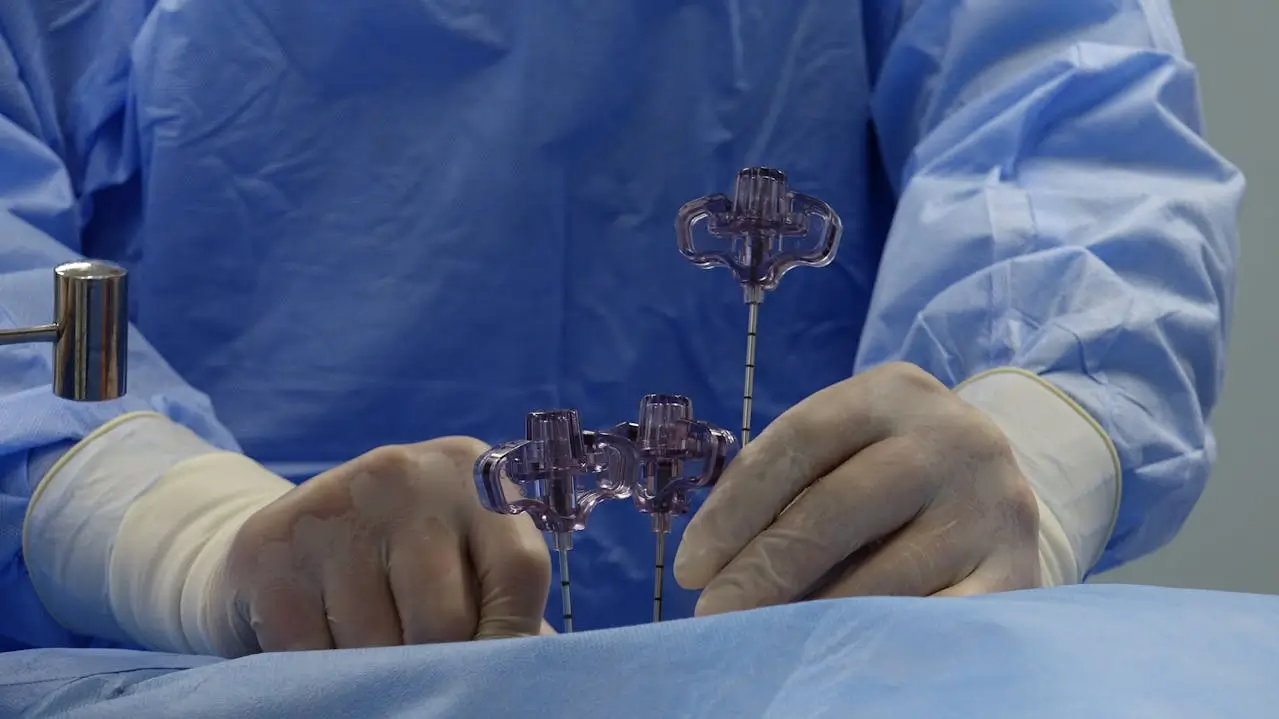
Before arthroscopy, the patient’s health is carefully assessed. Blood tests, imaging scans and an anaesthetic assessment are carried out to ensure the safety of the procedure. It is essential that the patient informs their doctor of any current treatments, chronic conditions and surgical history. Patients taking anticoagulants must, in particular, follow specific recommendations regarding the temporary discontinuation of these medications. Generally, the patient is asked to fast for a certain period before the procedure. Hygiene measures are also put in place to reduce the risk of infection. Furthermore, detailed information on the procedure and post-operative expectations is provided to the patient. Arthroscopic surgery is usually performed under general or regional anaesthesia. The surgeon makes small incisions around the joint to insert the arthroscope and the necessary instruments. The images captured by the camera are projected onto a screen, allowing for precise surgery whilst preserving the surrounding tissues. During the procedure, the necessary steps are taken depending on the condition identified. For example, a meniscal tear may be repaired or a ligament reconstructed. The duration of the operation generally varies between 30 minutes and 2 hours depending on the complexity of the case. Once the procedure is complete, the incisions are closed with small stitches and the patient can often go home the same day.
Recovery process following arthroscopy
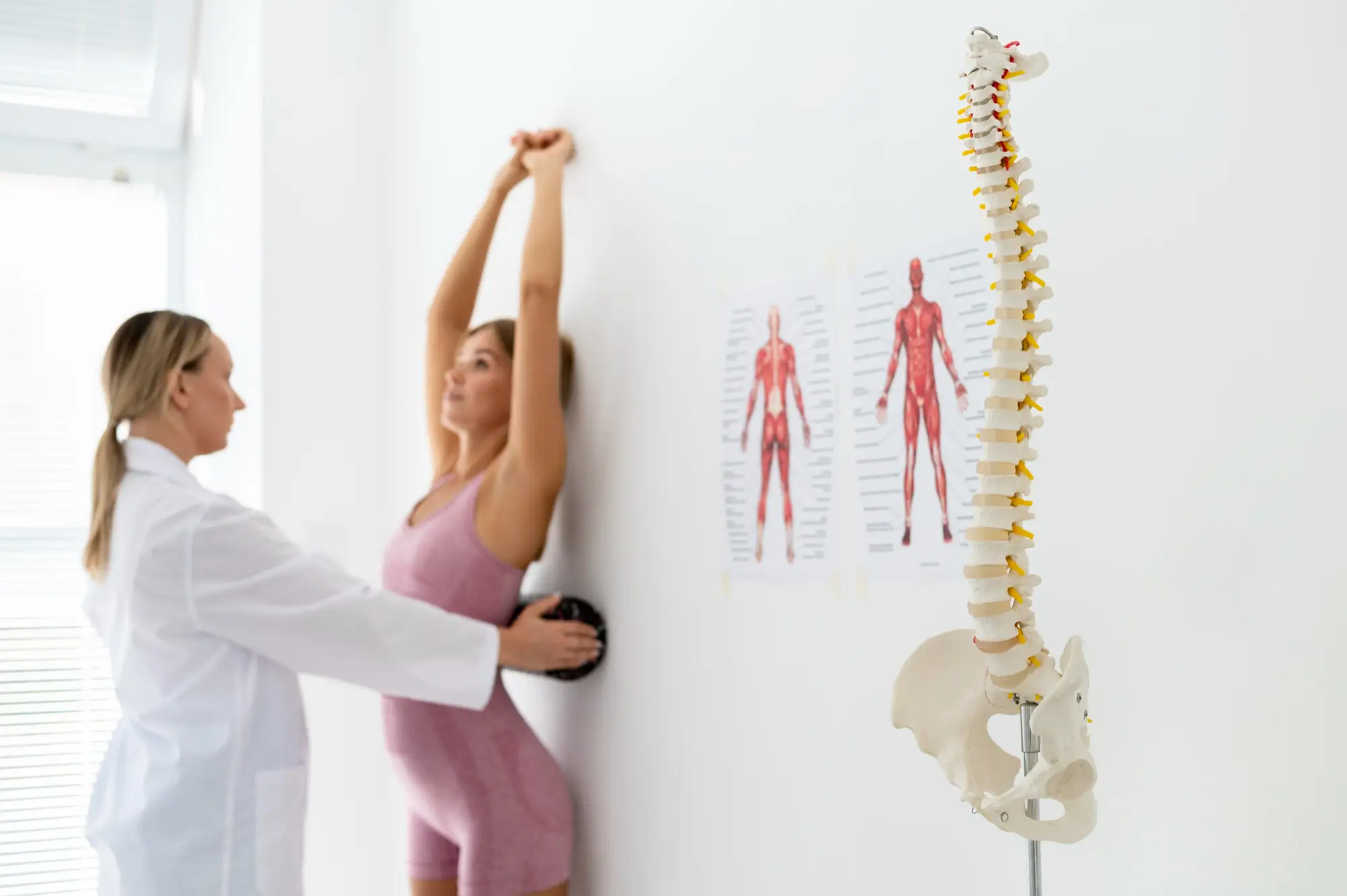
The duration of recovery following arthroscopy depends on the type of procedure performed and the patient’s general condition. Following simple procedures, patients can resume their normal activities within a few days. However, for more complex procedures such as ligament reconstruction, recovery may take several months. It is normal to experience mild pain or swelling in the first few days, which is usually well managed with medication. Rehabilitation plays a vital role in the healing process. Specific exercises are prescribed to restore joint mobility, strengthen muscles and prevent recurrence. Adherence to medical recommendations and regular follow-up are essential for achieving lasting results. A well-managed recovery enables the restoration of optimal joint function in the long term.
Treatment Planning
Treatment Stages
01
Application
It begins with you communicating your complaints and medical reports through the contact channels on our website (contact form, email, WhatsApp, call center, etc.).
02
Medical Evaluation and Planning
Your files reviewed by expert doctors are presented to you with the most appropriate treatment and pricing plan.
03
Arrival in Turkey
After you approve your treatment, you will be welcomed at the airport and all necessary information will be provided to you. Your treatment and transfers are planned by us from start to finish.
04
Departure from Turkey
When you are discharged, your medical reports will also be delivered to you in your native language. After you return to your country, your health monitoring will continue, and online consultations with your doctor will be organized if needed.
Arthroscopy in Turkey
Turkey is among the most advanced countries in the field of orthopaedic surgery thanks to its modern medical infrastructure, cutting-edge technology and specialist teams. Arthroscopy, a minimally invasive technique used to effectively diagnose and treat joint conditions, is performed there to high international standards, offering precise, less painful procedures and a faster recovery. In this context, Kanalar Health Tourism supports international patients at every stage of their care journey in Turkey, from the initial medical assessment through to the full organisation of treatment, including the coordination of appointments, accommodation, transfers and post-operative follow-up. Thanks to a personalised and multidisciplinary approach, patients benefit from safe, structured treatment tailored to their needs, with the aim of providing a reliable, transparent and comfortable medical experience.
Get answers
Frequently asked questions about arthroscopy
Depending on the procedure, light activities can be resumed within a few weeks, whilst intensive sports require several months.
Yes, in the event of poor rehabilitation or excessive strain, there is a risk of recurrence.
Yes, being overweight can slow down healing, particularly for weight-bearing joints such as the knee or hip.
Short journeys are possible after a few days, but long journeys require medical advice.
No, the materials used are generally small and biocompatible, and have no effect on metal detectors.