Meniscus Treatment in Turkey in 2026 - Kanalar Health Tourism
Meniscus treatment helps relieve pain, restore knee function, and improve quality of life using modern techniques.
Basic information about meniscus treatment:
Procedure Time: 30–60 minutes
Time to Return to Normal Life: 2–6 weeks
Hospital Stay Duration: 0–1 Night
Full Recovery Time: 1–6 Months
Mobility Time: 3–7 Days
Expected Results: Knee Preservation
What is the meniscus?
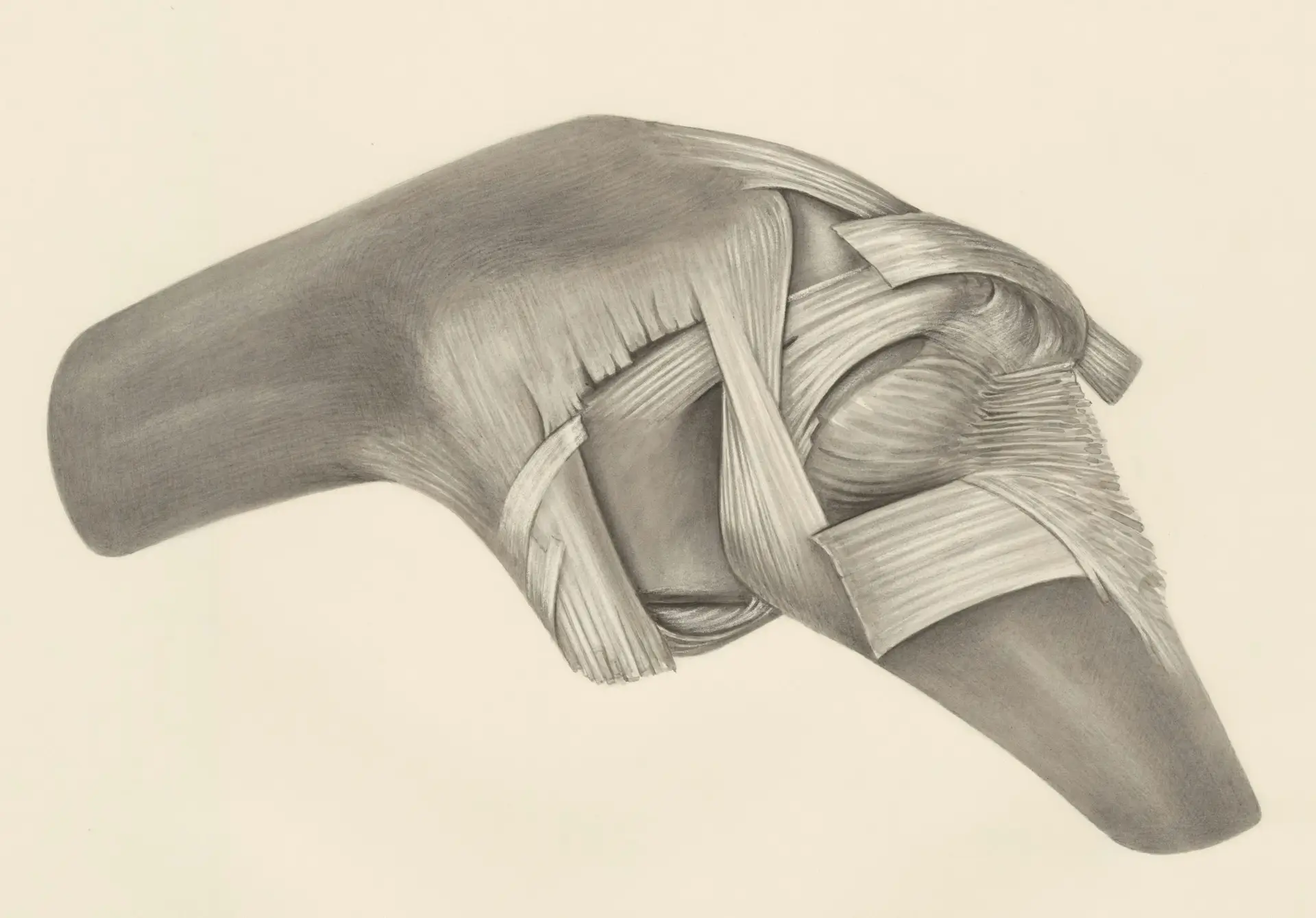
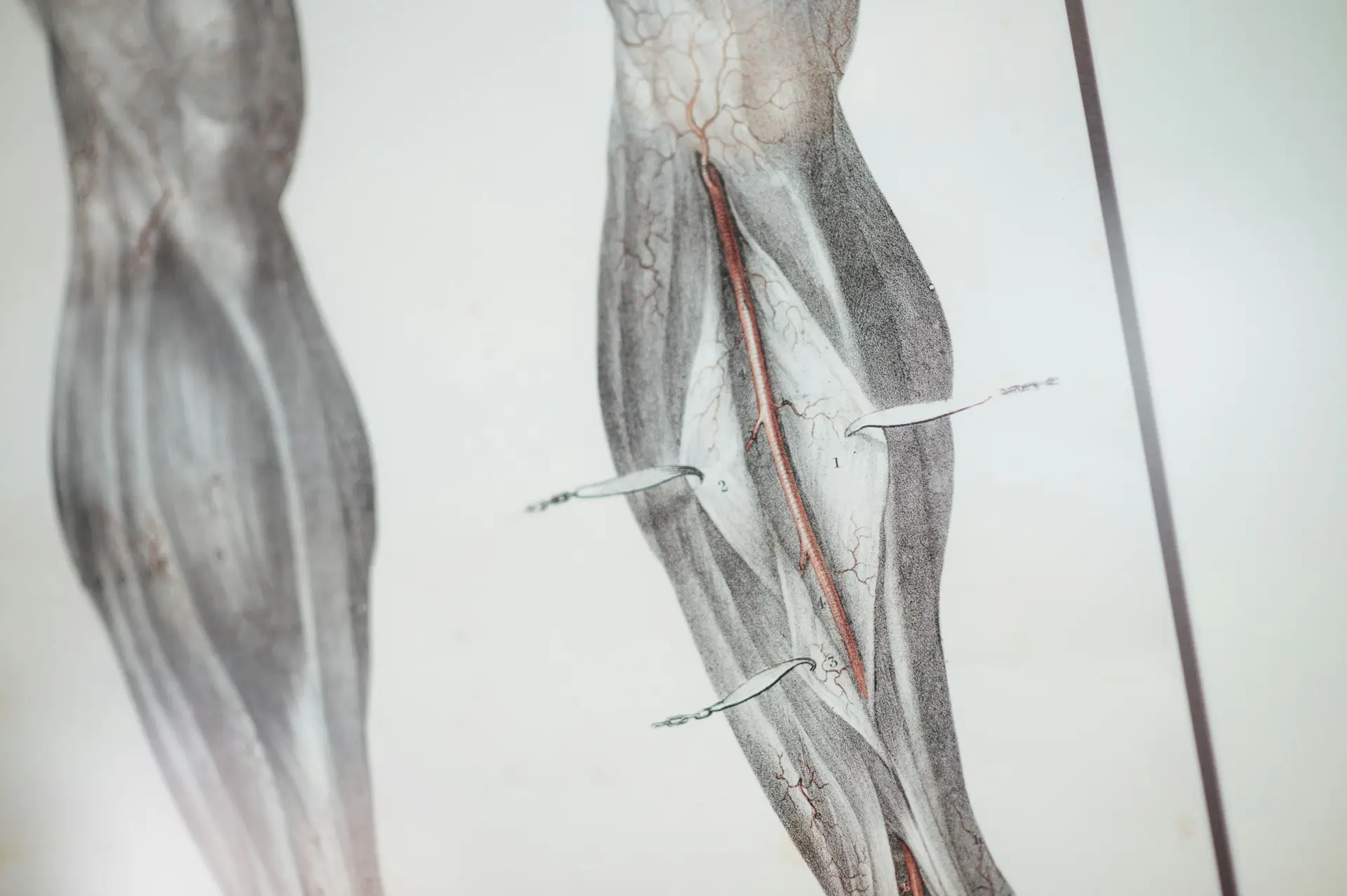
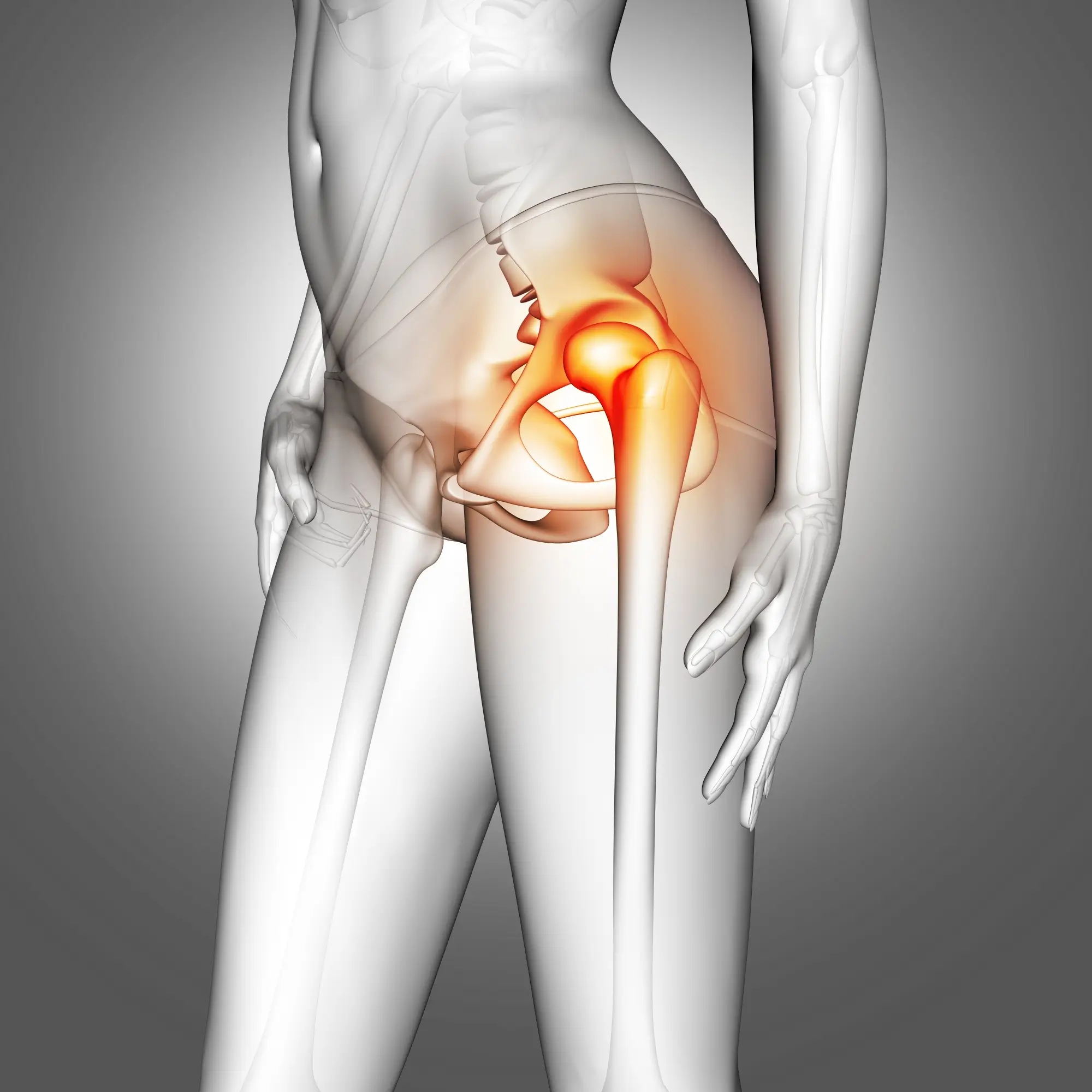
The meniscus is a cartilaginous structure located in the knee joint, acting as a shock absorber and stabilizer between the femur and the tibia. Each knee has two menisci: an inner meniscus and an outer meniscus. These structures help distribute weight evenly, absorb shocks, and reduce friction between the joint surfaces. They also play a vital role in knee stability and the smooth coordination of joint movements. The menisci are actively engaged during walking, climbing stairs, squatting, or sudden changes in direction. The meniscus is not only important for athletes but for all age groups, as it is a fundamental component of knee health. A healthy meniscus helps protect the cartilage and ensure the joint’s longevity. Conversely, when damaged, it can cause pain, swelling, a locking sensation, and limited movement. If left untreated, a meniscal problem can accelerate cartilage wear and increase the long-term risk of osteoarthritis. It should therefore be considered a key structure—essential but often underestimated.
What causes a meniscus tear?
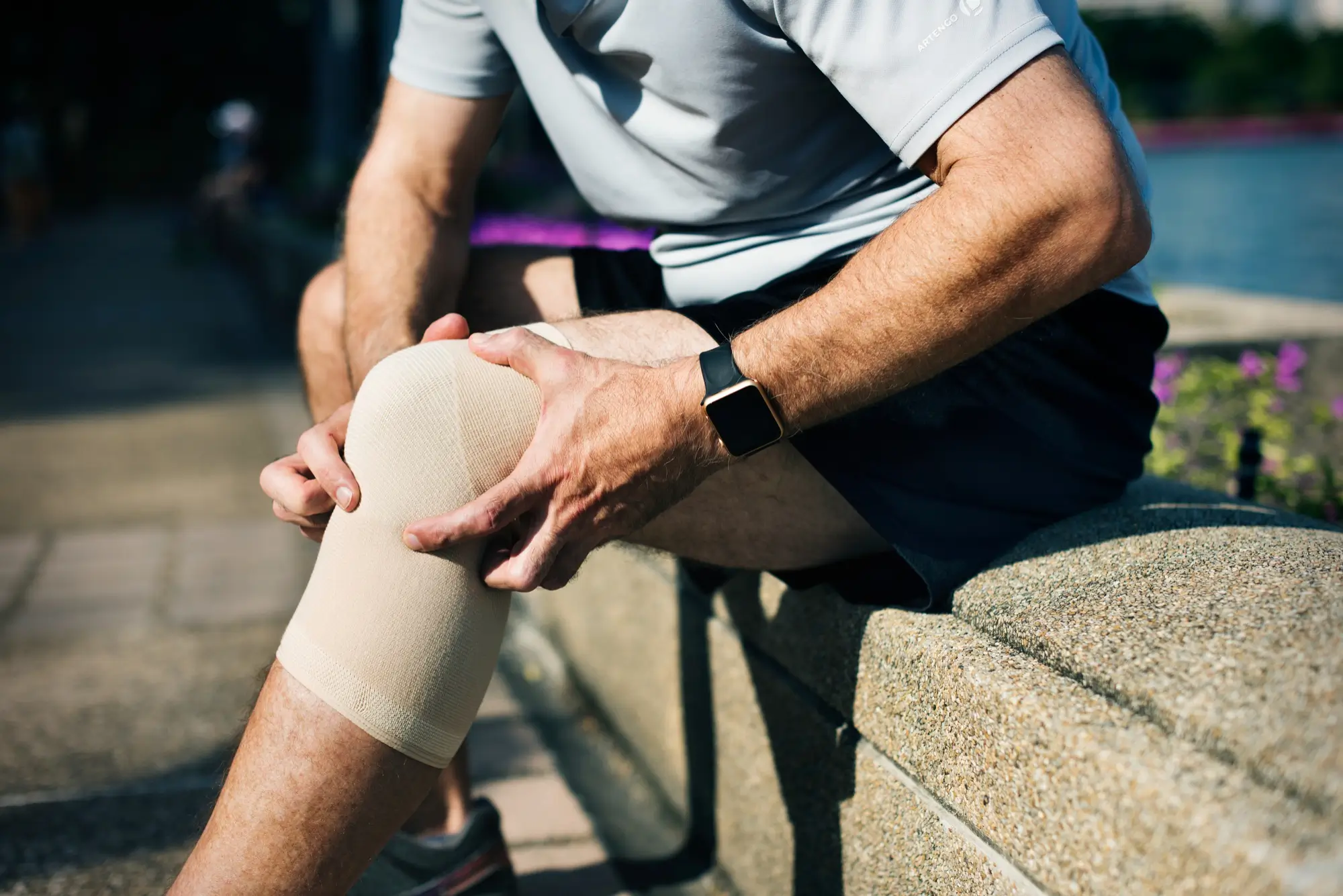
In young people, meniscus tears most often occur as a result of sudden rotational movements, when the foot remains fixed to the ground while the body pivots. They are common in sports such as soccer, basketball, volleyball, tennis, or skiing, which involve sudden stops and changes of direction. A sudden load on the knee, combined with a twisting motion, can place significant stress on the meniscus and cause it to tear. In older adults, meniscus tears are often linked to a degenerative process. Over time, the meniscus loses its elasticity and becomes more fragile. In these cases, simple everyday movements, such as squatting or standing up, can be enough to cause a tear. Factors such as osteoarthritis, being overweight, repetitive microtrauma, or a history of knee injuries also increase the risk. Thus, a meniscus tear can result not only from acute trauma but also from gradual wear and tear.
Price of Meniscus Treatment
The price of meniscus treatment in Turkey with Kanalar Health Tourism varies depending on the nature of the injury, the type of procedure performed (repair or partial removal), and the associated rehabilitation period. Prices generally range between 5.500 EURO and 8.500 EURO, covering the diagnosis, the surgical procedure, hospitalization, transfers, and postoperative follow-up. Contact the Kanalar Health Tourism team for a pricing estimate tailored to your situation.
Reach Out to Us
GET ADVICE NOW
Meniscus treatment methods
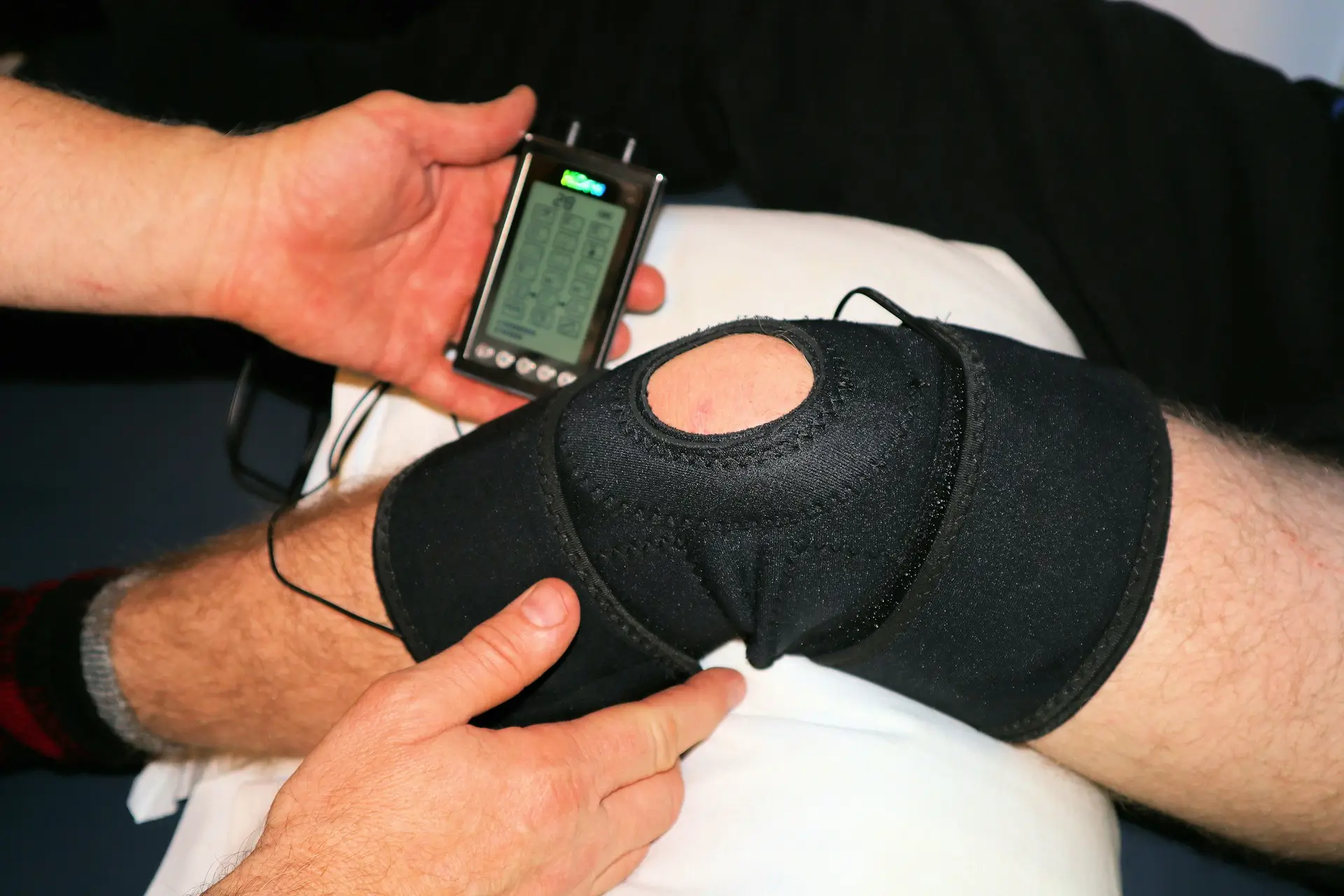
Treatment depends on the type of tear, the patient’s age, and their symptoms. Not all tears require surgery. Options include: Rest and activity modification. Medication. Ice application. Physical therapy. Therapeutic injections. Arthroscopic surgery. Meniscus repair. Partial meniscectomy. The goal is to preserve as much of the meniscus as possible and maintain long-term knee health.
Types of Meniscus Tears
Not all meniscus tears are the same. Their shape, location, and extent directly influence treatment. Some tears primarily cause pain, while others lead to mechanical locking. The most common types are: Longitudinal tear: follows the fibers of the meniscus and can be repaired in some cases. Bucket-handle tear: an advanced form that can cause knee locking. Radial tear: extends from the center outward and disrupts load-bearing function. Horizontal tear: separates the meniscus into two layers, often associated with a degenerative process. Complex tear: a combination of several types, requiring a thorough evaluation. Degenerative tear: related to wear and tear with age, without major trauma.
Symptoms and Diagnosis of a Meniscus Tear
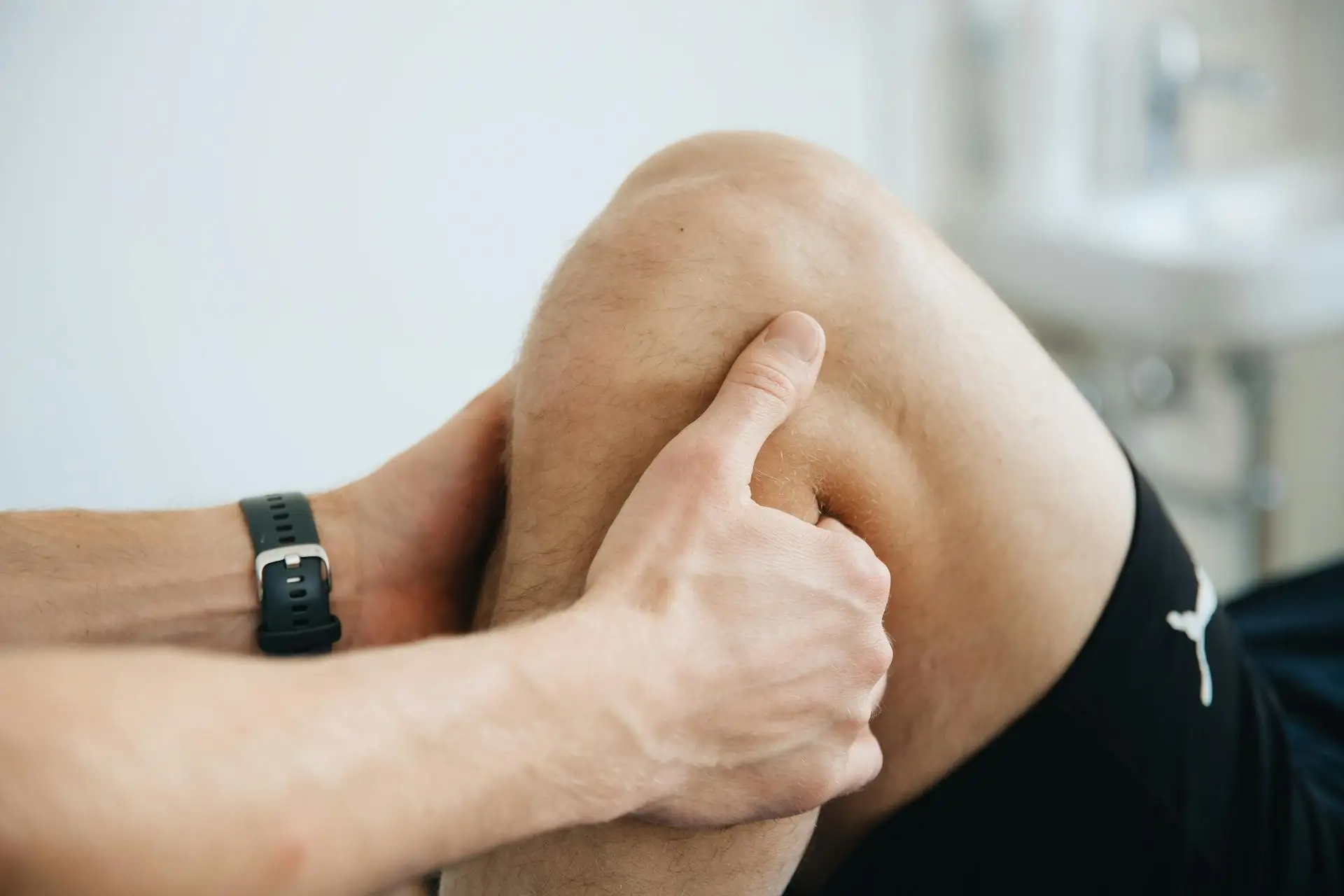
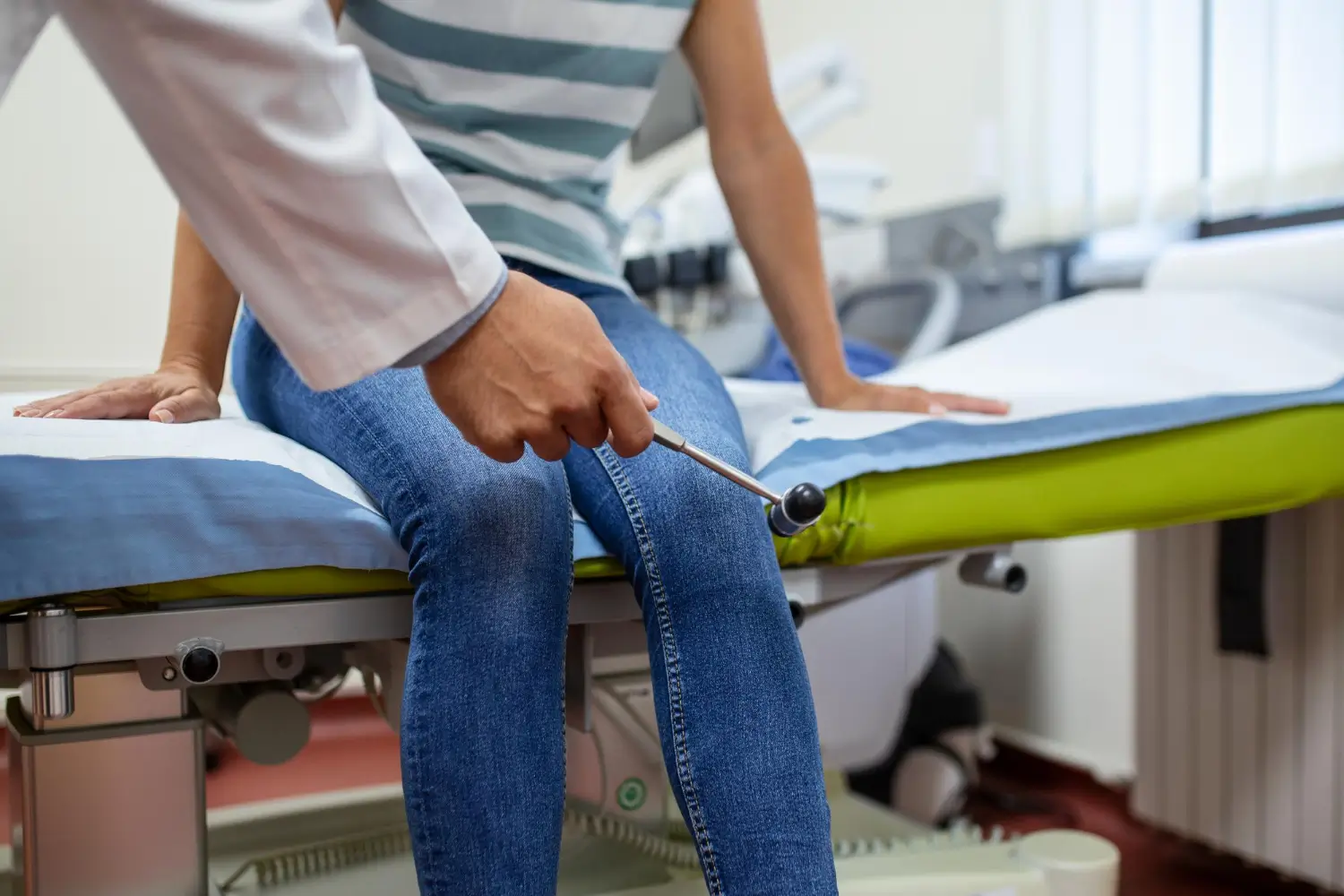
The most common symptoms of a meniscus tear include knee pain, swelling, and discomfort during movement. The pain is often more intense when bending the knee, squatting, going up or down stairs, or after prolonged standing. Depending on the location of the tear, the pain may be felt on the inner or outer side of the knee. Symptoms may be mild at first but worsen with use of the knee. In more advanced cases, mechanical signs appear, such as a sensation of locking, giving way, or catching in the knee. The patient may feel as though something is getting stuck inside the joint. If a meniscus fragment shifts, it can prevent the knee from bending or extending fully. Swelling may also occur due to an intra-articular reaction. These symptoms must be carefully evaluated, especially if they persist. Diagnosis is based on a comprehensive evaluation including medical history, physical examination, and, if necessary, imaging studies. The doctor asks the patient about the onset of symptoms, the presence of trauma, and any sensations of locking. During the examination, specific meniscus tests are performed to detect a possible tear. Magnetic resonance imaging (MRI) is the most commonly used test to confirm the diagnosis. It allows for precise visualization of the meniscus and surrounding structures. However, the results must always be interpreted in light of the symptoms and clinical data. A comprehensive approach is essential for establishing a reliable diagnosis.
How is meniscus surgery performed?
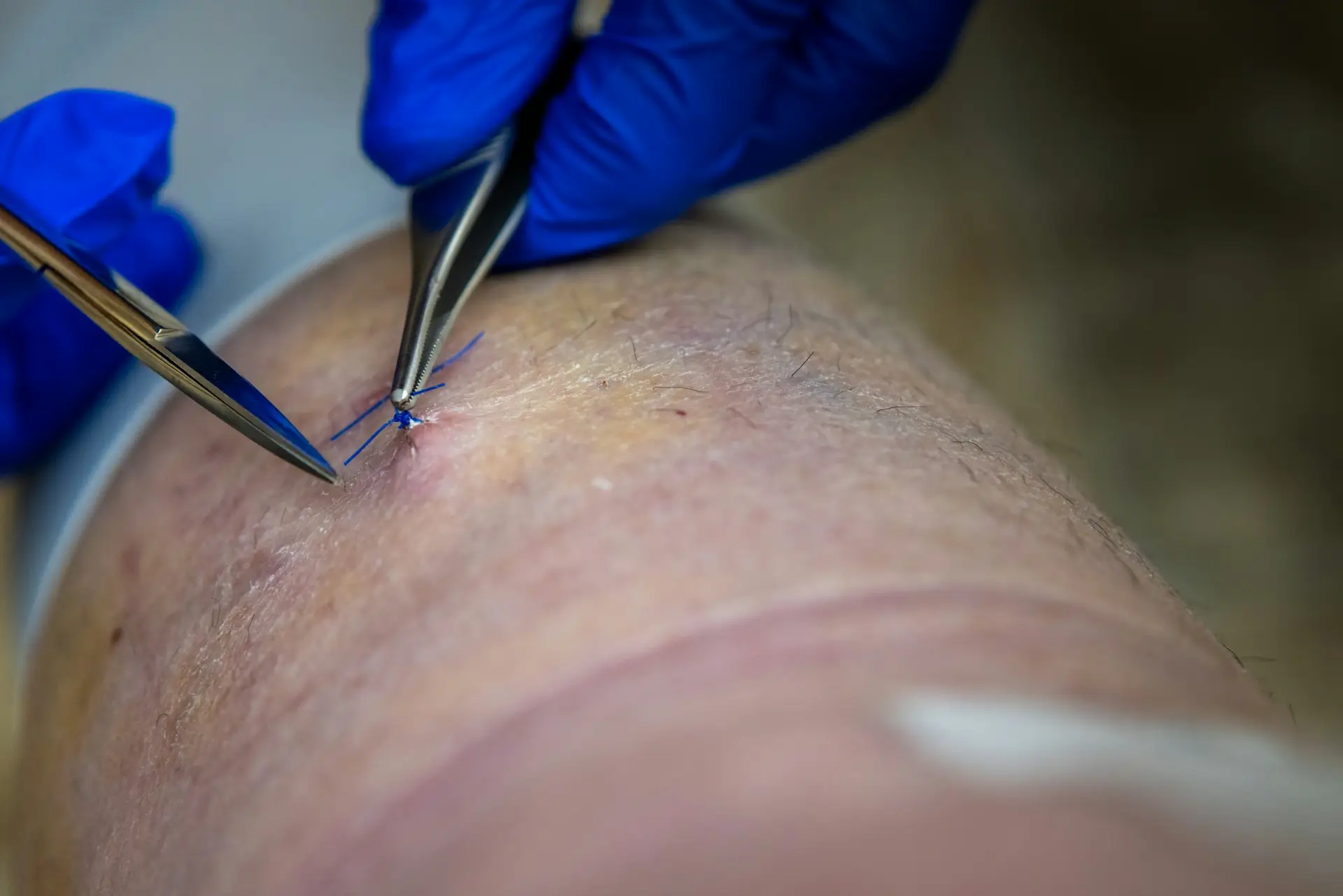
The surgery is usually performed arthroscopically, a minimally invasive technique using small incisions. A camera allows the surgeon to view the inside of the knee and perform the procedure with precision. Depending on the type of tear, the surgeon may repair the meniscus or remove the damaged portion. This method minimizes damage to surrounding tissues and allows for a faster recovery. The primary goal is to preserve as much of the meniscus as possible.
Recovery process after surgery
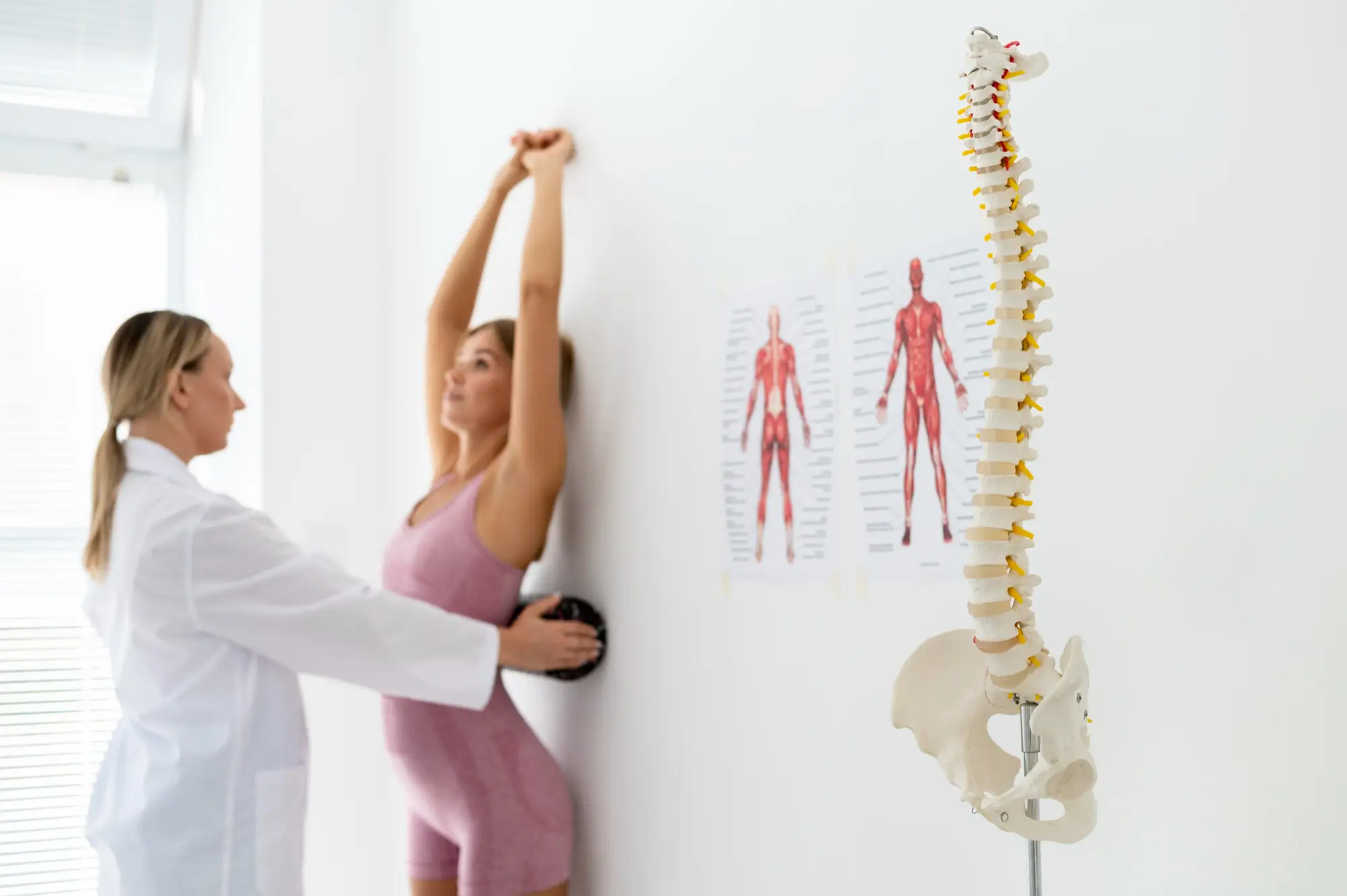
Recovery varies depending on the type of procedure. After a meniscectomy, a return to activities is generally quick. However, after a repair, the process is longer and requires more precautions. Rehabilitation is essential for restoring mobility and muscle strength. Resuming activities too quickly can increase the risk of recurrence.
Treatment Planning
Treatment Stages
01
Application
It begins with you communicating your complaints and medical reports through the contact channels on our website (contact form, email, WhatsApp, call center, etc.).
02
Medical Evaluation and Planning
Your files reviewed by expert doctors are presented to you with the most appropriate treatment and pricing plan.
03
Arrival in Turkey
After you approve your treatment, you will be welcomed at the airport and all necessary information will be provided to you. Your treatment and transfers are planned by us from start to finish.
04
Departure from Turkey
When you are discharged, your medical reports will also be delivered to you in your native language. After you return to your country, your health monitoring will continue, and online consultations with your doctor will be organized if needed.
Meniscus Treatment in Turkey
Turkey is one of the most advanced countries in orthopedics, with modern facilities and experienced specialists. Meniscus treatments are performed there according to high international standards. In this context, Kanalar Health Tourism organizes the entire medical journey for patients, from evaluation to follow-up, providing comprehensive care that includes medical coordination, accommodation, and transfers, to ensure a seamless, safe, and professional experience.
Get answers
Frequently asked questions about the meniscus
In some cases, symptoms may improve, but not all tears heal completely.
No, treatment depends on the severity and symptoms.
Yes, but it can cause pain and instability.
Yes, especially in cases of overuse or improper rehabilitation.