Orthopedic Treatments in Turkey 2026 - Kanalar Health Tourism
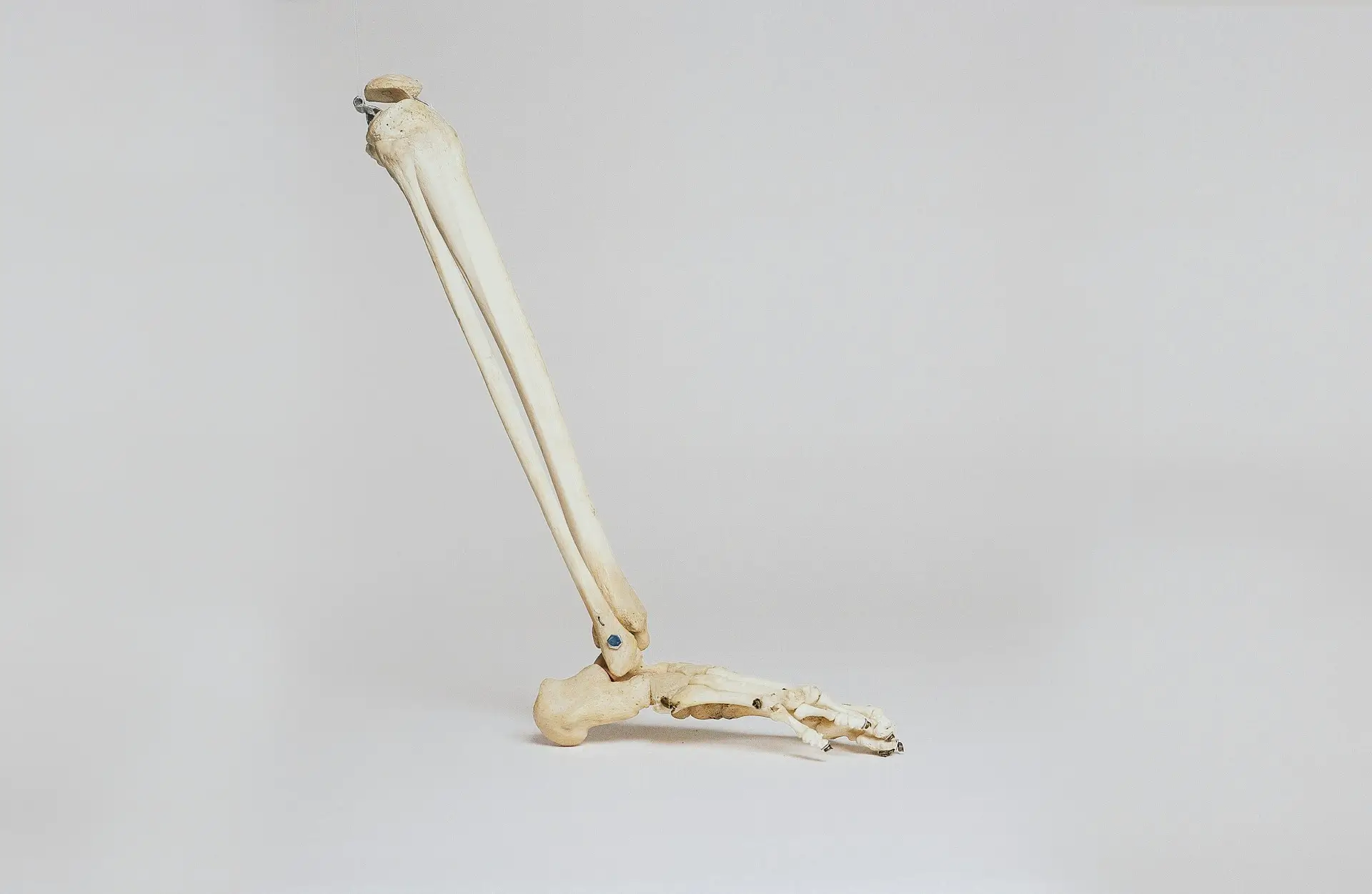
Orthopedics and traumatology is a medical specialty that diagnoses and treats diseases of the musculoskeletal system, including bones, joints, muscles, ligaments, and tendons. This discipline covers a wide range of conditions, from congenital anomalies to age-related degenerative diseases, sports injuries, and trauma resulting from accidents. Proper functioning of the musculoskeletal system is directly related to a person's mobility and independence. Orthopedic disorders can cause not only pain but also significant limitations in daily activities. Early diagnosis and appropriate treatment planning play a decisive role in preventing these pathologies from worsening. Traumatology, on the other hand, focuses on sudden injuries that often require emergency intervention. Traffic accidents, falls, and sports-related injuries are the most common causes. Fractures, dislocations, ligament and tendon injuries are among the most frequently treated problems. The combined approach of orthopedics and traumatology ensures comprehensive treatment of acute and chronic conditions. Treatment is personalized according to the patient's age, lifestyle, and expectations, aiming not only to treat the existing pathology but also to permanently preserve mobility and quality of life.
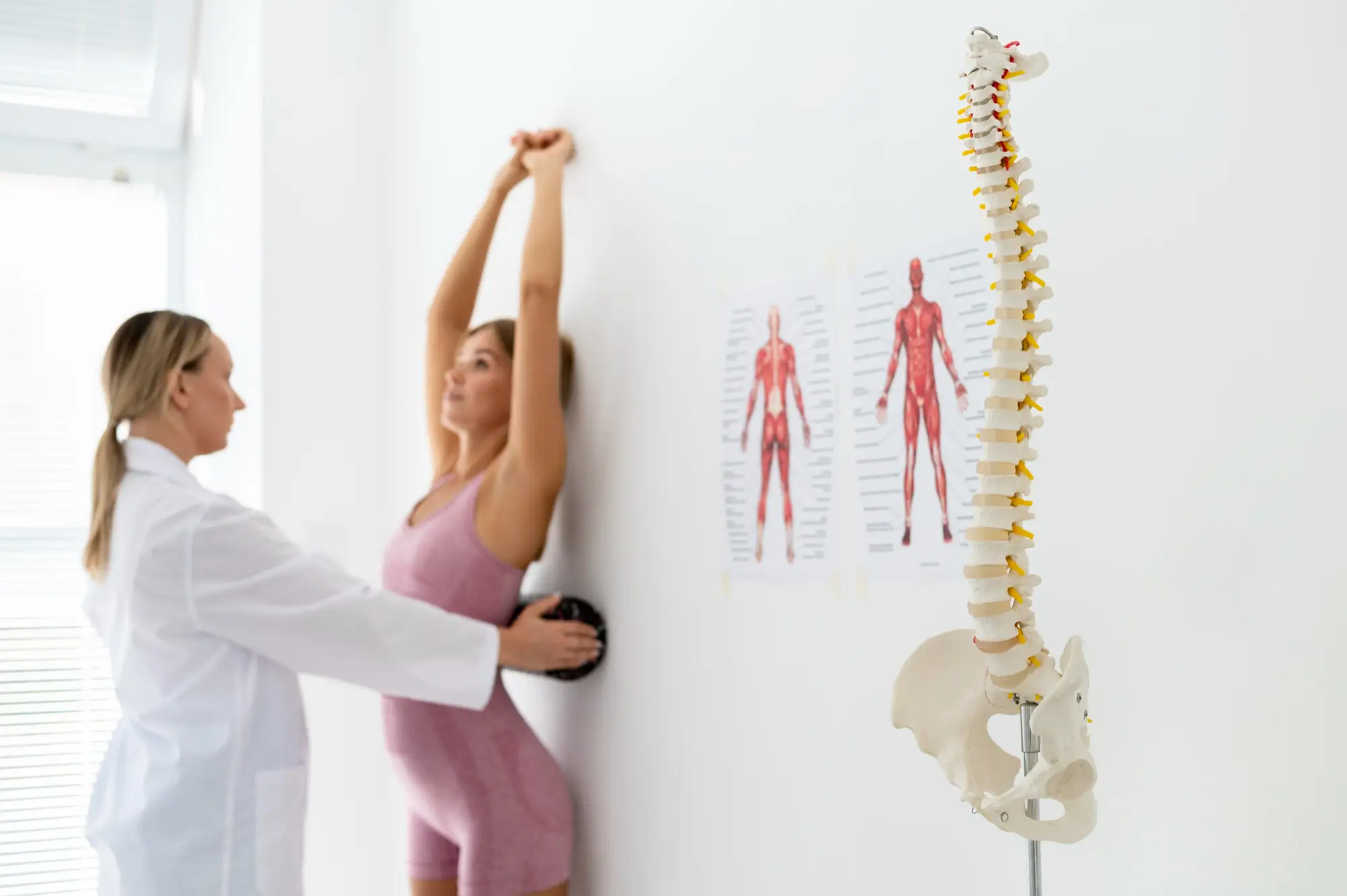
The role of the orthopedic surgeon is not limited to performing surgical procedures. This specialist is involved from the clinical evaluation phase, directs the patient toward the appropriate examinations, and determines whether a conservative or surgical approach is best suited to their situation. The relationship between the patient and their orthopedic surgeon is based on continuous follow-up, from the initial diagnosis through to the end of rehabilitation. Furthermore, choosing an orthopedic clinic equipped with comprehensive technical facilities and multidisciplinary teams is a decisive factor in the quality of care. Suitable infrastructure not only allows procedures to be carried out under optimal conditions but also ensures structured postoperative support. This is why it is essential to turn to establishments recognized for their expertise in orthopedics and traumatology.
What diseases does orthopedics treat?
Orthopedics and traumatology treat many diseases and injuries affecting the musculoskeletal system. These conditions may develop gradually over time or appear suddenly as a result of trauma. Early treatment often leads to better therapeutic outcomes thanks to simpler and more effective treatments in many cases.
• Osteoarthritis: Wear and tear of the joint cartilage causes pain and limited movement.
• Cervical and lumbar disc herniations: Compression of the nerves by the intervertebral discs causes pain and neurological disorders.
• Scoliosis and spinal deformities: They disrupt body posture and balance.
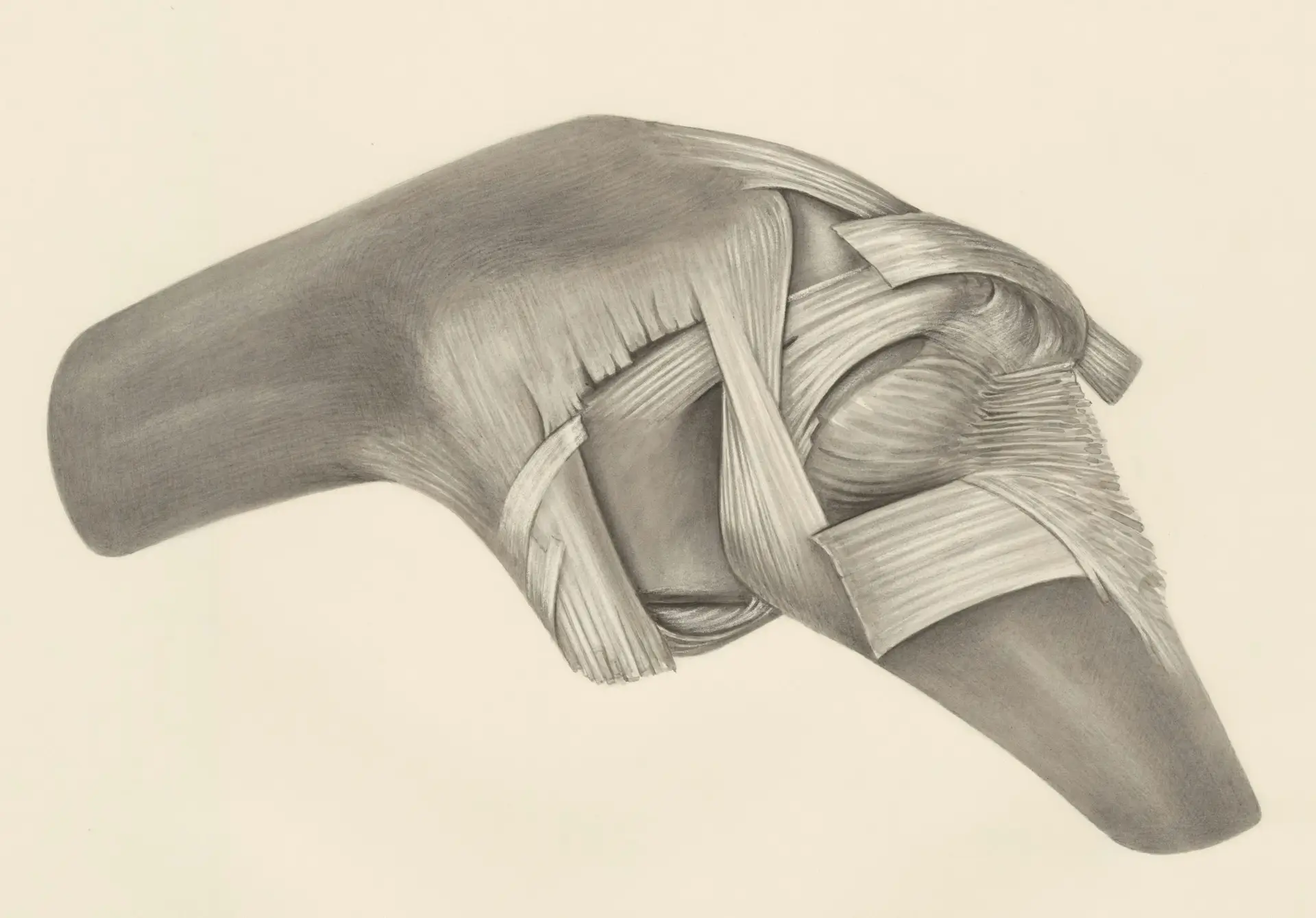
• Meniscus and ligament tears can cause locking, swelling, and pain in the knee.
• Muscle and tendon tears: These are usually related to overexertion or sports activities.
• Congenital orthopedic disorders: These are disorders that require early intervention, such as congenital hip dislocation.
• Osteoporosis: Decreased bone density increases the risk of fractures.
Orthopedic approach to knee, hip, and shoulder pain
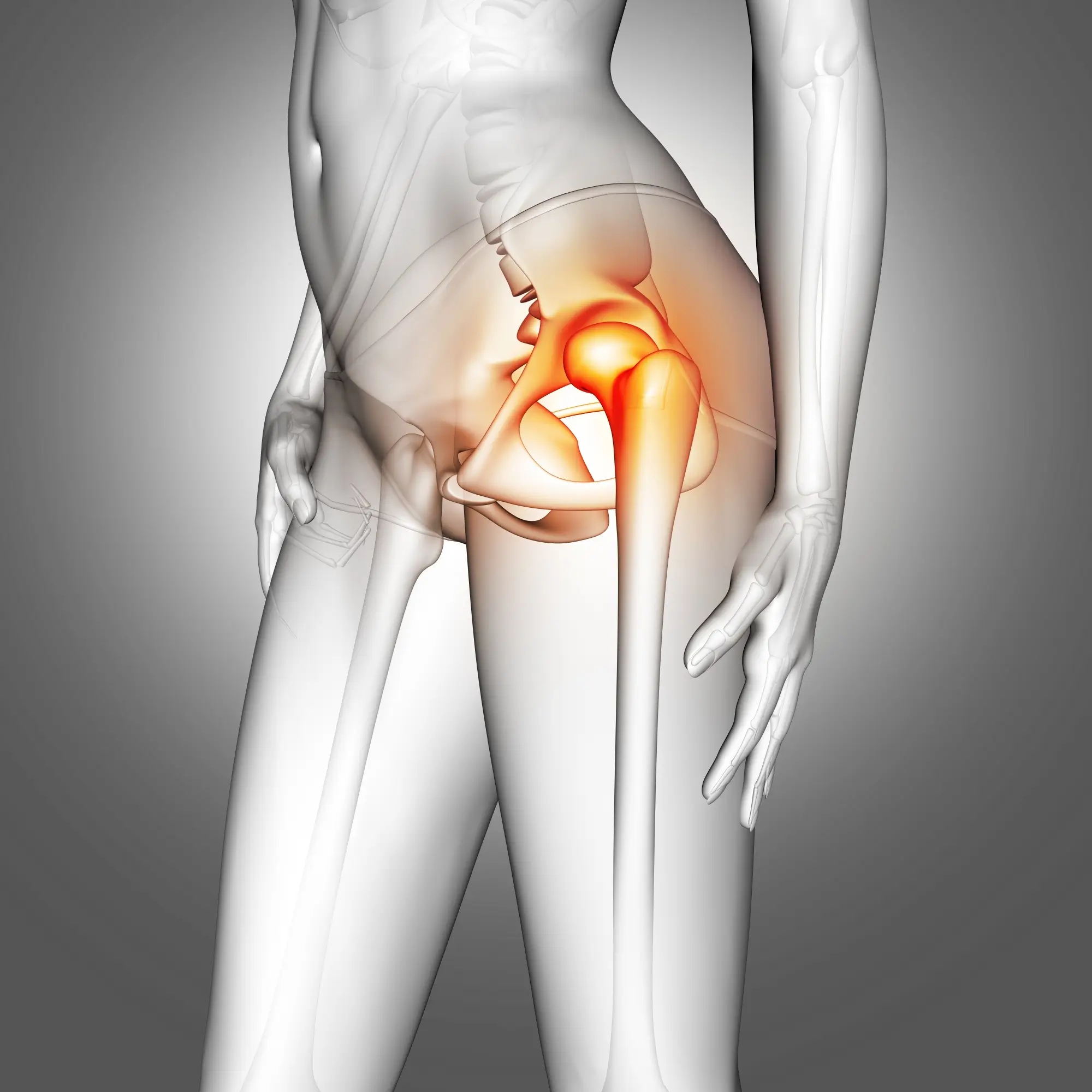
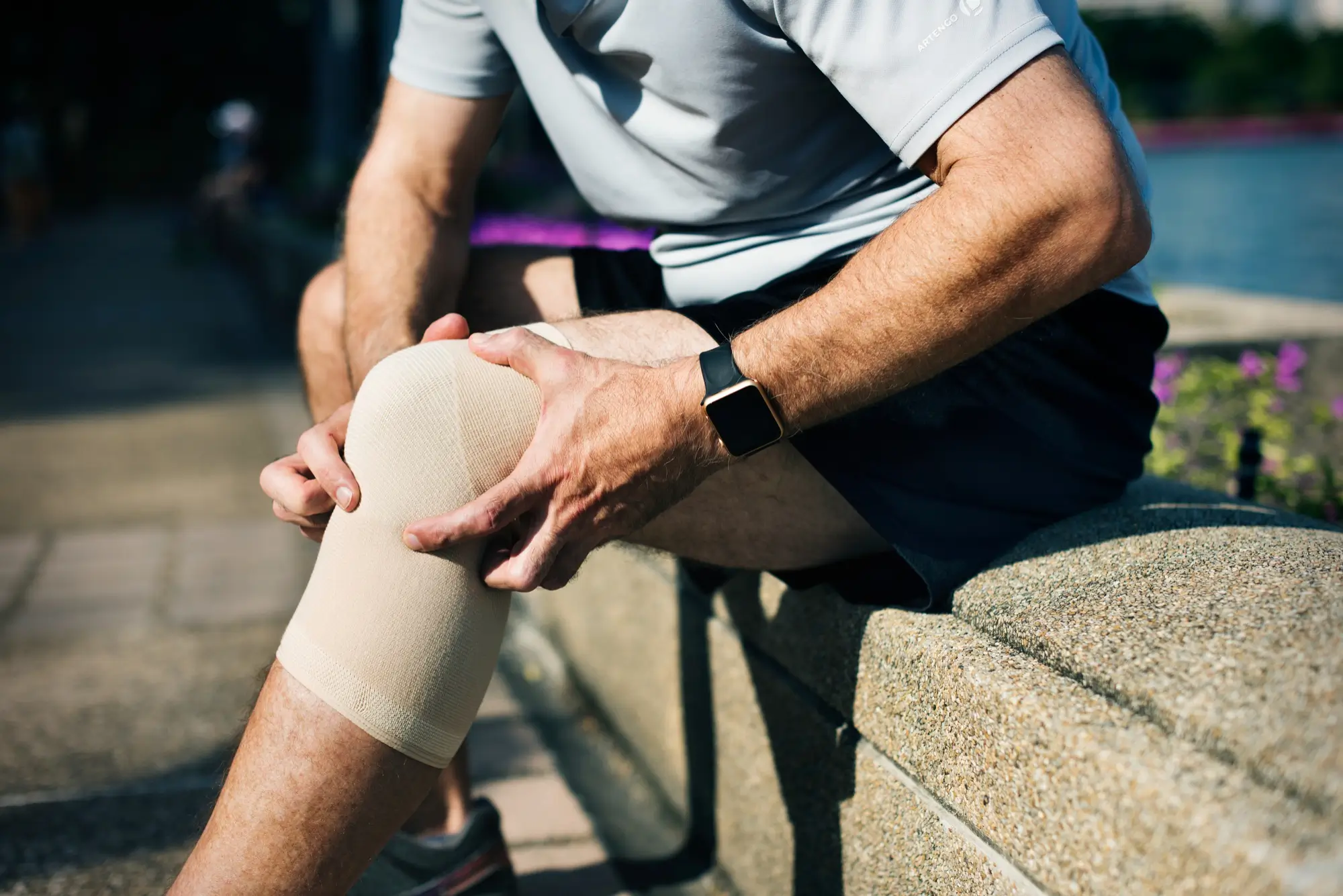
Knee, hip, and shoulder pain are among the most common complaints in orthopedics. These joints carry a significant load and are used intensively in daily life. Pain can cartilage damage, ligament injuries, muscle imbalances, or intra-articular disorders. Orthopedic evaluation involves a comprehensive clinical examination and imaging tests to definitively determine the source of the pain. Treatment is tailored to each patient and may include medication, physical therapy, injections, or surgical intervention. The goal is not only to relieve pain, but also to preserve joint function and prevent the progression of lesions. The patient's age and lifestyle are also taken into account in the treatment strategy.
Reach Out to Us
GET ADVICE NOW
Treatment of fractures, dislocations, and sprains
Fractures, dislocations, and sprains are orthopedic conditions that usually occur as a result of sudden trauma and require rapid intervention. A fracture is a break in the continuity of a bone, while a dislocation is a displacement of joint surfaces from their normal positions. Sprains occur when ligaments and soft tissues are stretched or torn. , an accurate diagnosis is crucial. Treatment options may include immobilization with a cast or splint, closed or open reduction, and surgical fixation. The rehabilitation phase plays an important role in regaining muscle strength and joint mobility. Without proper follow-up, permanent functional limitations or chronic pain may occur.
When faced with a fracture, dislocation, or sprain, the speed of consultation with an orthopedist directly influences the functional prognosis. An experienced orthopedist is able to assess the severity of the injury, distinguish a simple injury from a complex lesion requiring surgical fixation, and define an appropriate rehabilitation protocol within the first days following the trauma. This early and specialized management considerably reduces the risk of long-term complications.
When is orthopedic surgical intervention necessary?
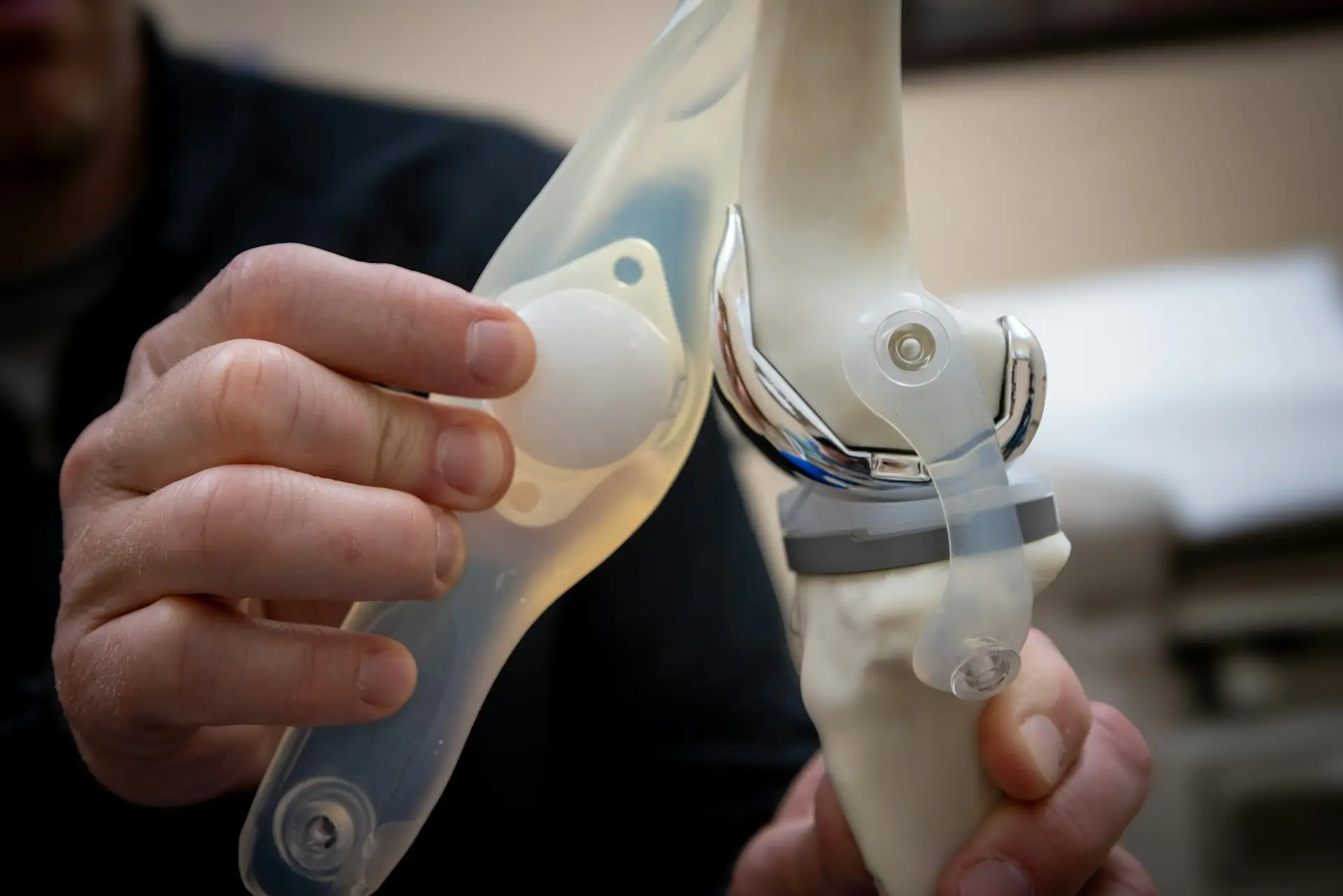
Orthopedic surgical interventions are considered when conservative treatments do not provide sufficient improvement or when the pathology significantly affects daily life. Advanced osteoarthritis, severe ligament injuries, recurrent joint blockages, or spinal deformities may require surgical intervention. The decision to operate depends not only on imaging tests, but also on the severity of pain and the degree of functional loss. Thanks to modern minimally invasive surgical techniques, postoperative recovery times have been significantly reduced today. The goal of surgery is to reduce pain, restore joint stability, and enable the patient to lead an active life. Postoperative rehabilitation plays a crucial role in the success of treatment.
Diagnostic and imaging methods in orthopedics
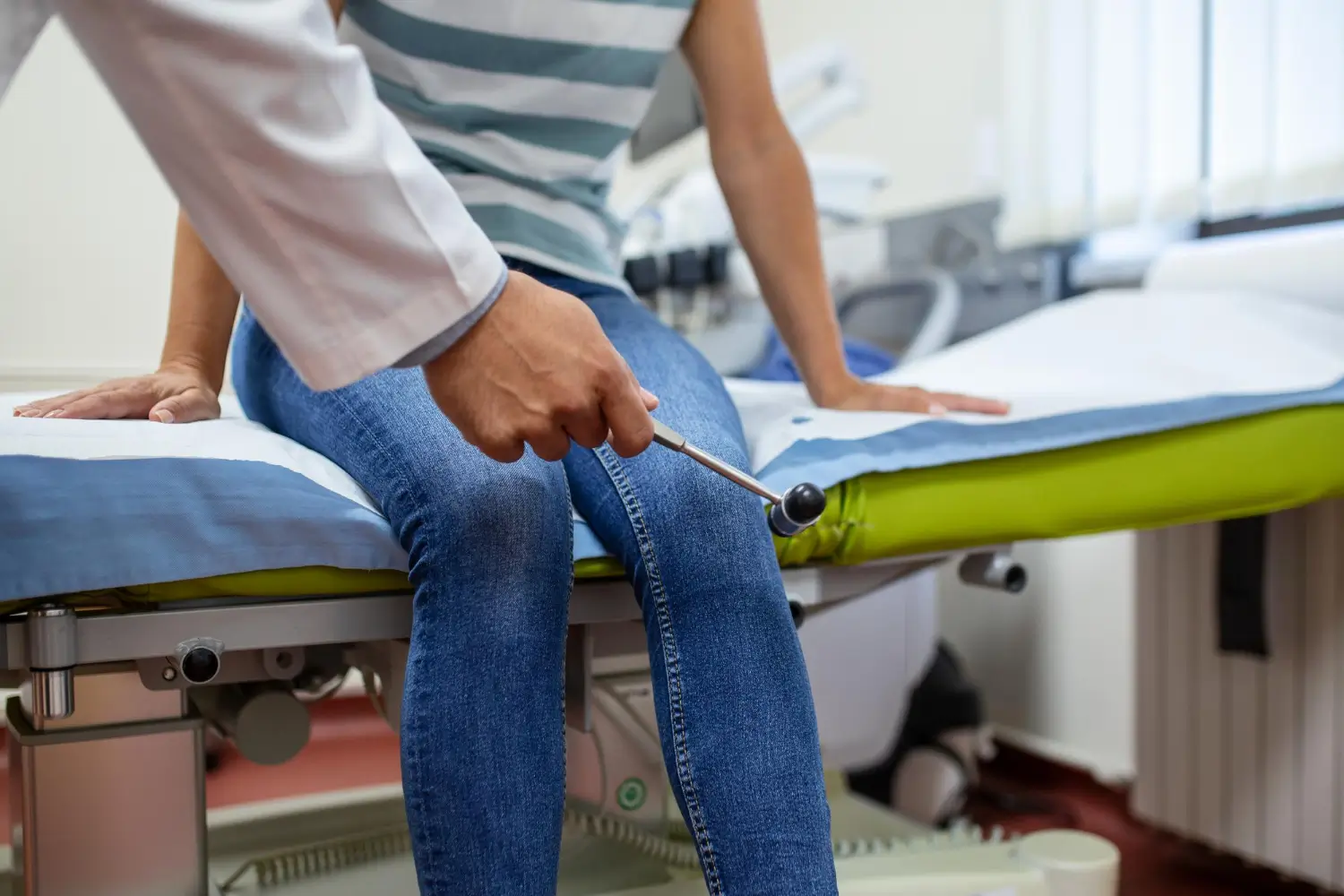
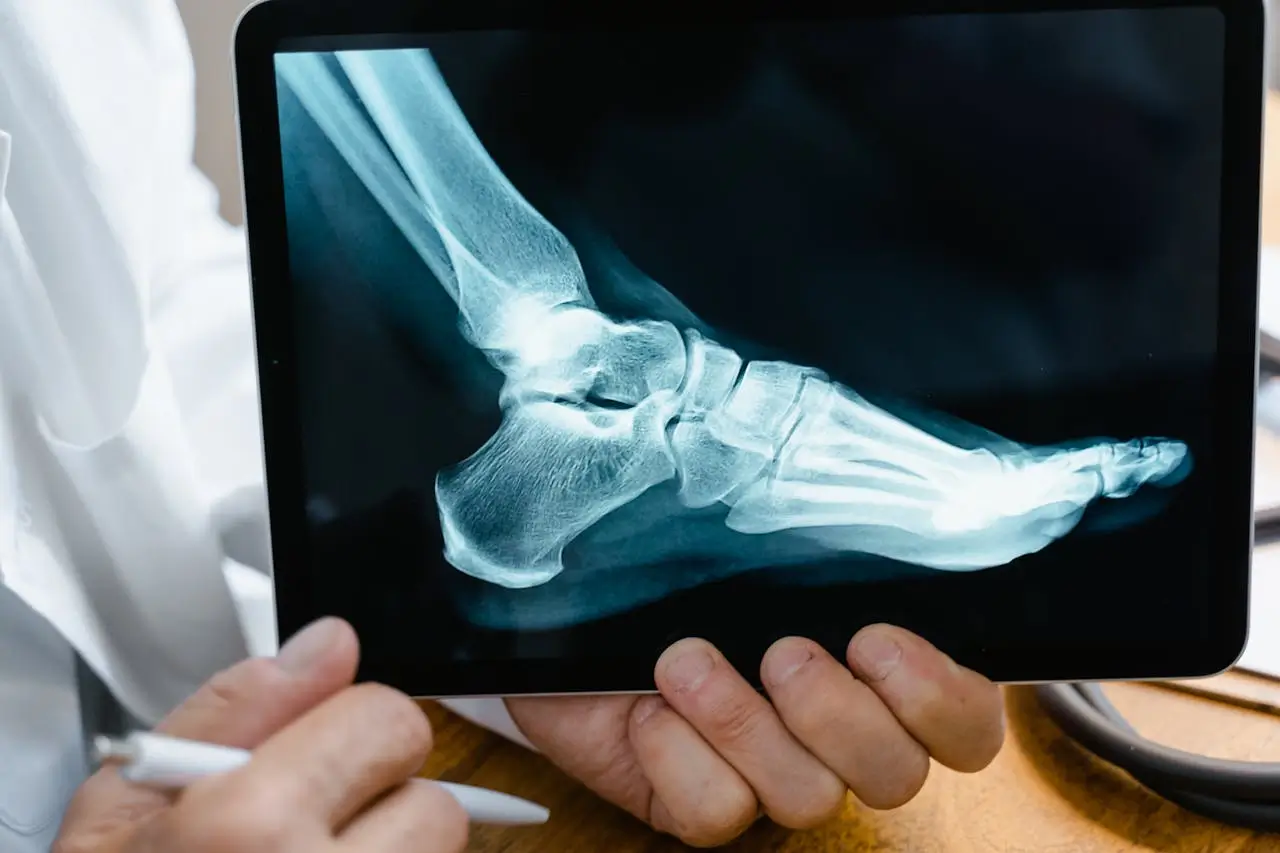
Accurate diagnosis is the foundation of successful orthopedic treatment. The evaluation begins with a detailed clinical examination and is completed with various medical imaging techniques. Radiography is commonly used to analyze bone structure and joint alignment. Magnetic resonance imaging (MRI) provides detailed information about ligaments, menisci, and soft tissues. Computed tomography (CT) is preferred for examining complex fractures and bone structures. Ultrasonography can be useful in evaluating muscle and tendon pathologies. These tools make it possible to accurately determine the stage of the disease and create an appropriate treatment plan by preventing unnecessary interventions.
Treatment Planning
Treatment Stages
01
Application
It begins with you communicating your complaints and medical reports through the contact channels on our website (contact form, email, WhatsApp, call center, etc.).
02
Medical Evaluation and Planning
Your files reviewed by expert doctors are presented to you with the most appropriate treatment and pricing plan.
03
Arrival in Turkey
After you approve your treatment, you will be welcomed at the airport and all necessary information will be provided to you. Your treatment and transfers are planned by us from start to finish.
04
Departure from Turkey
When you are discharged, your medical reports will also be delivered to you in your native language. After you return to your country, your health monitoring will continue, and online consultations with your doctor will be organized if needed.
Orthopedic treatments in Turkey
Thanks to its advanced medical infrastructure, experienced specialist physicians, and the use of modern surgical techniques, Turkey is among the leading countries in the field of orthopedics and traumatology. The careful coordination of the diagnosis, treatment, and rehabilitation phases are meticulously coordinated, which is a significant advantage for patients. Conservative or surgical orthopedic treatments are performed in accordance with international medical standards using a multidisciplinary approach to optimize results. In this context, Kanalar Health Tourism contributes to the organization of all stages of the treatment process for individuals considering orthopedic treatment. From the diagnosis phase to treatment planning to follow-up and recovery, the entire process is coordinated in a structured manner. The goal is to provide patients with access to reliable, planned, and transparent treatment. Kanalar Health Tourism accompanies patients so they can focus entirely on their treatment in a safe and controlled environment.
Get answers
Frequently asked questions about orthopedics
Some mild pains may be temporary, but persistent pains should be evaluated.
No, many conditions can be treated without surgery.
The duration varies depending on the condition and can range from a few weeks to several months.
Yes, in most cases, you can continue sports after appropriate rehabilitation and medical advice.
There is a risk of recurrence, especially if lifestyle changes are not made.