Arthrodesis in Turkey in 2026 - Kanalar Health Tourism
Arthrodesis is a surgical technique that stabilizes the joint, reduces pain, and improves quality of life in cases of advanced damage.
Basic information about arthrodesis:
Procedure Time: 2–3 hours
Time to Return to Normal Life: 12–16 weeks
Hospital Stay Duration: 2–4 nights
Full Recovery Time: 6–12 months
Mobility Time: 6–8 weeks
Expected Results: Stable and pain-free joint
What is arthrodesis (joint fusion)?
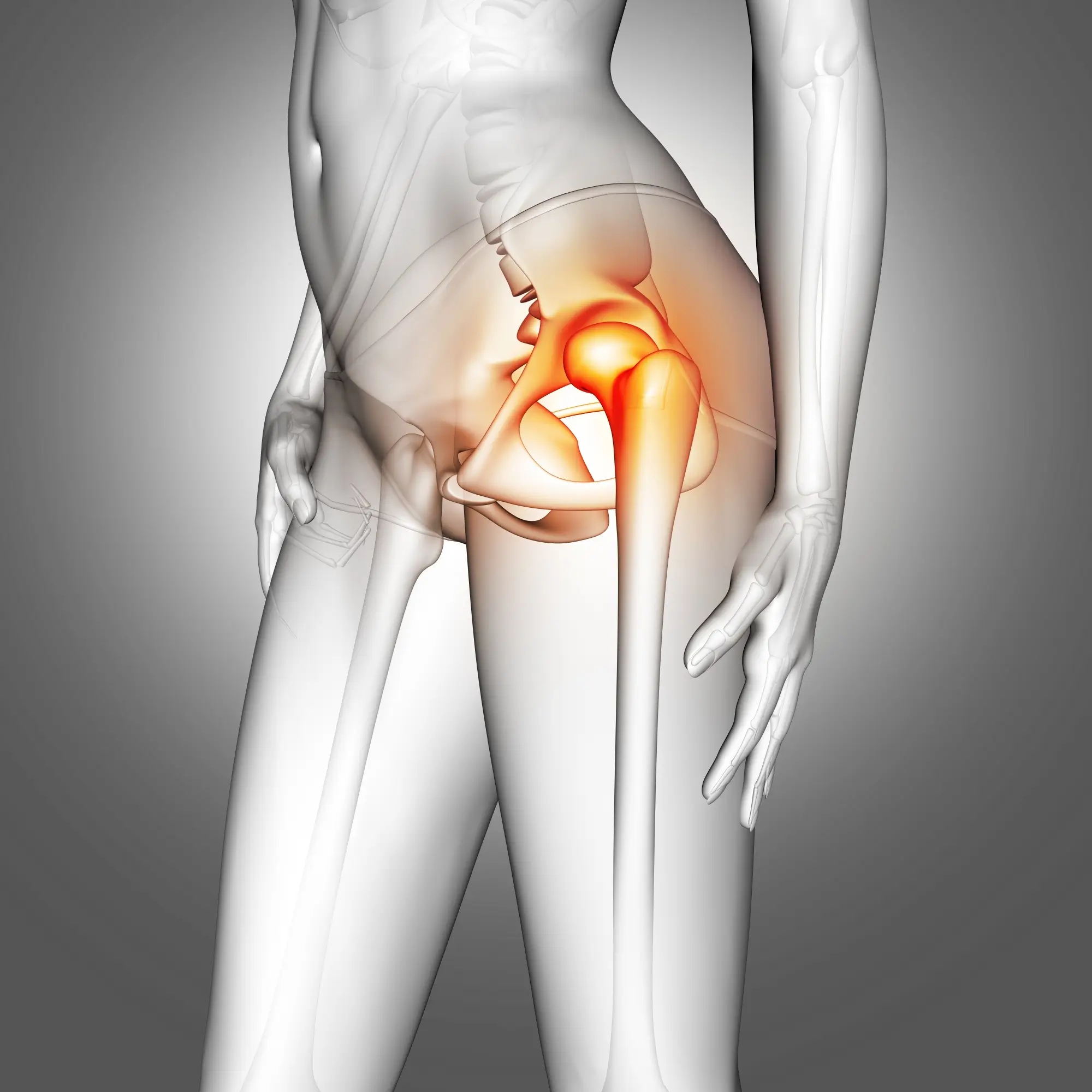
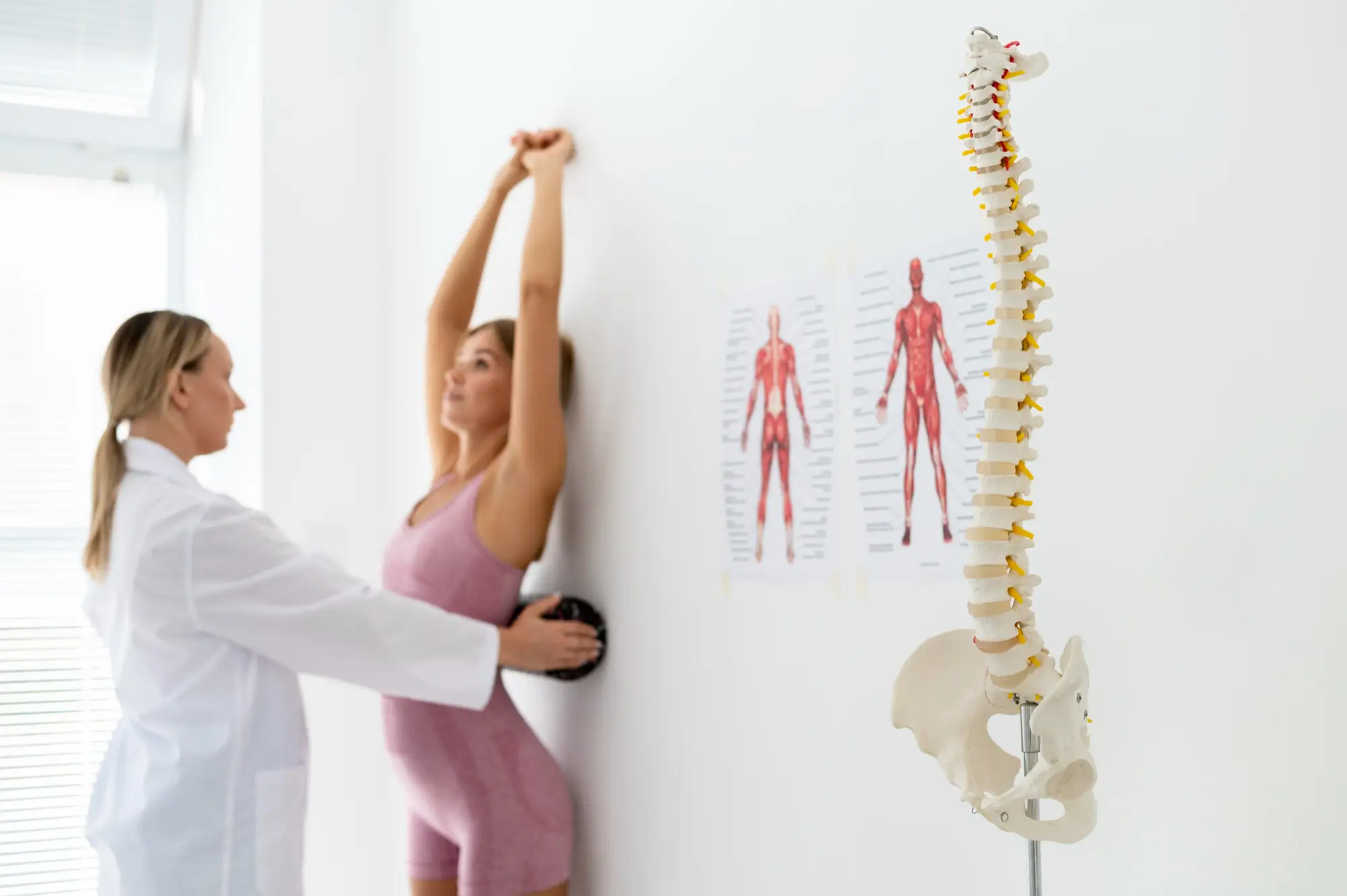
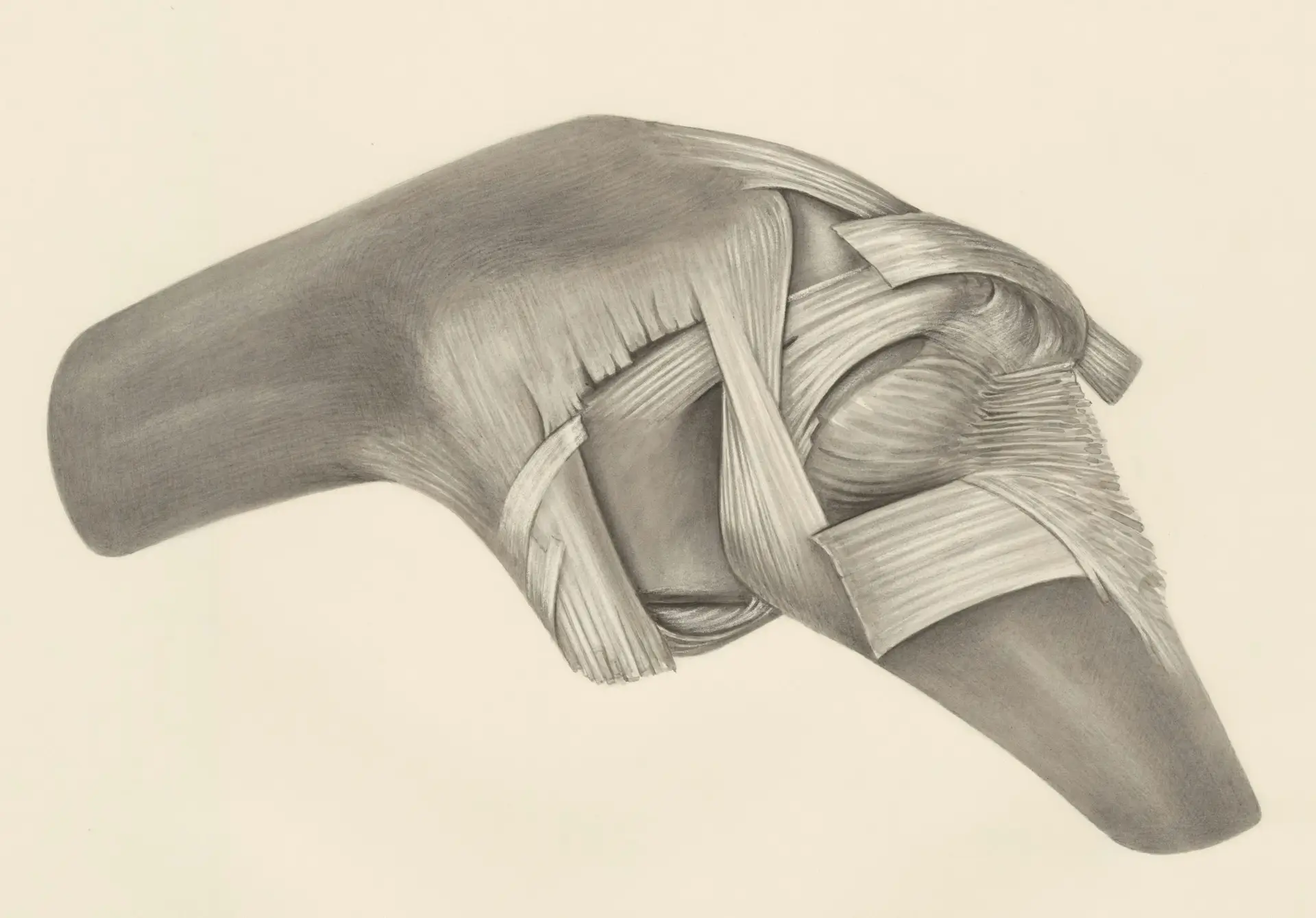
Arthrodesis, commonly known as 'joint locking,' is a surgical technique used in cases of severe joint damage. It involves removing the damaged joint surfaces and fusing the bones to make the joint immobile. The primary goal is to eliminate pain and create a stable structure in a joint that has become dysfunctional. This method is particularly indicated in cases of advanced osteoarthritis, post-traumatic deformities, or following unsuccessful surgical procedures. Although the loss of mobility may seem negative, in certain situations, maintaining a mobile joint leads to more pain and functional limitation. Arthrodesis therefore prioritizes comfort and stability over movement. With proper patient selection and appropriate planning, this technique results in a stable, pain-free joint, thereby improving quality of life.
In which cases is arthrodesis used?
Arthrodesis is generally indicated when other treatments are no longer effective in advanced joint conditions. It is frequently used in cases of severe osteoarthritis, rheumatoid arthritis, or post-traumatic joint deformities. When joint surfaces are severely damaged and pain can no longer be controlled, arthrodesis provides a reliable solution to relieve the patient’s suffering. It may also be considered in cases of joint infections, prosthetic failure, or instability caused by nerve damage. In situations where joint stability is completely compromised and daily activities become difficult, this technique offers an effective solution. Even though it results in a loss of movement, a stable and pain-free joint can represent a significant functional gain.
Price of Arthrodesis
The price of arthrodesis in Turkey with Kanalar Health Tourism varies depending on the joint treated, the number of levels fused, and the osteosynthesis material used. The amount generally ranges between 5.500 EURO and 9.500 EURO, including the preoperative assessment, the surgical procedure, the hospital stay, transfers, and follow-up during the consolidation phase. To receive a quote tailored to your profile, contact the Kanalar Health Tourism team.
Reach Out to Us
GET ADVICE NOW
Difference between arthrodesis and joint replacement
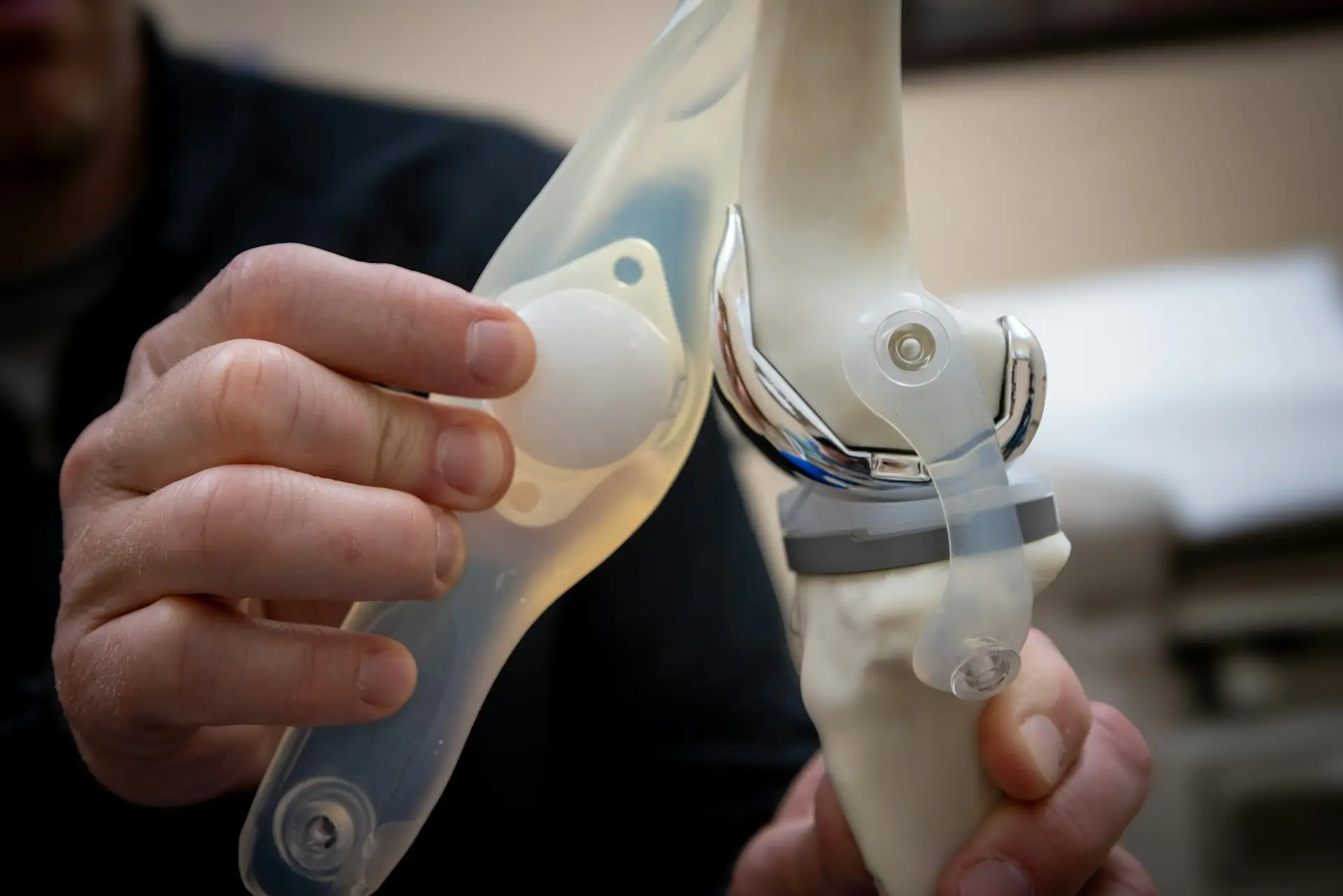
Arthrodesis and joint replacement are two different surgical approaches. Joint replacement involves replacing the joint with an artificial implant to preserve movement. Arthrodesis, on the other hand, eliminates movement by fusing the bones. Thus, joint replacement aims to maintain mobility, while arthrodesis prioritizes stability and pain relief. The choice between these two techniques depends on several factors, such as the patient’s age, activity level, and the condition of the joint. In some cases, a prosthesis is not an option due to significant joint destruction or a high risk of infection, making arthrodesis the more appropriate choice.
Joints affected by arthrodesis
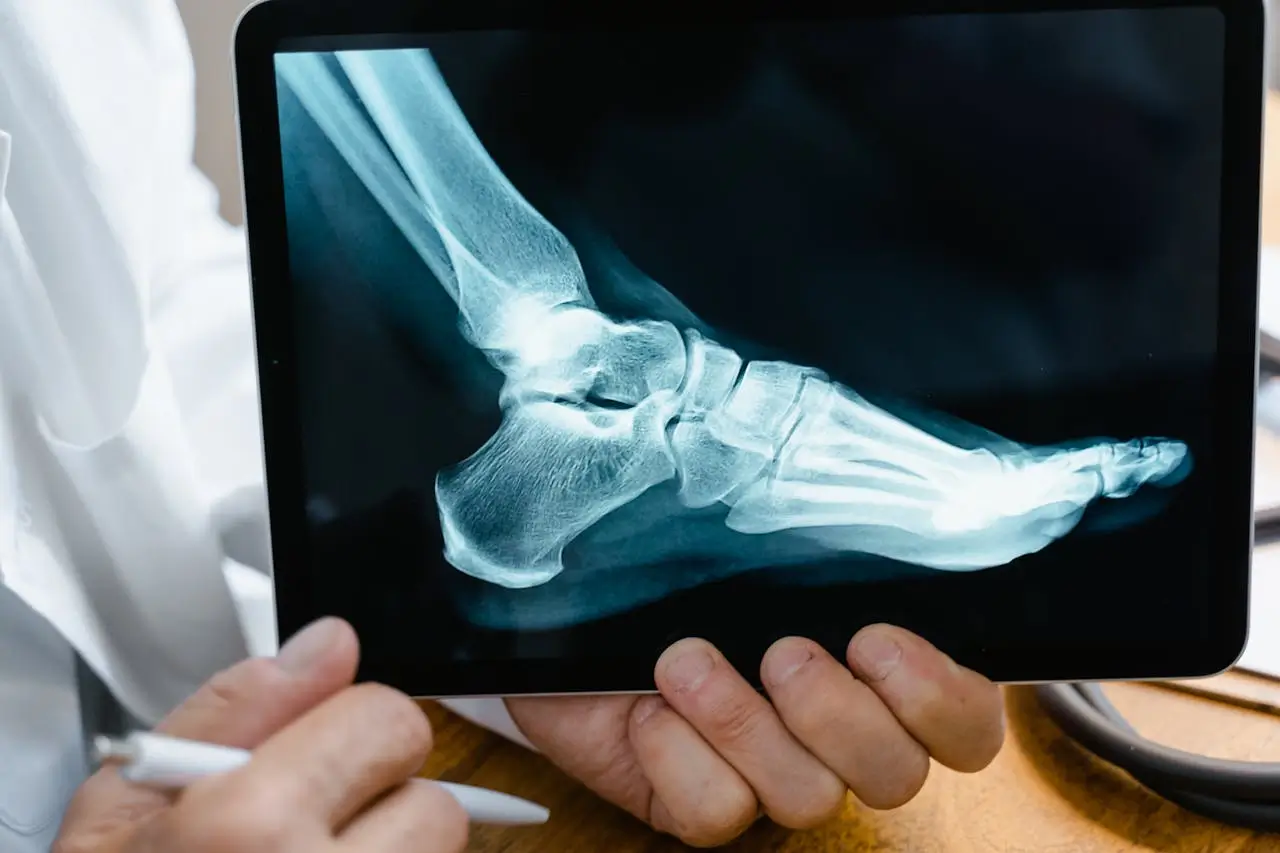
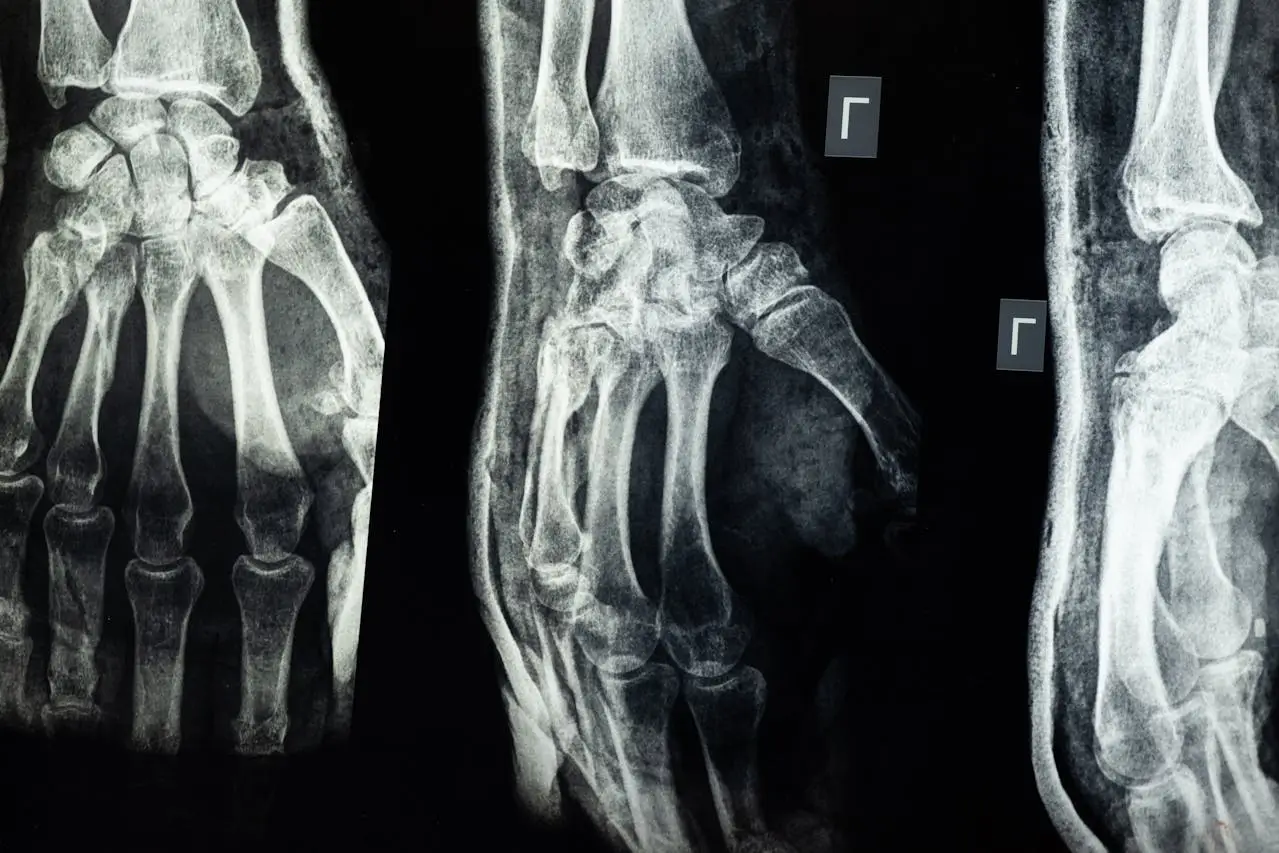
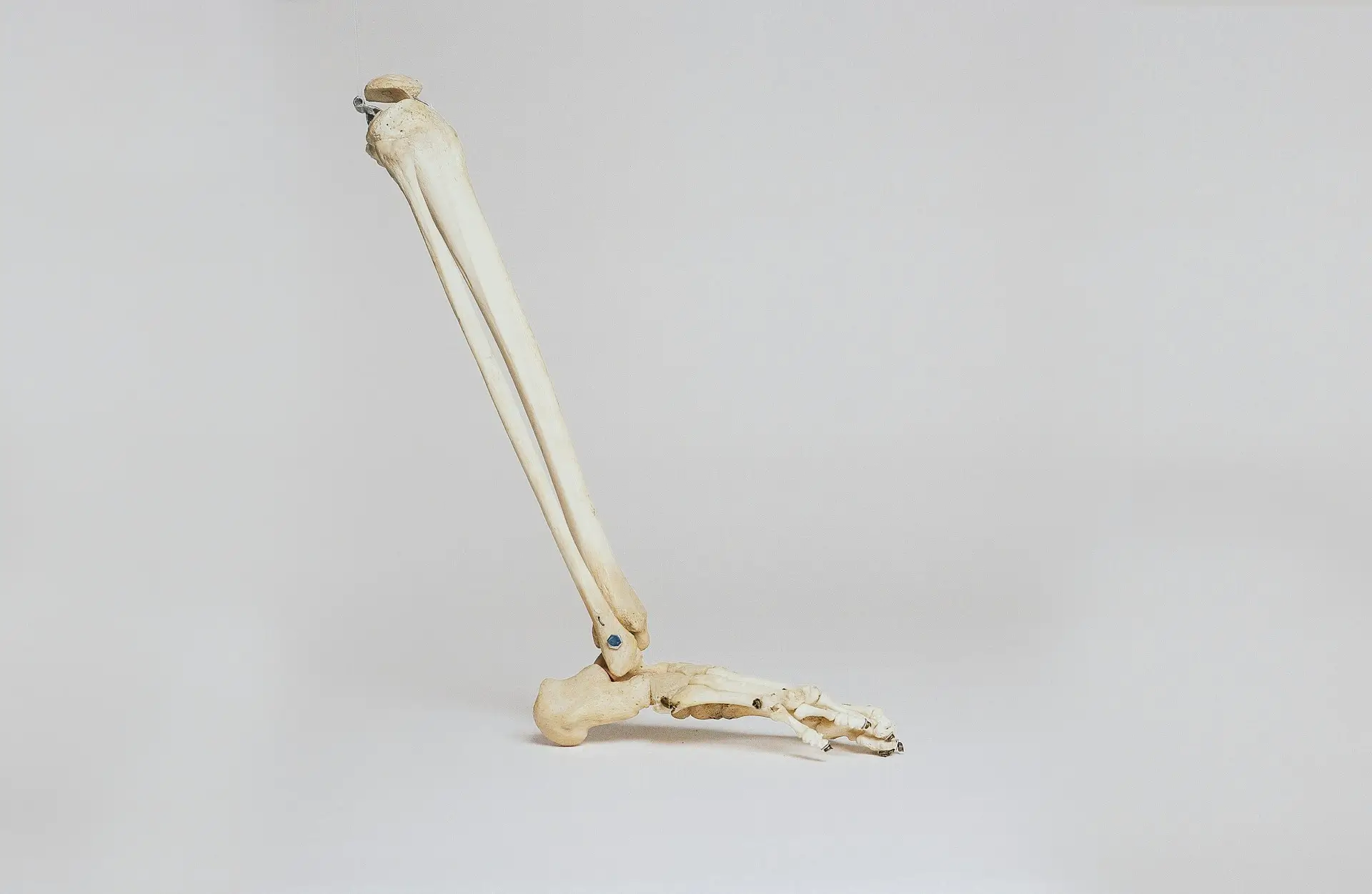
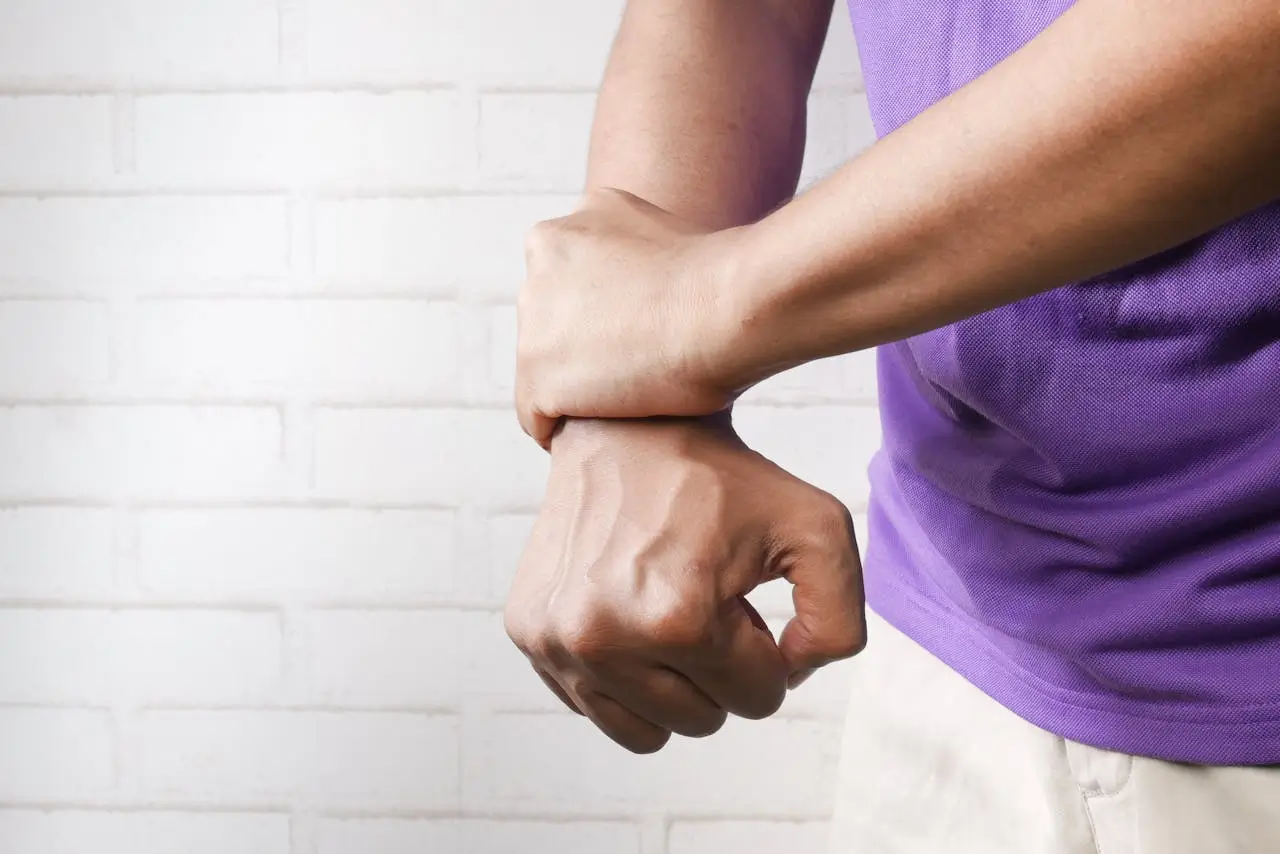
Arthrodesis can be performed on various joints in the body, but it is most commonly performed on weight-bearing or small joints. The ankle, joints of the foot, wrist, and spine are among the most common sites. For example, ankle arthrodesis is often used in cases of advanced osteoarthritis where stability takes priority over mobility. In the wrist and fingers, arthrodesis helps reduce pain while preserving effective grasping function. In the spine, known as spinal fusion, it aims to limit movement between the vertebrae in order to reduce pressure on the nerves and control pain. The choice of joint depends on the patient’s functional needs and lifestyle.
Preparation Before Surgery
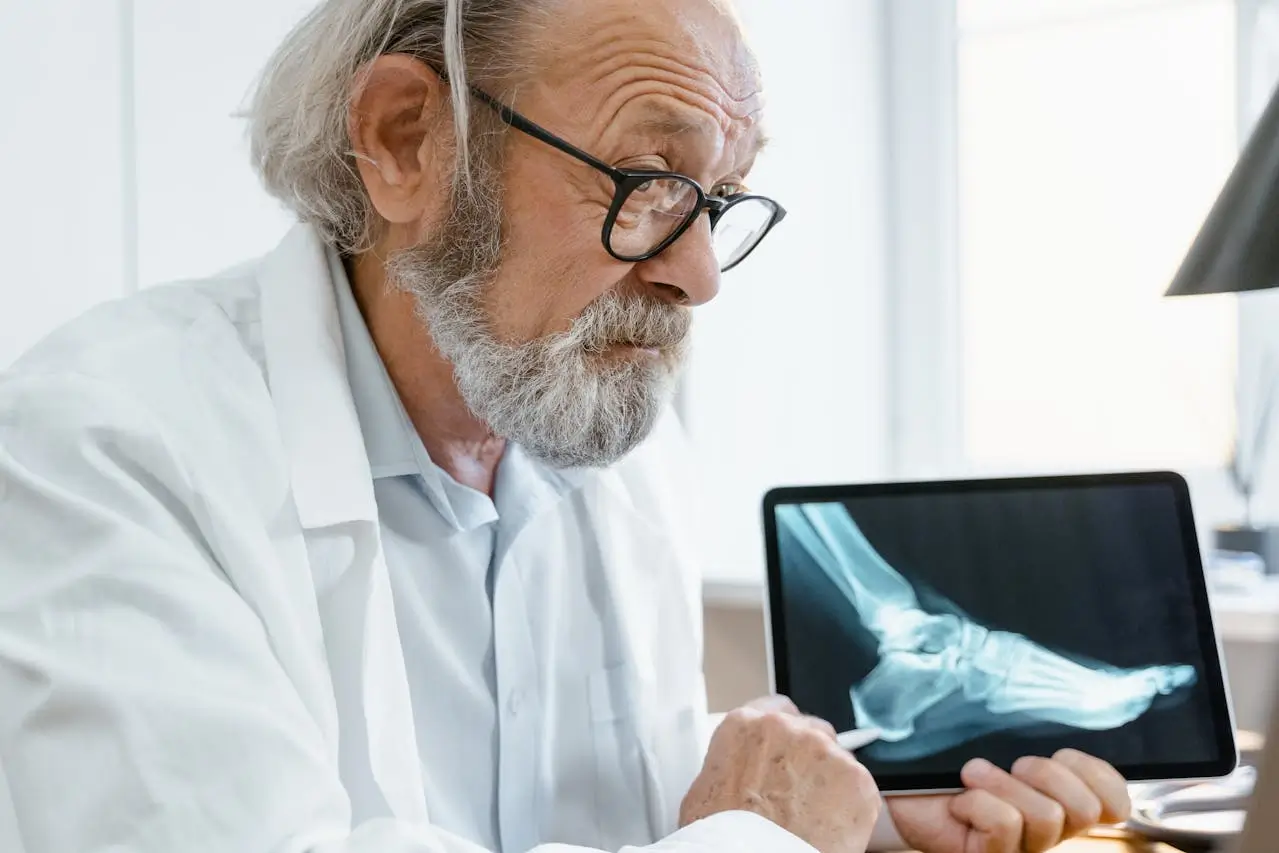
Before arthrodesis, a comprehensive medical evaluation is essential. The patient’s overall health, current treatments, and chronic conditions are assessed. Imaging tests such as X-rays, MRI, or CT scans allow for a precise assessment of the extent of joint damage and help plan the procedure. It is also essential to inform the patient about the goals of the surgery and the permanent loss of joint mobility. The patient must understand the expected benefits, particularly pain reduction and improved stability. Lifestyle, smoking, and diet must also be taken into account, as they influence bone healing.
How is the arthrodesis procedure performed?
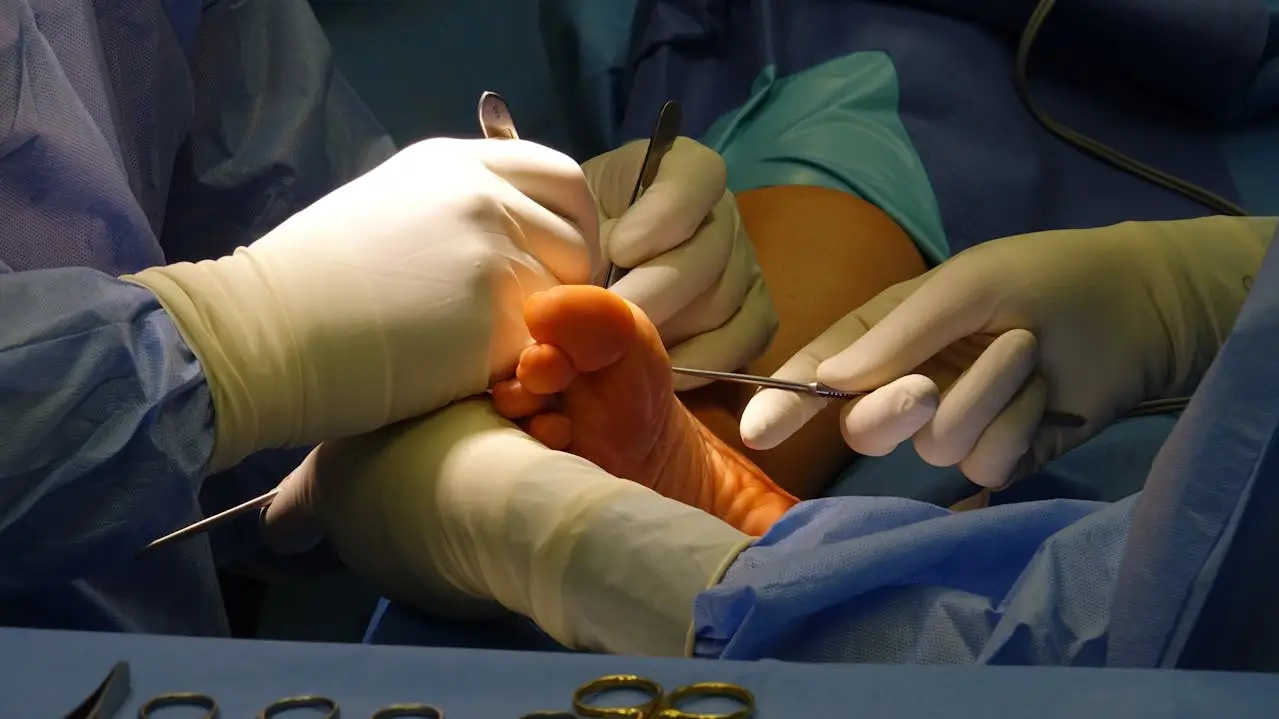
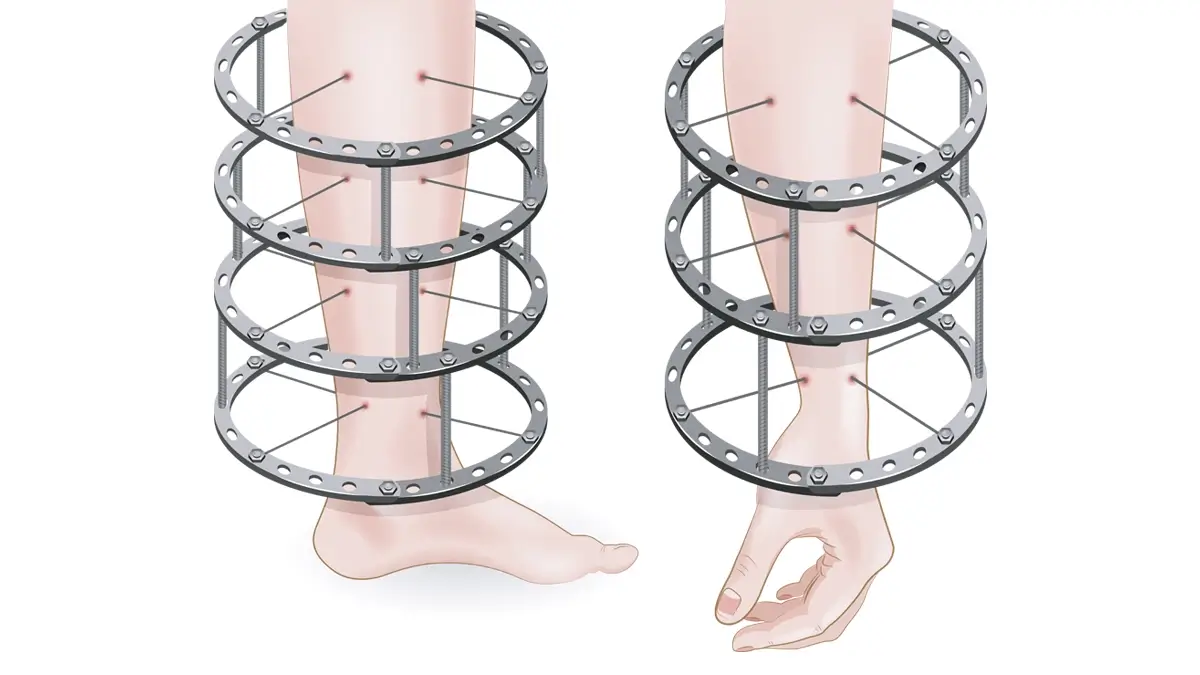
Arthrodesis is performed under general or regional anesthesia. The surgeon removes the damaged joint surfaces and prepares the bone ends to ensure they fit together properly. These bones are then fixed in place using screws, plates, or other stabilization devices. The goal is to allow the bones to gradually fuse into a single unit. In some cases, a bone graft may be used to promote healing. The duration and complexity of the procedure vary depending on the joint involved. The success of the surgery depends not only on the surgical technique but also on adherence to postoperative recommendations.
Recovery and Adjustment After Surgery
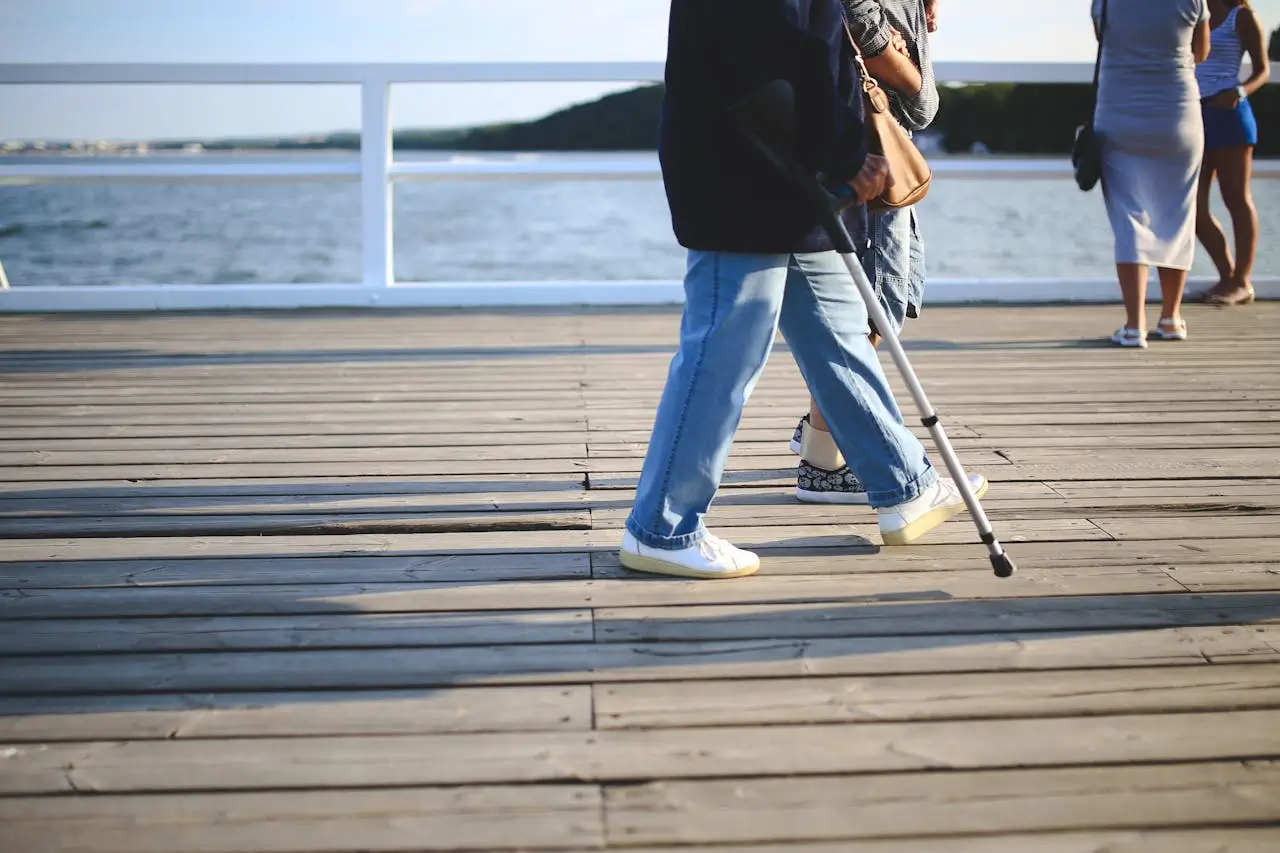
Recovery after arthrodesis takes time, as it relies on bone fusion. In the early stages, the joint is protected and weight-bearing is limited. Pain management, monitoring of healing, and infection prevention are essential. Bone healing can take several months. During this period, regular medical follow-up and sometimes physical therapy are necessary. Adhering closely to recommendations leads to a solid fusion and a significant reduction in pain. After arthrodesis, the affected joint loses all mobility. Although this may seem restrictive, the elimination of pain often improves quality of life. For many patients, a stable, pain-free joint is more functional than a painful, unstable one. Over time, the body adapts to this loss of movement. Neighboring joints partially compensate for this limitation. However, it is important to avoid excessive strain and adopt new movement habits. With proper adaptation, patients can lead independent lives.
Treatment Planning
Treatment Stages
01
Application
It begins with you communicating your complaints and medical reports through the contact channels on our website (contact form, email, WhatsApp, call center, etc.).
02
Medical Evaluation and Planning
Your files reviewed by expert doctors are presented to you with the most appropriate treatment and pricing plan.
03
Arrival in Turkey
After you approve your treatment, you will be welcomed at the airport and all necessary information will be provided to you. Your treatment and transfers are planned by us from start to finish.
04
Departure from Turkey
When you are discharged, your medical reports will also be delivered to you in your native language. After you return to your country, your health monitoring will continue, and online consultations with your doctor will be organized if needed.
Arthrodesis Treatment in Turkey
Turkey is one of the most advanced countries in the field of orthopedic surgery, with modern infrastructure, experienced teams, and state-of-the-art surgical techniques. Arthrodesis procedures are performed there according to high international standards. In this context, Kanalar Health Tourism professionally manages the entire medical journey for international patients, from the initial evaluation through to surgical planning and postoperative follow-up, ensuring medical coordination, accommodation, and transfers to provide a safe, structured, and comfortable treatment experience.
Get Answers
Frequently Asked Questions About Arthrodesis
In most cases, the pain decreases significantly or disappears.
A period of adjustment is necessary, but the body adapts over time.
Yes, bone fusion is permanent.
It depends on the joint, with a gradual return to weight-bearing.
Some low-impact activities are possible, but high-intensity sports are not recommended.