Stem Cell Therapy for Orthopedic Conditions in Turkey in 2026 - Kanalar Health Tourism
Stem cell therapy regenerates joint tissue, reduces pain, and improves mobility through a modern, targeted approach.
Basic information about stem cell therapy:
Procedure Time: 1–2 hours
Time to Return to Normal Life: A Few Days
Hospital Stay Duration: Outpatient
Full Recovery Time: 1-6 Months
Mobility Time: Immediate
Expected Results: Tissue Regeneration
What is stem cell therapy?
Stem cell therapy for orthopedic conditions is an innovative, biological therapeutic approach aimed at activating the body’s natural repair mechanisms to regenerate damaged tissue. It is particularly used to treat injuries to cartilage, tendons, ligaments, and muscles. Thanks to their ability to differentiate into various cell types, stem cells promote tissue repair by improving the quality and speed of regeneration in the treated area. This method can be used as an alternative to surgery or to support the recovery process following a surgical procedure. Today, this treatment is increasingly preferred for sports injuries, degenerative joint diseases, and chronic orthopedic conditions. As a minimally invasive procedure, it offers significant comfort to patients. However, it is not suitable for everyone. The treatment plan must be tailored to the patient’s age, the stage of the disease, and their overall health. A thorough medical evaluation is therefore essential.
Who is stem cell therapy intended for?
Stem cell therapy is generally more effective in patients with early- or moderate-stage orthopedic conditions. It is an attractive option for people who wish to avoid or delay surgery. Active individuals and athletes also use it to speed up their recovery. Additionally, patients suffering from persistent chronic pain may benefit from this approach when they do not achieve satisfactory results with conventional treatments. However, this treatment is not suitable for all patients. Cases of advanced osteoarthritis, severe deformities, or certain systemic diseases may limit its effectiveness. Similarly, the presence of infections or a history of cancer requires a thorough medical evaluation. The decision must always be made by an orthopedic specialist.
Price of Stem Cell Therapy
The price of stem cell therapy in Turkey with Kanalar Health Tourism is closely linked to the targeted joint area, the therapeutic protocol applied, and the number of sessions required. Prices generally range between 3.000 EURO and 5.000 EURO, including the preliminary medical assessment, the treatment procedures, accommodation, transfers, and clinical follow-up. For an estimate tailored to your specific needs, contact the Kanalar Health Tourism team.
Reach Out to Us
GET ADVICE NOW
Benefits of Stem Cell Therapy
The main benefit of stem cell therapy is that it supports the body’s natural healing mechanisms. It enables biological tissue regeneration without the need for major surgery. As a minimally invasive method, it carries fewer risks and does not require prolonged hospitalization. This treatment also helps reduce pain and improve joint mobility. When applied at an early stage, it can slow the progression of the disease. The use of the patient’s own cells significantly reduces the risk of an allergic reaction, making it a safe and effective option.
How does the treatment work?
Stem cell treatment involves several carefully planned steps. First, cells are harvested from the patient, then processed to be purified and concentrated. They are then injected into the treatment area, usually under imaging guidance to ensure maximum precision. After the injection, patients can quickly resume their daily activities. The effects of the treatment appear gradually over several weeks or months. Mild pain or tenderness may be felt at first, but it is usually temporary. Adherence to medical recommendations and exercise programs greatly contributes to the success of the treatment.
For which conditions is stem cell therapy used?
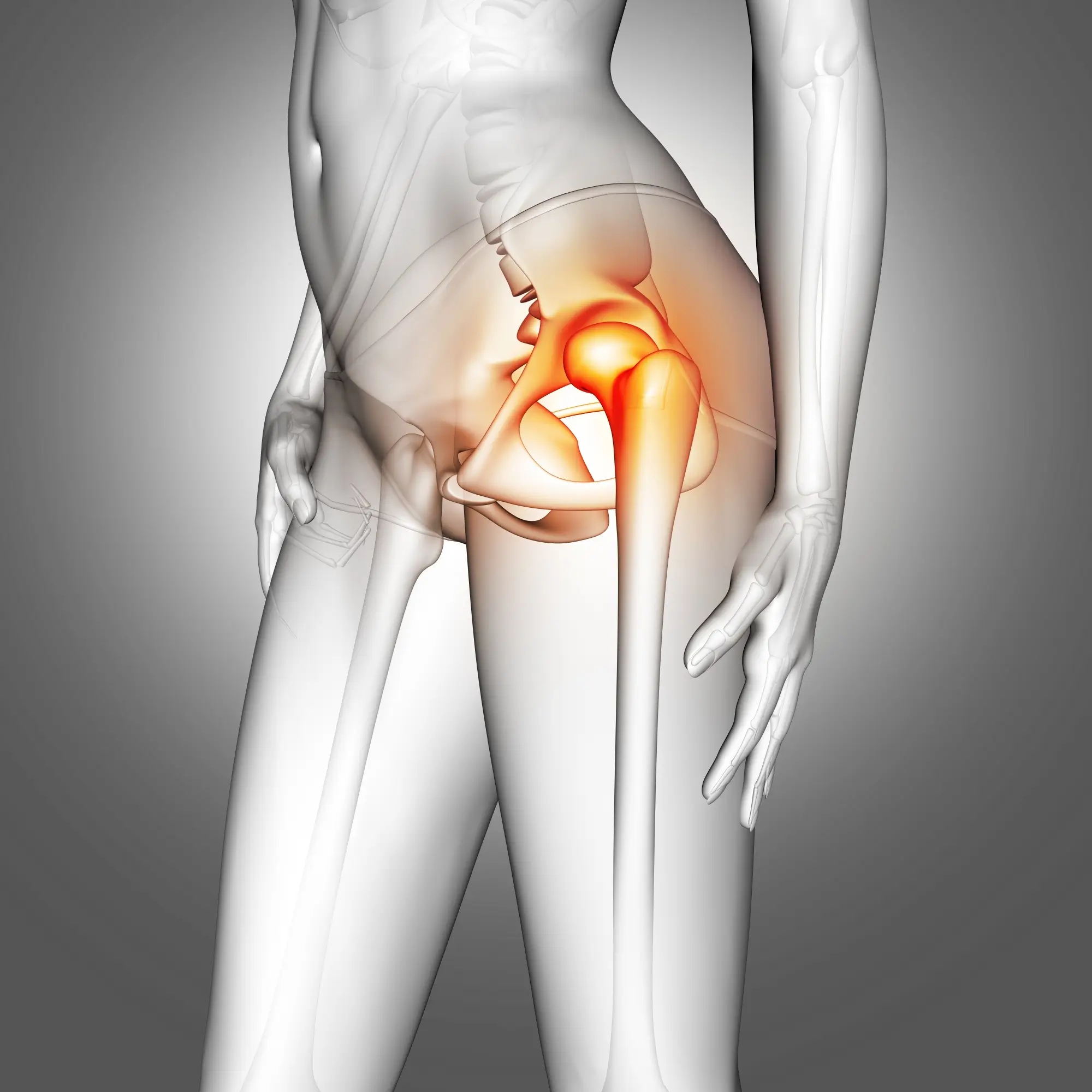
Stem cell therapy is particularly effective for orthopedic conditions characterized by tissue damage. It is commonly used in cases of osteoarthritis of the knee, hip, or shoulder to slow cartilage degradation and reduce pain. It is also preferred to accelerate recovery from ligament and tendon injuries common among athletes. Meniscus tears, muscle injuries, and tendon damage are among the most common indications. Furthermore, this treatment may be beneficial for chronic pain that is resistant to conventional treatments. It offers an attractive alternative when surgery is not necessary or poses risks. However, in cases of advanced deformities or significant tissue loss, it may not be sufficient on its own. Appropriate selection of indications is therefore essential.
How are stem cells obtained?
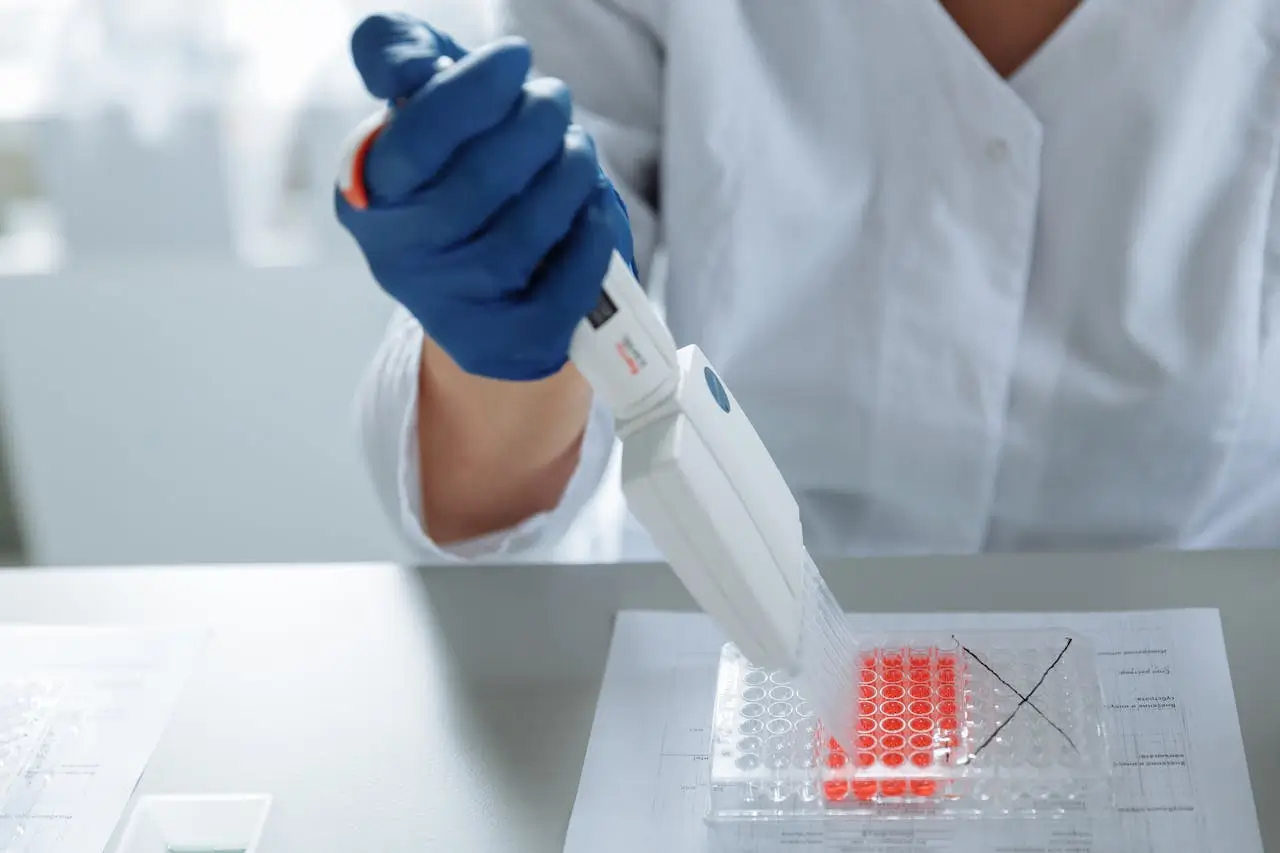
Stem cells are generally harvested directly from the patient, which enhances the safety of the treatment. The most common sources are bone marrow and adipose tissue. Bone marrow is often harvested from the iliac crest using specialized needles, while cells derived from adipose tissue are obtained through a procedure similar to liposuction. These procedures are performed under sterile conditions, typically under local anesthesia. Once harvested, the cells are processed in a laboratory to be isolated and concentrated. This process helps preserve their viability and effectiveness. The prepared cells are then injected into the target area to promote the regeneration of damaged tissues. Each step is performed with precision to optimize treatment outcomes.
Difference between PRP and stem cells
PRP and stem cell therapy are two biological approaches that are often confused but distinct. PRP involves using the patient’s own platelet-rich plasma, which contains growth factors that promote healing. However, it does not allow for the formation of new cells. In contrast, stem cells have the ability to transform into different cell types, directly contributing to tissue regeneration. Their effect is therefore more profound and potentially more long-lasting. PRP is generally used for superficial injuries, while stem cells are preferred in more complex cases.
Treatment Planning
Treatment Stages
01
Application
It begins with you communicating your complaints and medical reports through the contact channels on our website (contact form, email, WhatsApp, call center, etc.).
02
Medical Evaluation and Planning
Your files reviewed by expert doctors are presented to you with the most appropriate treatment and pricing plan.
03
Arrival in Turkey
After you approve your treatment, you will be welcomed at the airport and all necessary information will be provided to you. Your treatment and transfers are planned by us from start to finish.
04
Departure from Turkey
When you are discharged, your medical reports will also be delivered to you in your native language. After you return to your country, your health monitoring will continue, and online consultations with your doctor will be organized if needed.
Stem Cell Treatment in Turkey
Turkey is one of the most advanced countries in the field of stem cell therapy, thanks to its modern medical infrastructure, high-tech laboratories, and specialized teams. Orthopedic stem cell treatments are performed there according to high international standards, ensuring reliable results and safe care. In this context, Kanalar Health Tourism professionally manages the entire medical journey for patients, from the initial evaluation through treatment planning to post-treatment follow-up. All aspects, including coordination with healthcare facilities, accommodation, and transfers, are meticulously managed to ensure a seamless, transparent, and comfortable experience, allowing patients to benefit from the best medical solutions in Turkey.
Get Answers
Frequently Asked Questions About Stem Cell Treatment
The first effects may be felt after a few weeks, with optimal results visible within a few months.
The results can be long-lasting, but depend on lifestyle and the progression of the disease.
Most patients can resume their activities within a few days.
Yes, it can be repeated based on the doctor’s recommendation.
It is generally well-tolerated and performed under local anesthesia, with minimal discomfort.