Limb Lengthening Surgery in Turkey in 2026 - Kanalar Health Tourism
Limb lengthening surgery is an advanced technique used to increase height and correct limb length discrepancies with precision and safe monitoring.
Basic Information About Limb Lengthening Surgery:
Procedure Time: 3-4 Hours
Time to Return to Normal Life: 6–12 months
Hospital Stay Duration: 5–7 nights
Full Recovery Time: 9–12 months
Mobility Time: 2–3 weeks
Expected Results: 5–15 cm increase in height
What is limb lengthening surgery?
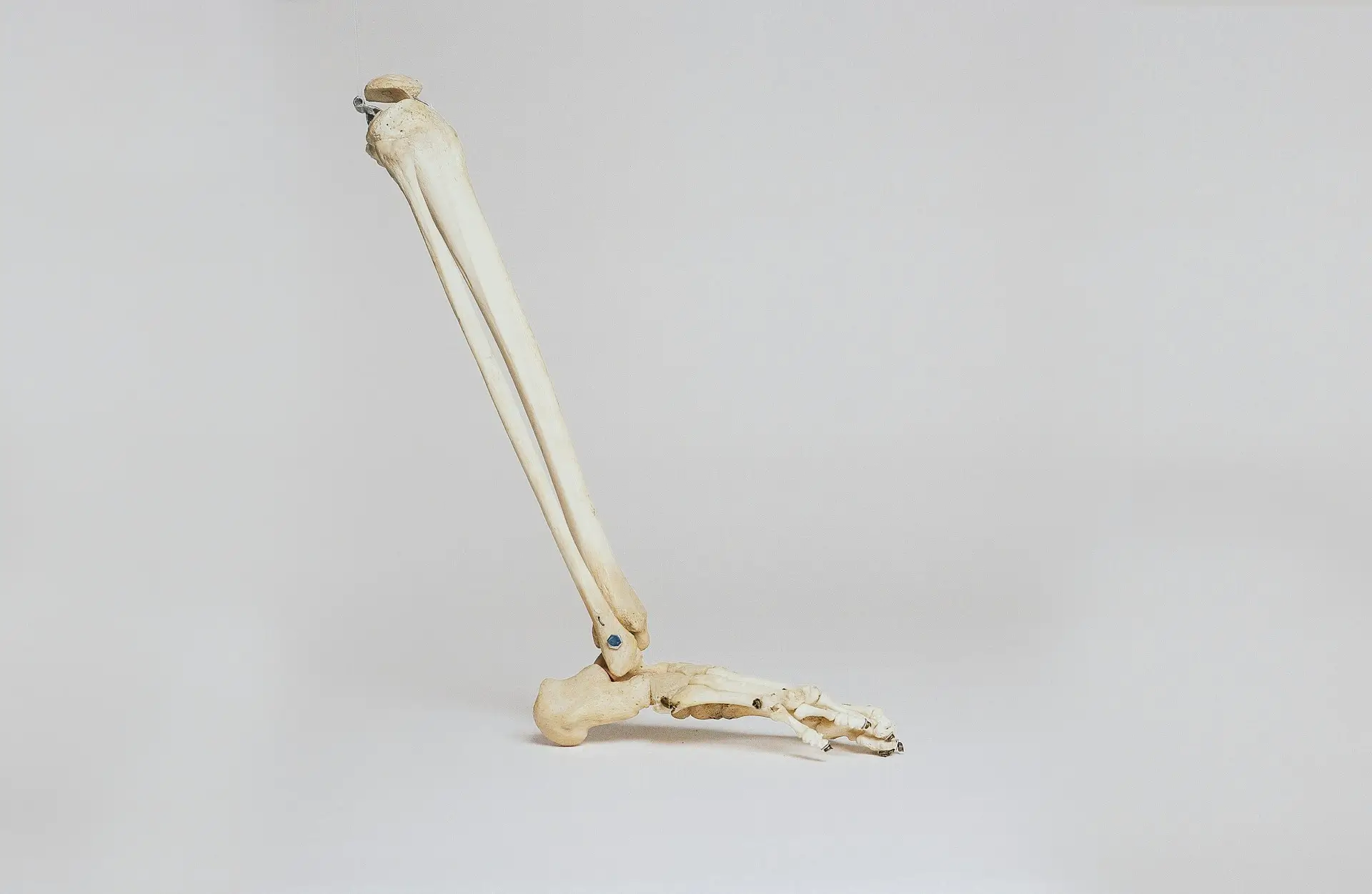
Limb lengthening surgery is an advanced orthopedic technique based on the principle of controlled bone distraction, allowing new bone to form between two bone segments that are gradually separated. During this procedure, an osteotomy is performed, followed by the use of specialized devices to gradually and evenly separate the bone ends by millimeters. This process stimulates the body’s natural regenerative mechanisms. However, lengthening does not affect only the bone: muscles, ligaments, nerves, and blood vessels must also adapt to this new length. It is therefore a comprehensive therapeutic process requiring discipline and rigorous follow-up. Although this surgery is often perceived as cosmetic, it is also indicated for medical reasons. It is used in particular in cases of lower limb length discrepancy, congenital malformations, or post-traumatic deformities. In a cosmetic context, a thorough assessment of the patient’s expectations, psychological state, and physical condition is essential. This process requires not only good physical fitness but also great mental resilience, as it involves a long and demanding recovery period.
Who is limb lengthening surgery intended for?
Limb lengthening surgery is intended for patients with specific medical or aesthetic indications. Medically, it is particularly recommended for individuals with a significant difference in leg length, bone growth disorders, or sequelae of trauma that have led to deformity. In these cases, the procedure improves not only appearance but also walking balance, posture, and joint health. It also helps prevent long-term complications in the knees, hips, and back. From a cosmetic perspective, patient selection is based on strict criteria. The patient must be in good general health, have completed bone growth, and not have any severe chronic conditions. It is also essential that they understand the duration and demands of the treatment. Patients with unrealistic expectations or insufficient psychological preparation are not suitable candidates. A rigorous evaluation is therefore essential to ensure the success of the procedure.
Price of Limb Lengthening Surgery
The price of limb lengthening surgery in Turkey with Kanalar Health Tourism varies according to the technique used (external fixator, intramedullary nail, or combined method), the number of bone segments treated, and the targeted lengthening goal. The overall budget generally ranges between 15.000 EURO and 22.000 EURO, including the preoperative assessment, the procedure, hospitalization, transfers, accommodation, as well as follow-up during the consolidation phase. To obtain a quote tailored to your project, get in touch with the Kanalar Health Tourism team.
Reach Out to Us
GET ADVICE NOW
How many centimeters can be gained?
The increase in height depends on many factors, including bone quality and the chosen protocol. In general, a lengthening of 5 to 8 cm per bone segment is considered safe. When multiple segments are treated, a total gain of 10 to 15 cm may be possible. However, these figures vary by patient. The primary goal is not to achieve maximum lengthening, but to ensure a harmonious and functional result. Excessive lengthening can lead to complications involving muscles and nerves. It is therefore essential to prioritize a gradual and safe approach.
Limb Lengthening Methods
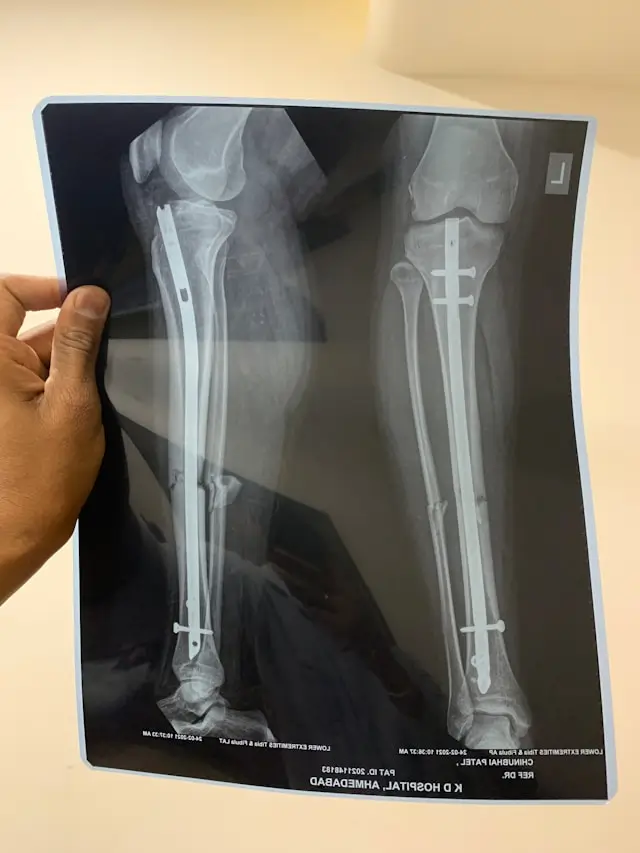
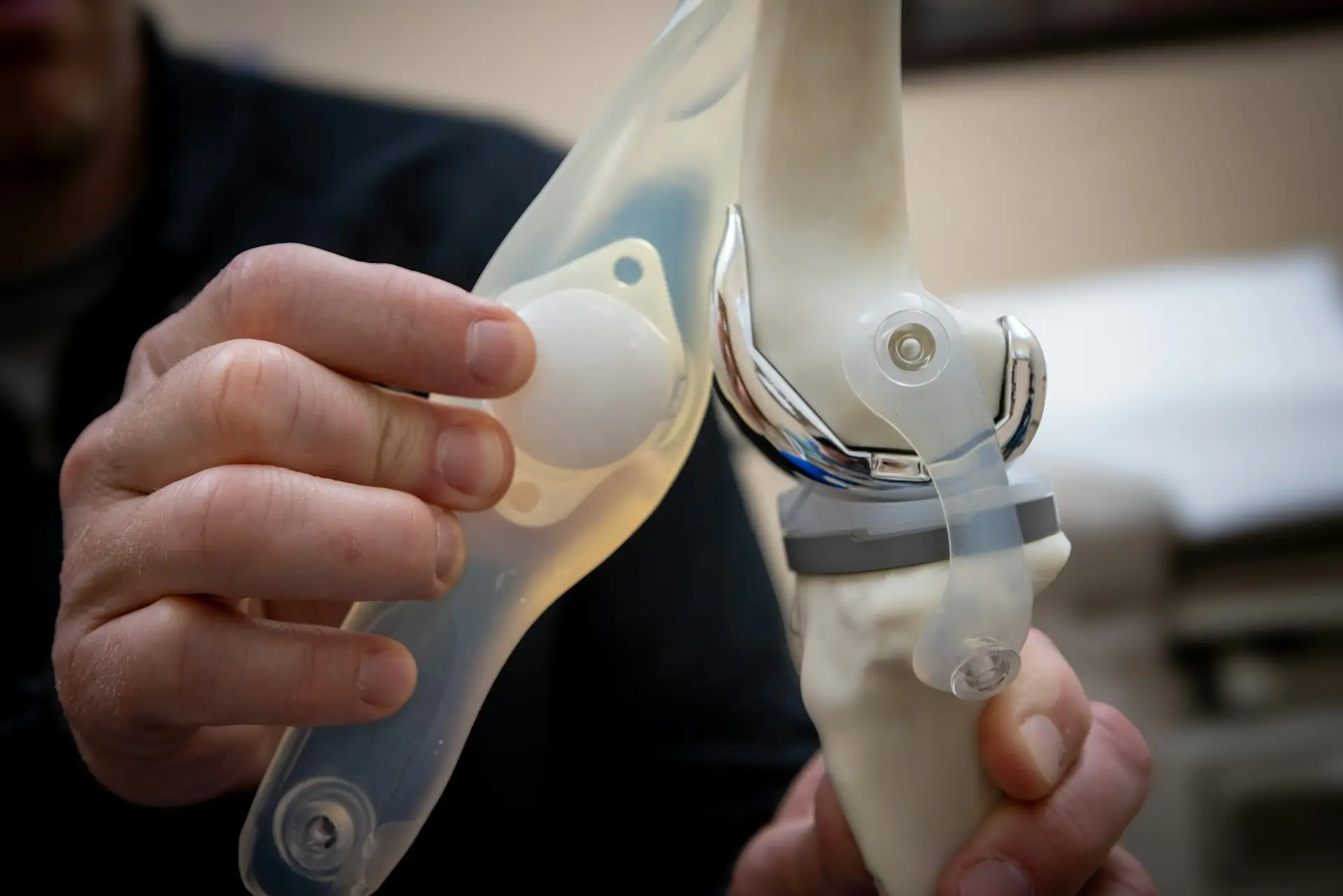
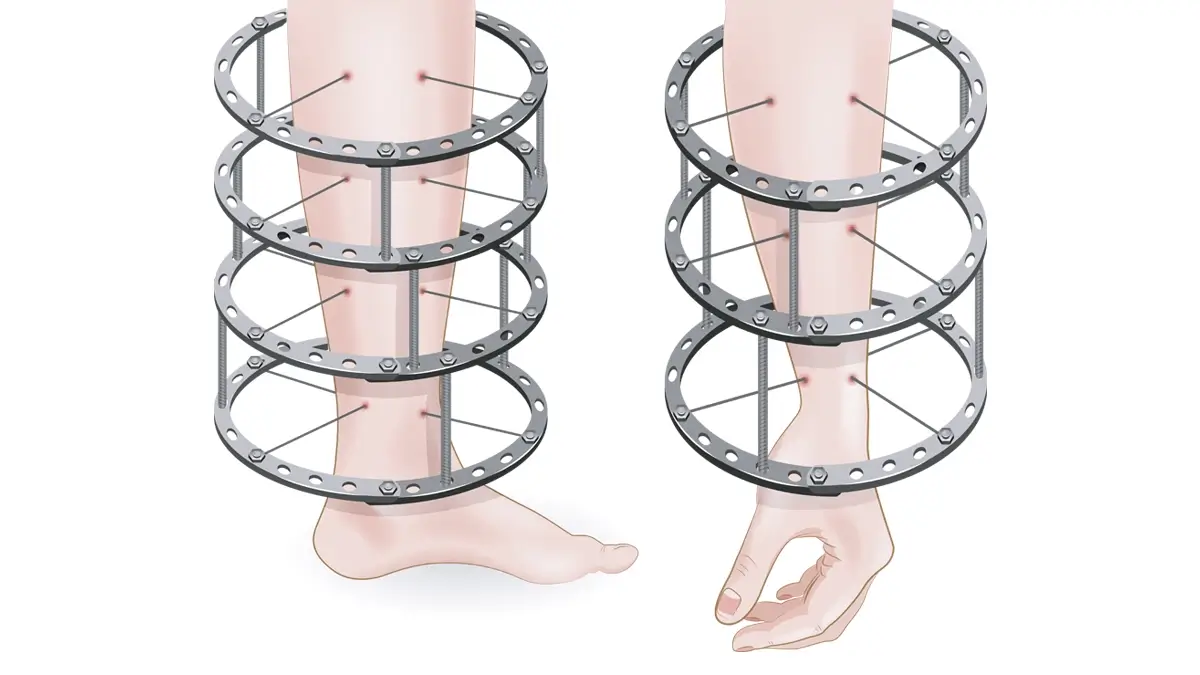
Limb lengthening surgery can be performed using various techniques, each with its own advantages and limitations. The choice depends on the patient’s bone structure, the lengthening goal, and lifestyle. Ilizarov method: a classic technique using a circular external fixator. It is reliable but can be uncomfortable due to the external device. Unilateral fixators: external devices that are simpler and more comfortable than the Ilizarov system, but with more limited indications. Intramedullary nail (internal method): a modern technique in which an extendable nail is placed inside the bone. It offers greater comfort and a superior aesthetic result. Combined methods: a combination of internal and external techniques to optimize the precision and speed of the process. The choice of method depends not only on the desired increase in height but also on the patient’s ability to follow the treatment and adapt to the rehabilitation process.
Preoperative evaluation and planning
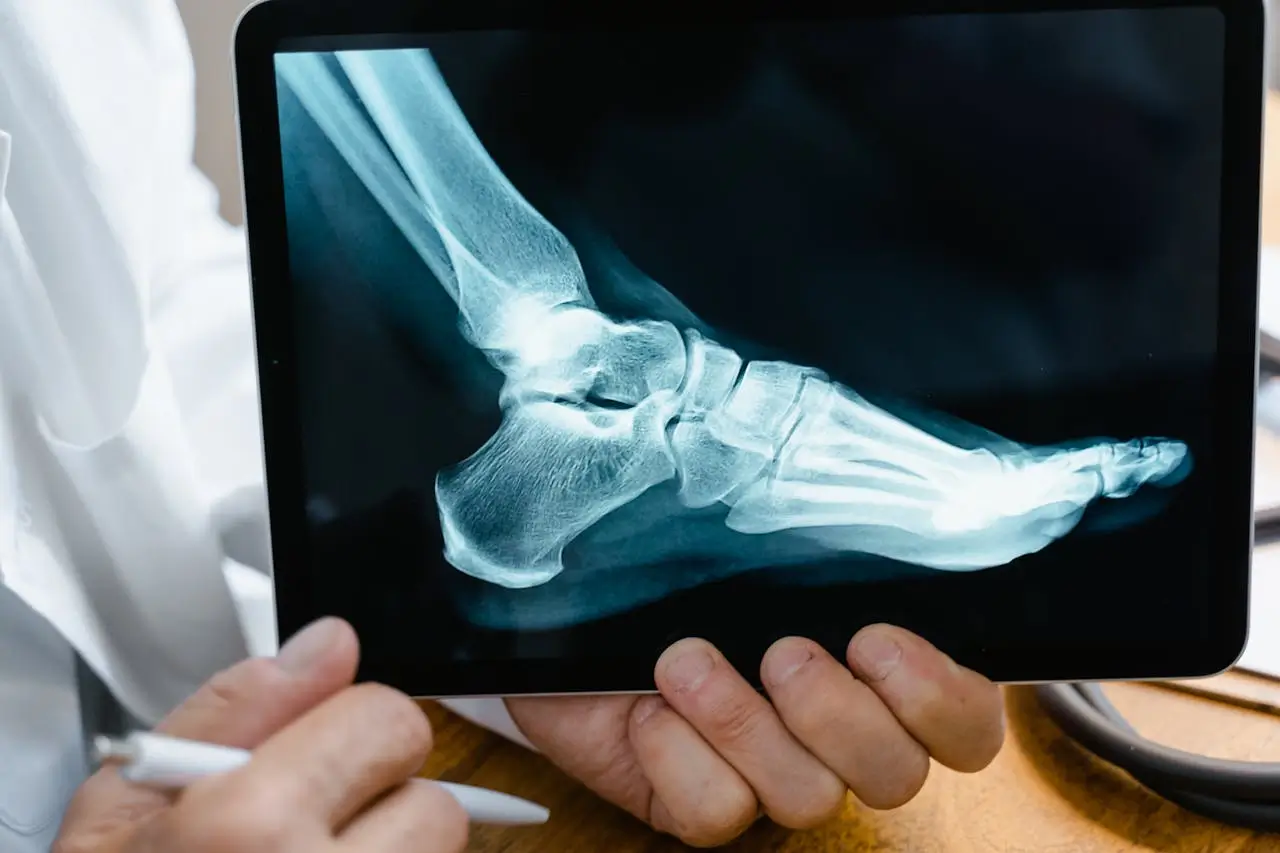
Before the procedure, a comprehensive medical evaluation is conducted. It includes an analysis of bone structure, joint health, muscle flexibility, and overall physical condition. Imaging studies allow for precise planning of the procedure: selection of the bone to be lengthened, the amount of lengthening, and the technique used. This step is crucial, as it directly determines the success of the surgery. Psychological evaluation is also essential. The patient must be fully informed about the different stages of treatment, the constraints, and the potential risks. Proper mental preparation improves adherence to treatment and reduces complications related to non-compliance. Rigorous planning is the foundation of an optimal outcome.
How is the lengthening surgery performed?
The procedure is performed under general anesthesia. The surgeon performs a controlled osteotomy, then places the selected lengthening device. After a few days, the distraction phase begins: the bone segments are gradually separated by approximately 1 mm per day. This rate allows for the formation of new, strong, and functional bone. The postoperative phase is critical. The patient must follow a strict rehabilitation program and attend regular follow-up appointments. Once the lengthening is complete, a consolidation phase is necessary to allow the new bone to fully harden. Adherence to all stages guarantees lasting and satisfactory results.
Recovery and Rehabilitation
The recovery phase is just as important as the procedure itself. Physical therapy plays a central role in maintaining joint mobility, preventing stiffness, and strengthening muscles. Active patient participation is essential to avoid complications and optimize results. The recovery period generally ranges from several months to a year. Daily activities are gradually resumed under medical supervision. Strict discipline and regular follow-up ensure a complete and lasting recovery.
Treatment Planning
Treatment Stages
01
Application
It begins with you communicating your complaints and medical reports through the contact channels on our website (contact form, email, WhatsApp, call center, etc.).
02
Medical Evaluation and Planning
Your files reviewed by expert doctors are presented to you with the most appropriate treatment and pricing plan.
03
Arrival in Turkey
After you approve your treatment, you will be welcomed at the airport and all necessary information will be provided to you. Your treatment and transfers are planned by us from start to finish.
04
Departure from Turkey
When you are discharged, your medical reports will also be delivered to you in your native language. After you return to your country, your health monitoring will continue, and online consultations with your doctor will be organized if needed.
Limb Lengthening Surgery in Turkey
Turkey has become a leading destination for limb lengthening surgery thanks to its medical expertise, innovative techniques, and high-quality healthcare facilities. This procedure, which increases height or corrects limb length discrepancies, is performed using modern methods that ensure precision, safety, and comfort throughout the process. In this context, Kanalar Health Tourism provides comprehensive care for international patients by organizing every stage of treatment, from medical record review to surgical planning and post-operative follow-up. The entire process is professionally structured, including medical coordination, accommodation, and transfers, to ensure a smooth and reassuring experience. The goal is to offer a transparent and reliable service that allows patients to benefit from the best medical solutions in Turkey under optimal conditions.
Get answers
Frequently asked questions about limb lengthening surgery
With modern techniques, scars are minimal and fade over time.
Some discomfort may occur at first, but it gradually subsides as the body adjusts.
Maintaining a healthy weight is recommended to aid recovery.
No, it is possible to gradually resume physical activity under medical supervision.
With appropriate rehabilitation, most patients regain normal walking ability.