Cardiology Treatments in Turkey 2026 - Kanalar Health Tourism
Cardiology treatments in Turkey offer modern solutions for heart diseases. Kanalar Health Tourism accompanies patients throughout this process.
What is cardiology?
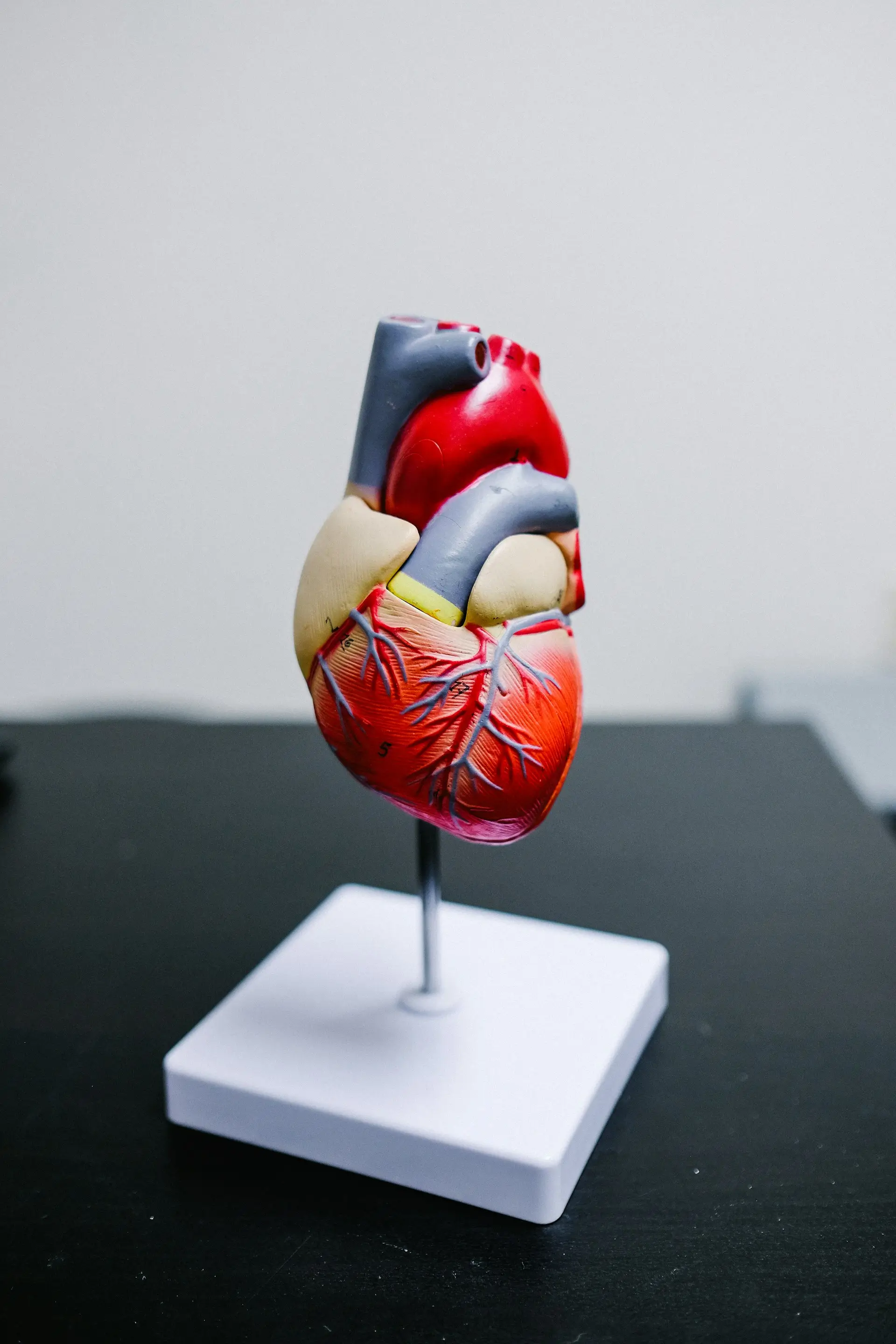
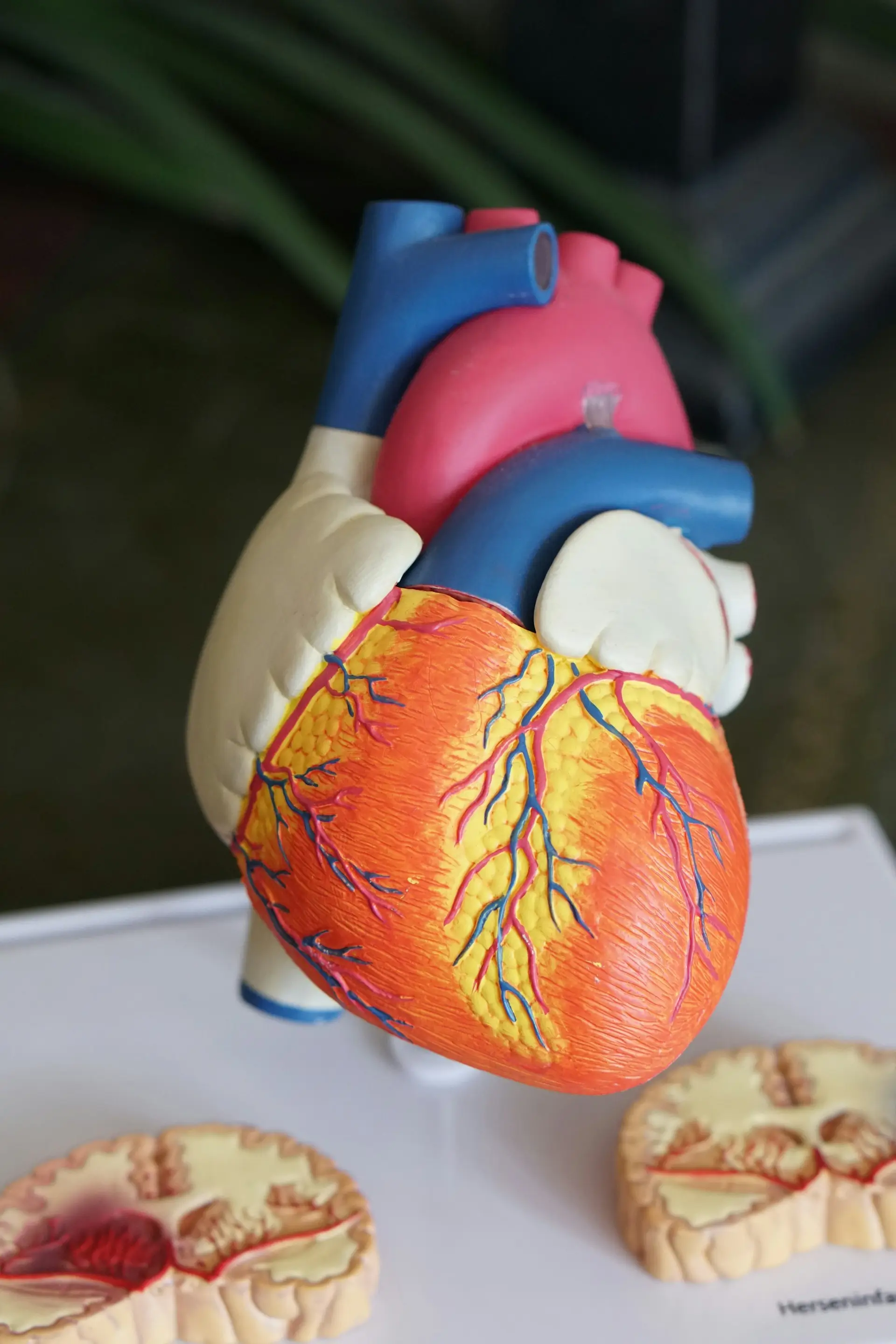
Cardiology is one of the fundamental medical disciplines concerned with the diagnosis, treatment, and follow-up of heart and circulatory system diseases. The structural characteristics of the heart, its rhythm, muscle function, and its relationship with the vascular system are the main subjects of this specialty. Since the heart is a vital organ that pumps blood to all organs, cardiology is considered a medical field that has a direct impact on quality of life and life expectancy. Cardiology is not limited to the treatment of existing diseases but also includes the identification of risk factors and preventive approaches. Thanks to regular follow-up and appropriate evaluation can prevent the progression of many heart diseases. While heart diseases may present with obvious symptoms in some individuals, in other cases they can progress silently for a long time. Therefore, cardiology plays an important role in early diagnosis and regular follow-up. Age, genetic predisposition, lifestyle, and related diseases directly affect cardiovascular risks. The fundamental goal of cardiology is ensure proper heart function, detect potential risks early, and enable patients to safely maintain their daily lives.
What diseases does cardiology treat?
Cardiology treats a wide variety of diseases affecting the heart and vascular system. These diseases range from congenital structural anomalies to acquired diseases that occur in later life. Coronary artery disease: Results from narrowing or blockage of the arteries that supply blood to the heart. Heart rhythm disorders: Irregularities in heart rhythm that can cause palpitations. Heart failure: The heart is unable to pump enough blood to meet the body's needs. Heart Valve diseases: Valve stenosis or insufficiency. Hypertension: Uncontrolled high blood pressure places a significant burden on the heart. Congenital heart diseases: Structural abnormalities present from birth. Heart muscle diseases (cardiomyopathies) : Affect the structure and strength of the heart muscle. Each of these diseases requires specific diagnostic and treatment approaches, and regular cardiological follow-up is very important.
Reach Out to Us
GET ADVICE NOW
When is a cardiology consultation necessary?
A cardiology consultation is recommended when symptoms related to the heart appear. Chest pain, shortness of breath, palpitations, fatigue, or unusual tiredness may be signs of an underlying heart disease. Sometimes perceived as insignificant or temporary, these symptoms can be early signs of serious diseases. Chest pain and shortness of breath during exertion always require cardiological evaluation. Individuals with a family history of heart disease should also undergo regular check-ups. During the examination, the patient's medical history is reviewed in detail, and necessary tests are planned. Early diagnosis allows the disease to be controlled before it progresses.
What tests are performed in cardiology?
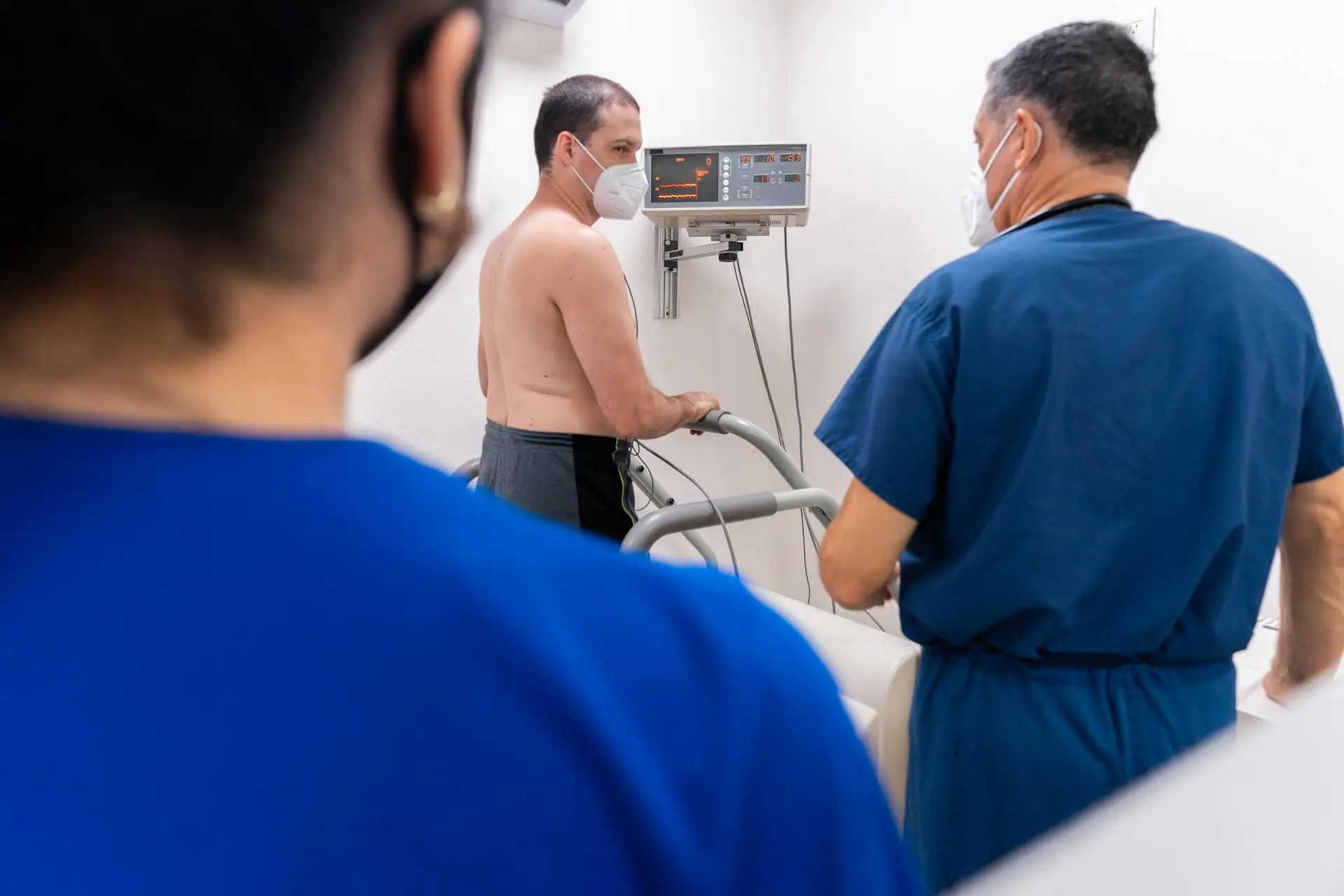
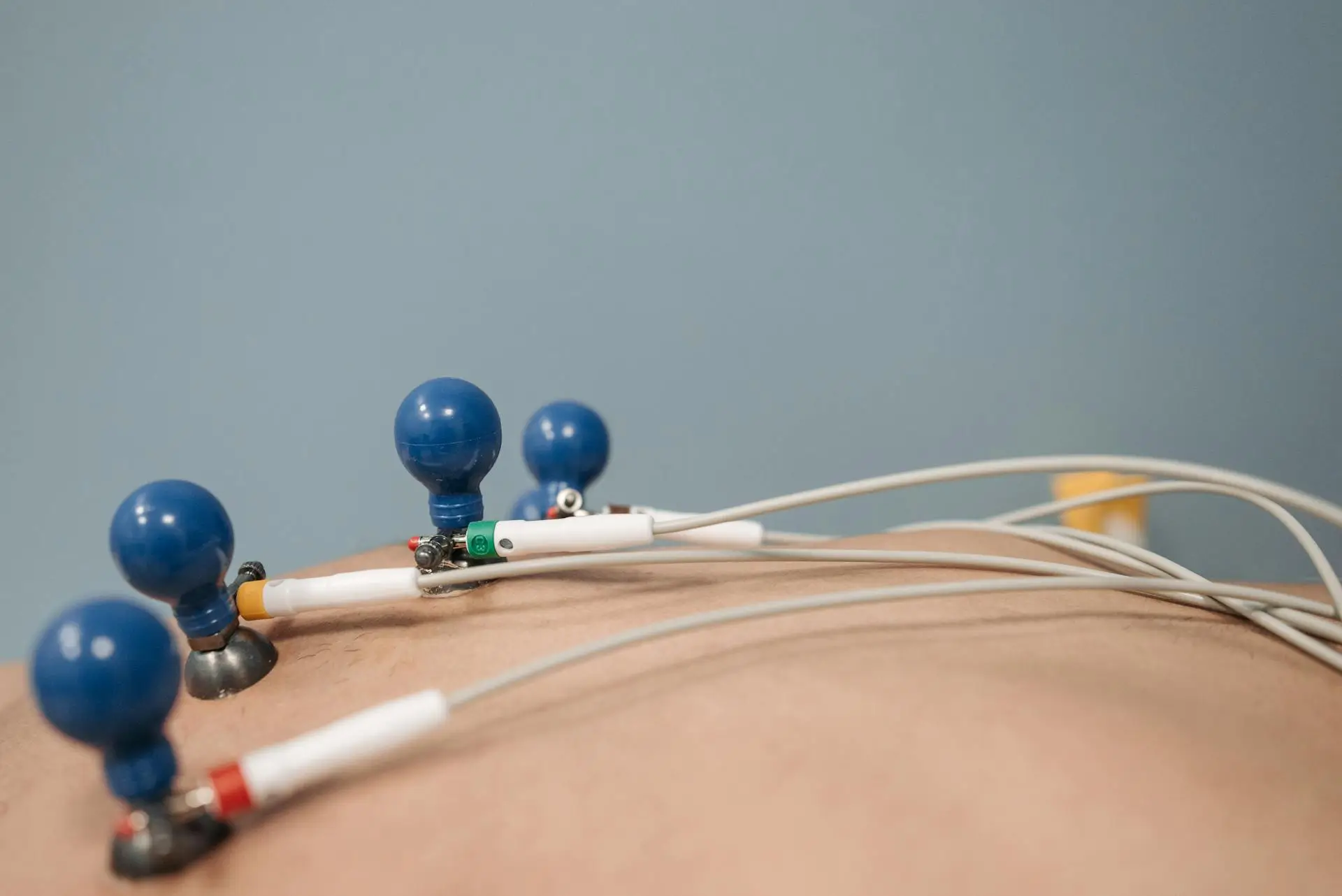
Tests performed in cardiology are designed to evaluate the structure, function, and rhythm of the heart in detail. These tests are planned according to the patient's symptoms and risk factors. An electrocardiogram (ECG) analyzes the heart's electrical activity, while echocardiography provides accurate information about the heart muscle, valves, and pumping function. An exercise test is used to observe the heart's functioning under physical exertion. Cardiac Holter monitoring allows for long-term monitoring of rhythm disorders . In some cases, advanced imaging techniques may be required. These examinations enable a definitive diagnosis to be made and appropriate treatment to be administered.
What are the most common symptoms of heart disease?
The symptoms of heart disease can vary from person to person and may sometimes appear vague. The most common symptoms include chest pain, shortness of breath, and palpitations. Chest pain that increases with exertion is more likely to be heart-related. Shortness of breath may be related to a decrease in the heart's ability to effectively circulate blood. Palpitations are usually heart rhythm disorders. Other symptoms such as dizziness, fainting, lower extremity edema, and excessive fatigue may also be signs of cardiovascular disease. It is very important not to ignore these symptoms and to seek medical evaluation in a timely manner.
How often should cardiac follow-up be performed?
The frequency of cardiac follow-up depends on the patient's overall health and risk factors. Regular and scheduled check-ups are essential for individuals diagnosed with heart disease. Patients with additional risk factors such as hypertension, diabetes, or hypercholesterolemia should be monitored more frequently. For healthy individuals, periodic check-ups are recommended based on age and lifestyle. Regular follow-up is important to evaluate the effectiveness of treatment and detect potential complications early. Cardiological follow-up also plays .
The importance of early diagnosis in cardiology
Early diagnosis is one of the most decisive factors in the treatment of heart disease. Detecting diseases at an early stage enables simpler and more effective treatments. Thanks to early diagnosis, the risk of myocardial infarction, heart failure, and sudden cardiac events can be significantly reduced. Treatment started in a timely manner also contributes to preventing structural and functional damage to the heart. Regular check-ups and conscious follow-up play a fundamental role in maintaining cardiovascular health. This approach permanently improves quality of life and life expectancy.
Treatment Planning
Treatment Stages
01
Application
It begins with you communicating your complaints and medical reports through the contact channels on our website (contact form, email, WhatsApp, call center, etc.).
02
Medical Evaluation and Planning
Your files reviewed by expert doctors are presented to you with the most appropriate treatment and pricing plan.
03
Arrival in Turkey
After you approve your treatment, you will be welcomed at the airport and all necessary information will be provided to you. Your treatment and transfers are planned by us from start to finish.
04
Departure from Turkey
When you are discharged, your medical reports will also be delivered to you in your native language. After you return to your country, your health monitoring will continue, and online consultations with your doctor will be organized if needed.
Cardiology treatments in Turkey
Turkey, is among the most preferred countries in the field of cardiology with its advanced medical infrastructure, modern diagnostic technologies, and experienced healthcare teams. The integrated execution of diagnosis, treatment, and follow-up processes is a significant advantage for patients. Examinations performed in centers equipped with the latest technology offer fast and reliable diagnosis. The multidisciplinary approach applied, especially in complex cases, contributes to improving treatment outcomes In this context, Kanalar Health Tourism supports individuals considering cardiology treatment in organizing the treatment process. Planning the diagnostic phase, selecting appropriate medical centers, and coordinating treatment are integral parts of this process. The goal is to to ensure that patients undergo their treatment in a safe, controlled, and structured manner. Kanalar Health Tourism aims to provide a transparent and well-organized treatment experience in the field of cardiology.
Get answers
Frequently asked questions about cardiology
No, the examination and most tests are painless.
No, but they should always be evaluated.
Some can be controlled and remain stable in the long term.
Anyone with risk factors is affected by this condition.
Some can progress without showing any noticeable symptoms for a long time.