Gynecological Treatments in Turkey 2026 - Kanalar Health Tourism
Gynecological treatments in Turkey cover diagnosis, follow-up, and interventions related to women's health. Kanalar Health Tourism accompanies its patients.
Gynecology
Gynecology is a fundamental medical specialty dedicated to the diagnosis, treatment, and follow-up of disorders of the female reproductive system. This field covers health issues related to the uterus, ovaries, fallopian tubes, vagina, and external genitalia, playing a crucial role in maintaining women's health throughout their lives. Gynecological diseases can affect not only reproductive health, but also affect hormonal balance, quality of life, and overall health. Gynecology adopts a comprehensive approach that includes treating symptoms and prevention through regular check-ups. With early diagnosis and appropriate follow-up, many issues can be managed before they become more complex. Some gynecological conditions in women present with noticeable symptoms, while others may progress silently for a long time. Menstrual cycle disorders, pelvic pain, pain during sexual intercourse, abnormal bleeding, or unusual vaginal discharge can be signs of benign disorders as well as more serious pathologies. The fundamental goal of gynecology is to accurately assess these symptoms, determine the underlying cause, and develop a treatment plan tailored to each patient . During this process, age, lifestyle, fertility plans, and overall health status are evaluated holistically.
What conditions does gynecology treat?
Gynecology treats a wide variety of conditions related to the female reproductive system. These conditions can arise at different ages, from adolescence to menopause, and each life stage has its own specific follow-up requirements. Menstrual disorders and hormonal imbalances are among the most common problems; in some patients these particularly affect quality of life, while in others they require more detailed evaluation. Ovarian cysts, uterine fibroids, and endometriosis are among the structural abnormalities that can cause pain, abnormal bleeding, and fertility issues. Vaginal infections, recurrent discharge, and certain urinary complaints also require gynecological evaluation. Additionally, cervical diseases and some gynecological cancers require regular check-ups for early detection. Each condition can be treated more safely and effectively with the right diagnosis and a personalized approach.
Reach Out to Us
GET ADVICE NOW
Diagnostic methods in gynecology
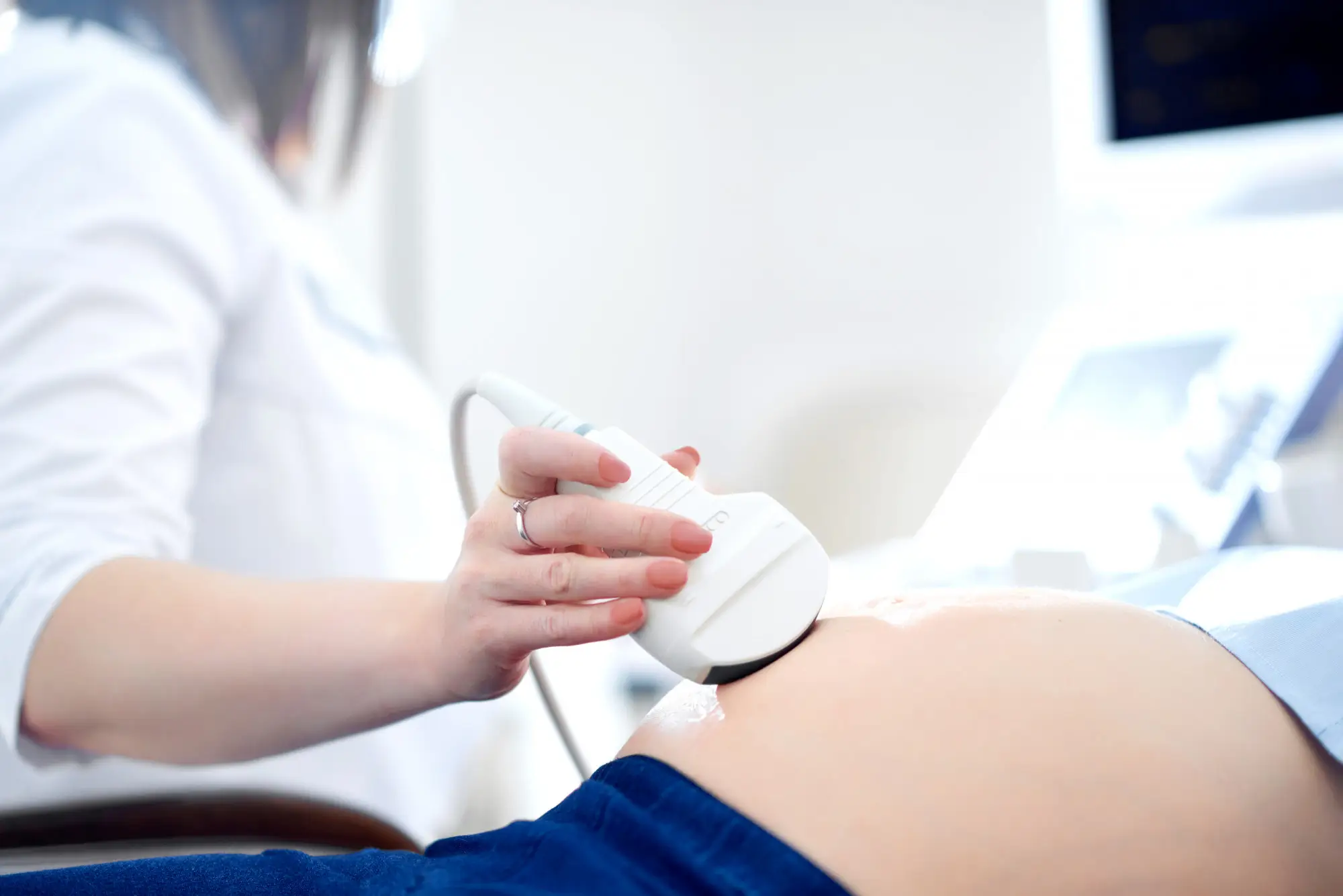
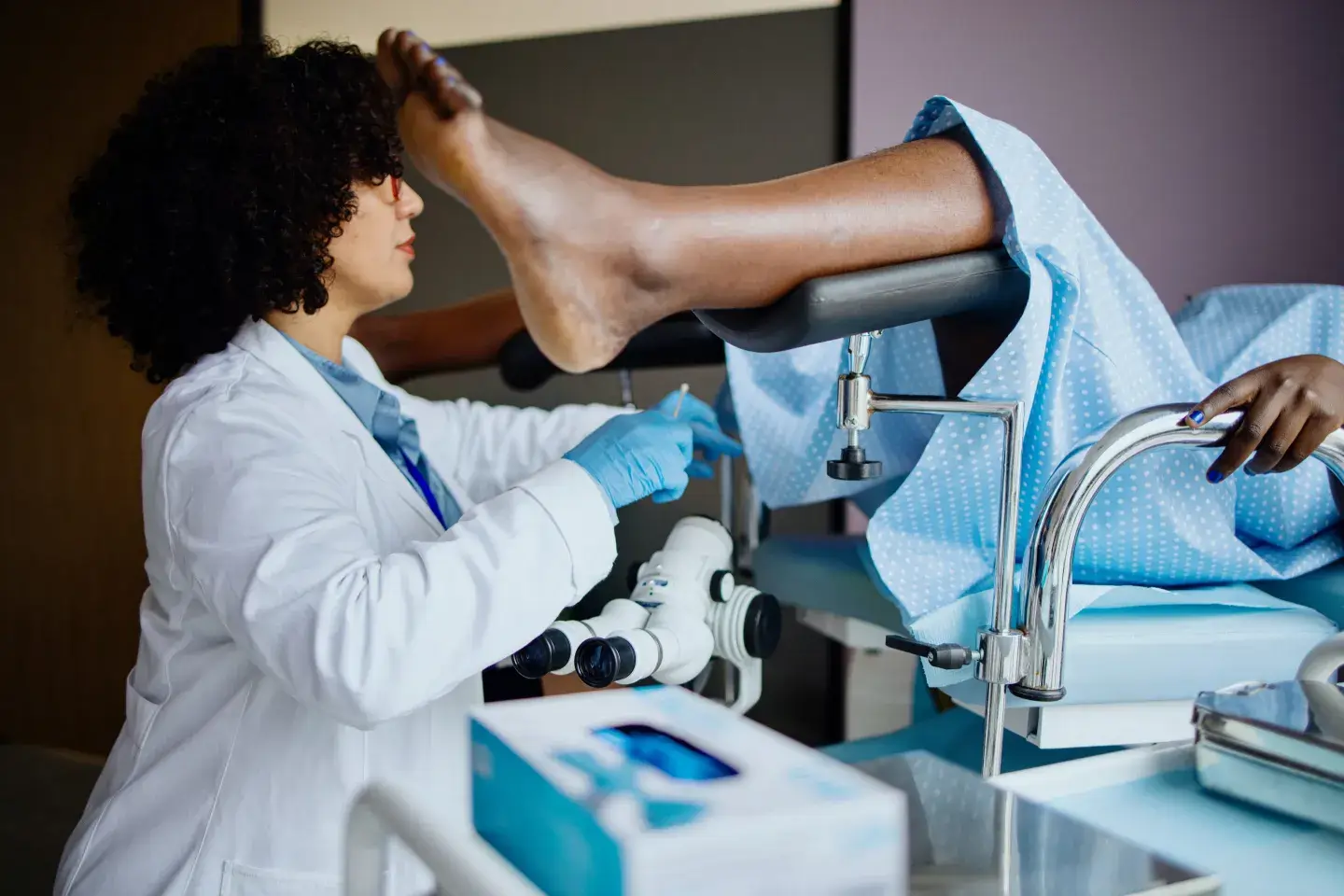
Diagnostic methods in gynecology are planned by combining the patient's complaints, clinical examination results, and necessary additional tests. The first step is a detailed medical history, including the menstrual cycle, presence of pain, bleeding pattern, obstetric history, and possible chronic diseases. The gynecological examination then guides the diagnosis related to the uterus and ovaries. Among imaging methods, ultrasonography plays a central role as it provides detailed information about cysts, fibroids, and intrauterine structures. Screening tests such as the cervical smear test help in the early diagnosis of cell abnormalities in the cervix. If necessary, hormone analyses, infection tests, and other laboratory tests may be requested. The goal of the diagnostic process is to definitively determine the cause of the symptoms and base treatment on solid foundations.
When should a gynecological examination be performed?
A gynecological examination should be performed not only when symptoms are present, but also as part of prevention and regular follow-up. Conditions that require examination include cycle irregularities, prolonged or excessive bleeding, bleeding between periods, pelvic pain, pain during sexual intercourse, or foul-smelling discharge. For women who wish to become pregnant, a pre-pregnancy is important for the safety of future pregnancies and the mother's health. During menopause, hormonal changes and uterine bleeding should be evaluated with special attention. Regular check-ups, including Pap smears, play an important role in the early diagnosis of certain diseases. Delaying an examination can, in some cases, delay diagnosis and treatment and make treatment more complicated. Therefore, it is recommended that gynecological checkups be planned according to age, risk factors, and symptoms.
Treatment methods in gynecology
Treatment methods in gynecology are personalized according to the source of the problem and the patient's specific needs. While some conditions can be controlled with medication and lifestyle changes, others require interventional or surgical approaches. Treatment decisions are made taking into account the patient's age, fertility plans, the severity of symptoms, and related pathologies. The goal is not only to alleviate symptoms but also to reduce the risk of recurrence and maintain long-term health balance. Medication treatments: used to control infections, hormonal imbalances, and certain types of pain. Hormonal approaches: indicated for menstrual cycle disorders, cyst treatment, or certain bleeding problems. Interventional procedures: performed for diagnostic or treatment purposes. Surgical methods: considered when necessary for fibroids, cysts, or structural abnormalities. Follow-up and monitoring programs: recommended to provide safe treatment for small cysts or mild abnormalities.
How are ovarian cysts and uterine fibroids treated?
Ovarian cysts and uterine fibroids are among the most common structural problems in gynecology, and not all require the same treatment approach. Some cysts are functional and may disappear on their own over time; in these cases, regular ultrasound monitoring may be sufficient. However, an increase in size, pain, or suspicious characteristics may require more detailed investigations. Fibroids, which are benign tumors of the uterine muscle, may be asymptomatic or may cause excessive bleeding, anemia, pelvic pain, or a feeling of pressure. The treatment plan depends on the location and size of the fibroid and the patient's pregnancy plans. In some cases, drug treatment and control of bleeding are preferred, while in other cases surgical intervention may be necessary. Regular follow-up ensures that the appropriate treatment is administered at the right time and using the most suitable method.
When do vaginal infections and discharge become a serious problem?
Vaginal infections and discharge are common in women; however, not all discharge is considered normal, and some symptoms should be taken seriously. The color, odor, consistency, and associated symptoms are key elements of the assessment. An unpleasant odor, itching, burning, pain during sexual intercourse, a burning sensation when urinating, or pelvic pain may indicate an infection. Recurrent infections may indicate an underlying problem that requires a detailed evaluation. In addition, bloody discharge, bleeding outside of menstruation, or postmenopausal bleeding should always be evaluated by a healthcare professional. Since different types of infections require specific treatments, an accurate diagnosis is very important. Appropriate treatment and follow-up reduce the risk of recurrence and significantly improve quality of life. Infertility is defined as despite regular, unprotected sexual intercourse. Gynecology plays a central role in the evaluation and treatment of infertility. The initial examination focuses on the regularity of menstrual cycles, ovulation, uterine structure, and patency of the fallopian tubes. Hormonal imbalances, ovulation disorders, or structural causes may contribute to infertility. Gynecological evaluation allows for the identification of these factors and the development of a treatment plan accordingly. Infertility treatment requires a personalized approach tailored to the couple's situation. requires a personalized approach tailored to the couple's situation. Proper planning, regular follow-up, and correct guidance directly affect the success of the treatment. Managing the process in a clear and structured manner helps couples get through this period more calmly, both medically and psychologically.
Treatment Planning
Treatment Stages
01
Application
It begins with you communicating your complaints and medical reports through the contact channels on our website (contact form, email, WhatsApp, call center, etc.).
02
Medical Evaluation and Planning
Your files reviewed by expert doctors are presented to you with the most appropriate treatment and pricing plan.
03
Arrival in Turkey
After you approve your treatment, you will be welcomed at the airport and all necessary information will be provided to you. Your treatment and transfers are planned by us from start to finish.
04
Departure from Turkey
When you are discharged, your medical reports will also be delivered to you in your native language. After you return to your country, your health monitoring will continue, and online consultations with your doctor will be organized if needed.
Gynecological treatments in Turkey
Thanks to its advanced medical infrastructure, modern diagnostic capabilities, and experienced medical teams, Turkey is among the most preferred countries in the field of gynecology. The planned management of all stages, from diagnosis to treatment and follow-up, is a significant advantage for patients. Up-to-date imaging technologies and laboratory infrastructure contribute to accurate diagnosis and safe treatment planning. In cases requiring long-term follow-up or structural treatment , a multidisciplinary approach ensures that the treatment process is managed more comprehensively. In this context, Kanalar Health Tourism supports individuals who wish to benefit from gynecological treatments by contributing to the organization of the process. Planning the diagnostic stages, identifying suitable healthcare facilities, and coordinating the treatment process form the basis of this approach. The goal is to ensure that patients undergo their treatment in a safe, controlled, and structured manner. Kanalar Health Tourism aims to provide a transparent and reliable treatment experience in the field of gynecology.
Get answers
Frequently asked questions about gynecology
It is usually brief and does not cause significant pain in most patients.
The frequency depends on each patient's age and risk factors.
No, many cysts can resolve on their own with observation.
No, but if there is odor, itching, or burning, it should be evaluated.
No, infertility should be evaluated at the couple level.